

Email us: info@yacht-supply24.com or fill our Feedback form.
You can also fill out the "Ask a question" form on the right or at the bottom of the page.
|
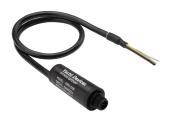
1-2 weeks delivery time The Yacht Devices YDPG-01N is a programmable marine gateway with an NMEA 2000 Micro Male connector, dual NMEA 0183 serial channels, CAN bus interface and USB Mini-B connection for custom data processing, filtering, protocol conversion and diagnostics. It runs MicroPython based on Python 3, provides a 16 MB internal disk for user programs and logs, supports USB 1.1/2.0, operates from 9–16 V via NMEA 2000 or can be powered from USB, and provides 2500 VRMS galvanic isolation between the NMEA 2000/USB side and NMEA 0183. The unit has a 450 mm NMEA 0183 cable, 54 mm case length and weighs 38 g. |
$ 289.89
-
+
|
|
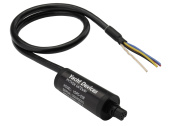
1-2 weeks delivery time The Yacht Devices YDPG-01R is a programmable marine gateway with a Raymarine SeaTalk NG-compatible connector, dual NMEA 0183 serial channels, CAN bus interface and USB Mini-B connection for custom data processing, filtering, protocol conversion and diagnostics. It runs MicroPython based on Python 3, provides a 16 MB internal disk for user programs and logs, supports USB 1.1/2.0, operates from 9–16 V via NMEA 2000 or from USB, and provides 2500 VRMS galvanic isolation between the NMEA 2000/USB side and NMEA 0183. The unit has a 450 mm NMEA 0183 cable, 54 mm case length and weighs 38 g. |
$ 289.89
-
+
|
|
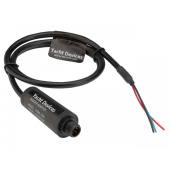
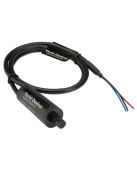
1-2 weeks delivery time The Yacht Devices YDRA-01N is an NMEA 2000 rudder angle adapter with a Micro Male connector, designed to integrate existing resistive or voltage-output rudder position sensors with compatible autopilots, chart plotters and marine instruments. It supports resistive sensors up to 400 Ohm, potentiometer-type sensors up to 5 kOhm with external supply, and angular transducers with 0–16 V output, while providing up to 7 calibration points and compensation for sensor-wire resistance. The adapter operates from 7–16 V, consumes 45 mA, provides 2500 VRMS galvanic isolation between the NMEA 2000 interface and sensor input, has an 800 mm cable, 54 mm case and weighs 50 g. |
$ 220.04
-
+
|
|
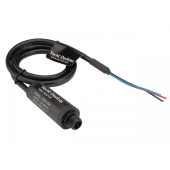
1-2 weeks delivery time The Yacht Devices YDRA-01R is an NMEA 2000 rudder angle adapter with a Raymarine SeaTalk NG-compatible connector, designed to integrate existing resistive or voltage-output rudder position sensors with compatible autopilots, chart plotters and marine instruments. It supports resistive sensors up to 400 Ohm, potentiometer-type sensors up to 5 kOhm with external supply, and angular transducers with 0–16 V output, while providing up to 7 calibration points and compensation for sensor-wire resistance. The adapter operates from 7–16 V, consumes 45 mA, provides 2500 VRMS galvanic isolation between the NMEA 2000 interface and sensor input, has an 800 mm cable, 54 mm case and weighs 50 g. |
$ 220.04
-
+
|
|
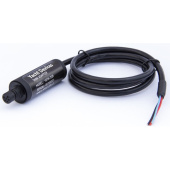
1-2 weeks delivery time The Yacht Devices YDTA-01N is an NMEA 2000 Tank Adapter with a Micro Male connector, designed to integrate existing resistive or voltage-output fluid level sensors with compatible chart plotters and marine instruments. It supports European 10–180 Ohm, American 240–33 Ohm and Japanese 0–310 Ohm senders, non-standard resistive sensors up to 400 Ohm, and voltage-output sensors from 0 to 16 V; it can also operate standalone, in parallel with 1- or 2-coil analog gauges, or alongside a Volvo Penta MDI unit. The adapter provides 12-point tank-shape calibration, operates from 7–16 V, consumes 45 mA, provides 2500 VRMS galvanic isolation, has an 800 mm sensor cable, 54 mm case and weighs 50 g. |
$ 220.04
-
+
|
|
1-2 weeks delivery time The Yacht Devices YDTA-01R is an NMEA 2000 Tank Adapter with a Raymarine SeaTalk NG-compatible connector, designed to integrate existing resistive or voltage-output fluid level sensors with chart plotters and marine instruments. It supports European 10–180 Ohm, American 240–33 Ohm and Japanese 0–310 Ohm sensors, non-standard resistive sensors up to 400 Ohm, and voltage-output sensors from 0 to 16 V; installation can be standalone, parallel with 1- or 2-coil analog gauges, or alongside a Volvo Penta MDI unit. The adapter provides 12-point tank-shape calibration, operates from 7–16 V, consumes 45 mA, provides 2500 VRMS galvanic isolation, has an 800 mm sensor cable, 54 mm case and weighs 50 g. |
$ 220.04
-
+
|
|
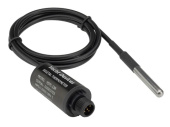
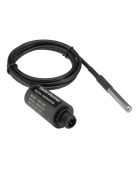
1-2 weeks delivery time The Yacht Devices YDTC-13N is a digital temperature sensor for NMEA 2000 networks, designed to measure gases and liquids from -55 to +125°C (-67 to +257°F). It uses an external sensor in a sealed stainless-steel sleeve on a 950 mm cable, which can be extended up to 100 m, and provides 0.01°C NMEA 2000 output resolution with a maximum error of ±0.5°C from -10 to +85°C and ±2°C outside that range. The unit operates from 7–16 V, consumes 24 mA, weighs 31 g and uses an NMEA 2000 Micro Male connector compatible with DeviceNet Micro Male and Garmin NMEA 2000 Male. |
$ 173.47
-
+
|
|
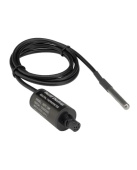
1-2 weeks delivery time The Yacht Devices YDTC-13NT is an NMEA 2000 digital thermometer with an integrated 120 Ohm network terminator, designed for precise measurement of gas and liquid temperatures from -55 to +125°C (-67 to +257°F). It uses an external sensor in a sealed stainless-steel sleeve on a 950 mm cable that can be extended up to 100 m, delivers 0.01°C NMEA 2000 output resolution, and has a maximum error of ±0.5°C from -10 to +85°C and ±2°C outside that range. The unit operates from 7–16 V, consumes 24 mA, weighs 31 g and uses an NMEA 2000 Micro Male connector compatible with DeviceNet Micro Male and Garmin NMEA 2000 Male. |
$ 173.47
-
+
|
|
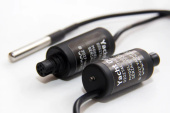
1-2 weeks delivery time The Yacht Devices YDTC-13R is a digital marine thermometer with a Raymarine SeaTalk NG Female connector, designed to measure gas and liquid temperatures from -55 to +125°C (-67 to +257°F). It uses an external sensor in a sealed stainless-steel sleeve on a 950 mm flexible cable that can be extended up to 100 m, provides 0.01°C NMEA 2000 output resolution, and has a maximum measurement error of ±0.5°C from -10 to +85°C and ±2°C outside that range. The unit operates from 7–16 V, consumes 24 mA, weighs 31 g and can be configured to report Sea, Outside, Inside, Engine Room, Refrigeration, Freezer and other supported temperature types. |
$ 173.47
-
+
|
|
1-2 weeks delivery time The Yacht Devices YDTC-13RT is a digital marine thermometer with a Raymarine SeaTalk NG Female Terminator connector and integrated 120 Ohm network termination, designed to measure gas and liquid temperatures from -55 to +125°C (-67 to +257°F). It uses an external sensor in a sealed stainless-steel sleeve on a 950 mm flexible cable that can be extended up to 100 m, provides 0.01°C NMEA 2000 output resolution, and has a maximum measurement error of ±0.5°C from -10 to +85°C and ±2°C outside that range. The unit operates from 7–16 V, consumes 24 mA and weighs 31 g. |
Our managers will contact you and clarify the terms of the order
|
|
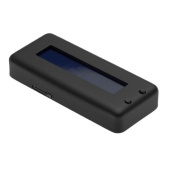
1-2 weeks delivery time The Yacht Devices YDTD-20N is a compact NMEA 2000 text display for showing vessel data including position, date and time, course and speed, heading, wind, water depth and temperature, atmospheric pressure, log and trip distance, battery voltage and engine RPM. It operates from 7–16 V, consumes 20 mA in energy-saving mode or 28 mA at full display brightness, and features a 64.3 × 13.6 mm display area within a 91 × 39 × 16 mm housing. The unit weighs 59 g, uses an NMEA 2000 Micro Male connector and supports firmware updates via MicroSD card for alternative monitoring functions. |
Our managers will contact you and clarify the terms of the order
|
|
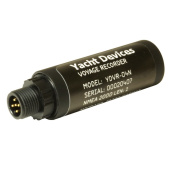
1-2 weeks delivery time The Yacht Devices YDVR-04N is a marine voyage data recorder with an NMEA 2000 Micro Male connector, designed to continuously capture all traffic from a vessel’s NMEA 2000 network to a MicroSD card, including position, course, speed, depth, wind, AIS, engine, tank and battery data. The YDVR-04 generation also adds an isolated audio input for recording VHF line-out, compatible low-power speaker output or amplified microphone audio to standard 12 kHz 16-bit mono WAV files, with configurable gain from -30 to +14 dB. The unit operates from 10.5–16 V, consumes 23 mA, provides 1500 VRMS galvanic isolation on the audio input, supports Class 10 MicroSD cards, works from -25 to +85°C and weighs 18 g without a card. |
$ 336.46
-
+
|
|
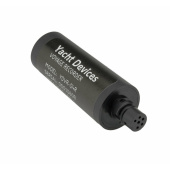
1-2 weeks delivery time The Yacht Devices YDVR-04R is a marine voyage data recorder with a Raymarine SeaTalk NG-compatible connector, designed to continuously store NMEA 2000 network traffic on a MicroSD card, including position, course, speed, depth, water temperature, wind, AIS, engine, tank and battery data. It also provides an isolated audio input for recording VHF line-out, compatible low-power speaker output or amplified microphone audio to standard 12 kHz 16-bit mono WAV files, with programmable gain from -30 to +14 dB. The unit operates from 10.5–16 V, consumes 23 mA, provides 1500 VRMS galvanic isolation on the audio input, supports Class 10 MicroSD cards and operates from -25 to +85°C. |
$ 336.46
-
+
|
|
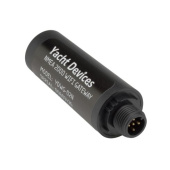
1-2 weeks delivery time The Yacht Devices YDWG-02N is a compact NMEA 2000 Wi-Fi Gateway with an NMEA 2000 Micro Male connector, designed to transfer vessel data such as position, course, speed, wind, depth, AIS, engine, tank and battery information to PCs, tablets and smartphones. It can create its own 2.4 GHz 802.11b/g/n Wi-Fi network with approximately 30 m open-space range or connect to an existing wireless network, and supports TCP, UDP, bidirectional NMEA 0183 conversion and RAW NMEA 2000 data transfer. The gateway operates from 7–17 V, consumes 43 mA, supports up to 3 Wi-Fi clients in Access Point mode, up to 9 TCP application connections and unlimited UDP clients, with a 54 mm case length and 18 g weight. |
$ 289.89
-
+
|
|
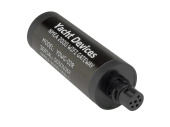
1-2 weeks delivery time The Yacht Devices YDWG-02R is a compact NMEA 2000 Wi-Fi Gateway with a Raymarine SeaTalk NG-compatible connector, designed to transfer vessel data such as position, course, speed, wind, depth, AIS, engine, tank and battery information to PCs, tablets and smartphones. It can create its own 2.4 GHz 802.11b/g/n Wi-Fi network with approximately 30 m open-space range or connect to an existing onboard network, while supporting TCP, UDP, bidirectional NMEA 0183 conversion and RAW NMEA 2000 message transfer. The unit operates from 7–17 V, consumes 43 mA, supports up to 3 Wi-Fi connections in Access Point mode, up to 9 TCP application connections and unlimited UDP clients, with a 54 mm case length and 18 g weight. |
$ 289.89
-
+
|
What are the primary functions of Yacht Devices marine electronics?
Yacht Devices marine electronics primarily function to integrate various onboard systems using NMEA 2000 and NMEA 0183 protocols. The Engine Gateway YDEG-04, for example, allows engines to connect to the NMEA 2000 marine electronics network, providing data such as engine revolutions, fuel rate, and fluid levels to chart plotters and instrumental displays. These devices are compatible with equipment from many brands and they support bi-directional communication, enabling seamless data exchange and system control across the entire marine digital network. Yacht Devices, established as a leader since 2015, focuses on NMEA-2000 marine electronics, adhering to standards set by the National Marine Electronics Association. Their products, such as the NMEA 0183 gateway, allow you to connect NMEA 0183 equipment to a NMEA 2000 network and vice versa, ensuring versatile integration. The gateway YDWG-02 and other devices like the Garmin NMEA 2000 and Simrad offer broad compatibility. They allow users to see and manage data on chart plotters and PC screens, update firmware, and handle various navigation data, including AIS messages from vessels and aircraft. These gateways also support engines with a J1939 serial interface, enabling monitoring of fluid levels on NMEA 2000 devices. Yacht Devices' electronics, such as the bi-directional converter, provide wide support for message types, ensuring comprehensive system integration and control.
What role does a NMEA 0183 multiplexer play in a yacht's electronic system?
A NMEA 0183 multiplexer plays a crucial role in a yacht's electronic system by allowing multiple NMEA 0183 data sources, such as GPS, AIS, and depth sounders, to be combined and transmitted through a single output. This ensures seamless integration and communication between various marine devices and the yacht's navigation system. Additionally, it can interface with NMEA 2000 networks via a gateway, enhancing the overall efficiency and functionality of the yacht's electronics.
What role does the Seatalk adapter play in connecting Raymarine devices to NMEA 2000 networks?
The Seatalk adapter plays a crucial role in connecting Raymarine devices to NMEA 2000 networks by acting as a bridge between the proprietary Seatalk protocol and the standardized NMEA 2000 marine digital network. This adapter allows you to see data from a NMEA 2000 network on Raymarine devices and vice versa, ensuring seamless integration and communication. It is equipped with NMEA 2000 functionality, enabling yacht owners to connect 0183 equipment to a NMEA 2000 network and providing a reliable interface to manage engine data, fluid levels, and other navigation information. For robust and trusted marine data interfaces, explore Actisense, a leading brand in marine electronics integration.
How does a Yacht Devices NMEA 2000 Wi-Fi gateway help monitor boat navigation data on smartphones and tablets?
A Yacht Devices NMEA 2000 Wi-Fi gateway helps monitor boat navigation data by connecting to the vessel's digital backbone and accessing live data streams, creating a local wireless network for personal devices, converting proprietary NMEA 2000 PGNs into universal Wi-Fi protocols, feeding data into compatible navigation apps such as Navionics and iNavX, and allowing several tablets or phones to display synchronized real-time data on a multi-screen dashboard.
What is the purpose of an engine gateway YDEG-04 for Volvo Penta and other J1939 engines in a NMEA 2000 marine network?
Think of the YDEG-04 as your engine's personal interpreter on a modern boat. It listens to the specialized digital chatter from J1939 engines to NMEA 2000, like your Volvo Penta or Mercury, and translates every detail into a common language. This gateway allows you to see real-time vitals—from RPM to coolant temperature—right on your chartplotter screen or sleek web gauges. Ultimately, it bridges the gap, weaving your propulsion data seamlessly into the boat's central digital network on a PC for smarter oversight.
How do Yacht Devices USB and Wi-Fi gateways differ when connecting NMEA 2000 marine electronics to a PC or laptop?
The USB gateway offers a simple, plug-and-play wired link, perfect for a stable connection at the nav station to log NMEA 2000 data. Conversely, the NMEA 2000 Wi-Fi gateway acts as a wifi server, creating a local wifi network that broadcasts data wirelessly to tablets and phones. Key distinctions include: Link Type - a physical cable versus a versatile Wi-Fi network; Device Access - single-computer use versus multi-crew access via apps like Aqua Map; Data Protocol - direct stream versus network broadcast using UDP or TCP protocols.
What role does a Seatalk NG to NMEA 2000 converter play when integrating Raymarine Seatalk NG equipment with other onboard systems?
This compact device is the essential peacemaker for a mixed-brand electronics suite. It allows your Raymarine Seatalk NG gear, such as an autopilot, to communicate freely with devices from Furuno or Simrad Simnet on the same backbone. Without it, critical data like GPS position or water depth remains trapped within brand-specific silos. The converter ensures all your instruments share network data cohesively, creating a unified situational picture.
How can Yacht Devices digital switching and switch control modules simplify AC and DC monitoring on a boat?
These modules transform traditional, manual electrical panels into intelligent, networked systems. The NMEA 2000 digital switching replaces physical switches with solid-state circuit control, managed from a screen. This provides remote operation and real-time status of lights, bilge pumps, and outlets; switch control allows viewing precise current draw for each circuit, aiding in load management; and the capability to program automated sequences for anchoring or docking.
What should be considered when configuring a Yacht Devices NMEA 2000 router or Wi-Fi router in a marine electronics network?
Setting up these devices focuses on creating a reliable and secure data highway. For a Wi-Fi router (YDWG), choosing an unused channel prevents interference, and securing your Wi-Fi network keeps your NMEA data private. You must match the device's output settings (like UDP/TCP) to the input requirements of your navigation apps to ensure they receive the network data flawlessly. Consider physical placement for best signal strength and use a dedicated drop cable for clean power to avoid glitches in your connected devices.