
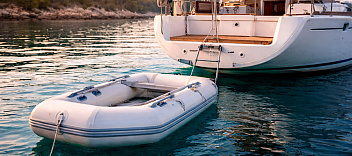
Boating isn’t just about steering—you’re constantly accountable for safety and navigation. Even with modern electronics at your fingertips, a magnetic compass remains an essential fail-safe. In many jurisdictions, maritime rules still mandate having a compass aboard, especially for self-propelled vessels or those venturing beyond protected or visually familiar waters. Omitting one isn’t merely risky—it may run afoul of regulatory requirements. In this article, we’ll begin by exploring why that simple, timeless instrument continues to matter, both for legal compliance and practical peace of mind.
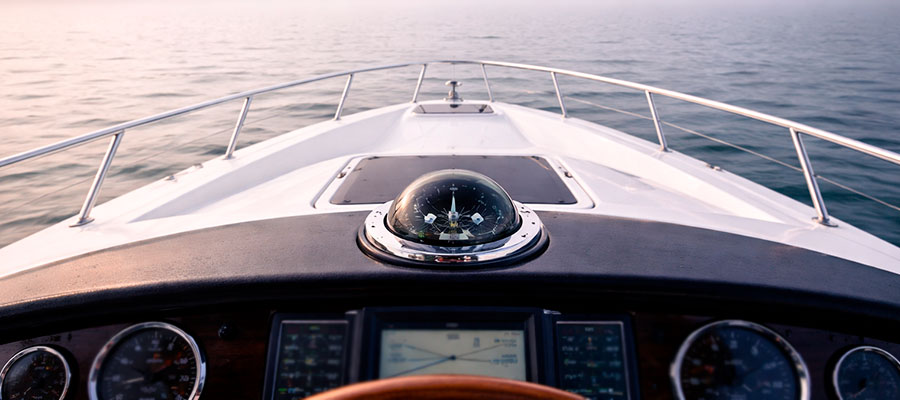
Introduction to Boat Safety and Navigation
Staying safe on the water begins with knowing how to navigate confidently. While modern gadgets can guide you, they sometimes fail when you need them most. A compass offers a steady reference point that doesn’t rely on batteries or signals. For anyone spending time at sea, understanding how to use one can make every trip smoother and more reassuring.
Why Navigation Is Important on a Boat
Safe navigation ensures the vessel follows the correct course and avoids hazards such as shallow areas or other boats. Traveling a nautical mile without proper guidance can lead to getting off course, even in calm waters. Boaters must understand how to read charts, recognize navigation marks, and use compasses to maintain direction. Awareness of currents, wind, and traffic patterns also helps prevent accidents. Both sailboats and motorboats benefit from combining electronic and traditional navigation methods. Even experienced operators should refresh their knowledge regularly. Staying alert and prepared allows the boat operator to react quickly to changing conditions.
Role of a Magnetic Compass in Safe Boating
A magnetic compass provides a constant reference to magnetic north, even when electronic devices fail. It allows boaters to navigate accurately over each nautical mile.
Key elements to understand about the compass:
- Navigation using magnetic north
- Backup for GPS systems
- Orientation during restricted visibility
- Alignment with paper charts
- Marking courses and waypoints
Overview of Required Safety Equipment
Every boat, no matter its size, needs to carry certain gear to keep everyone on board safe. Regulations vary from place to place, but most authorities expect vessels to have items like life jackets, visual signals, and fire extinguishers. These aren’t just boxes to tick on a checklist—they’re tools that could save lives in an unexpected moment.
Having the right safety gear on board is both a legal duty and a personal responsibility. Beyond the obvious items, some waters may also require a sound device, navigation lights, or even a compass if the trip takes you farther from shore. Knowing what is mandatory helps avoid fines, but more importantly, it prepares you to handle emergencies with confidence. A well-equipped boat turns a day on the water into a secure and enjoyable experience for everyone.
Compass Requirements for Different Boat Types
Some boats less than 16 feet may not legally need a compass, but larger vessels must carry one for navigation. A compass provides a reliable reference to magnetic north when electronics fail. Sailboats and motorboats operating far from shore benefit from having both a compass and a paper chart. Using a compass alongside other devices improves situational awareness.
Recreational Boats and Compass Regulations
Rules vary based on a boat’s size and classification, but having a compass is suggested for every vessel. While boats under 16 feet might not be legally required to have one, it significantly enhances safety.
Key considerations for recreational boats:
- Ensure compliance with boating license regulations
- Carry a compass for extended trips
- Keep the compass within easy reach
- Inspect and verify calibration regularly
- Use the compass together with nautical charts for precise navigation
Boats Less Than 26 Feet vs. Larger Vessels
| Feature / Aspect | Boats Under 26 Feet | Larger Vessels (>26 Feet) |
|---|---|---|
| Safety Equipment | Basic safety gear required | Expanded safety equipment mandated |
| Navigation Tools | Optional compass, charts recommended | Advanced navigation systems often needed |
| Passenger Capacity | Limited seating | Higher capacity requires stricter planning |
| Maintenance | Simpler and less frequent | More complex, with regular checks required |
| Fuel & Storage | Smaller tanks, compact storage | Larger tanks, more storage space |
| Trip Planning | Shorter trips typical | Long-distance and multi-day voyages |
Coast Guard Guidelines and 46 CFR References
The U.S. Coast Guard sets clear rules for what equipment and practices every vessel should follow, and many of these are written into the Code of Federal Regulations, specifically Title 46. These guidelines cover everything from life-saving appliances to navigation tools, ensuring that boats are prepared for a wide range of situations.
46 CFR acts as the legal backbone for maritime safety, giving boaters a framework they can rely on. While the language of the regulations may sound technical, the goal is straightforward: keep people safe at sea. For smaller recreational boats, some requirements are simplified, but larger or commercial vessels must meet stricter standards. Understanding these rules not only helps avoid penalties but also builds confidence in handling different conditions. Following Coast Guard expectations means every trip has a stronger layer of security behind it.
Essential Safety Equipment on Boats
Each person on board should have a personal flotation device that is easily accessible at all times. Distress signaling equipment must be ready for use, especially when visibility is poor. Boats also depend on essential tools such as bilge pumps, flame arrestors, and navigation lights to handle various situations safely. Installing a radar reflector can significantly improve your visibility to other vessels in foggy conditions or low light. Regular maintenance of all safety equipment ensures it functions properly, providing peace of mind and a safer experience on the water.
Personal Flotation Devices and Throwable Flotation
Personal flotation devices are essential for keeping every passenger protected in case of an accident, while throwable flotation adds an extra layer of security during unexpected emergencies.
Together, these items form the foundation of onboard safety practices:
- Ensure every person has a properly fitted vest
- Keep a throwable cushion or ring within easy reach
- Inspect equipment for wear or damage regularly
- Store in visible and accessible locations
Fire Extinguisher, First Aid Kit, and Distress Signals
Every vessel must carry basic safety tools to respond quickly in emergencies, and items like a fire extinguisher, a first aid kit, and reliable distress signals are non-negotiable.
These essentials help crews stay prepared for unexpected situations on the water:
- Use a fire extinguisher to control small onboard fires
- Keep a fully stocked first aid kit for injuries
- Carry distress signals to alert rescuers when needed
- Check all items regularly to ensure readiness
Flares, Whistles, and Other Nautical Safety Gear
Flares and whistles provide visual and audio alerts to nearby vessels during emergencies. They complement other essential safety equipment.
Safety gear for effective alerting:
- Flares of varying types
- Whistle or horn
- Radar reflector
- Portable VHF radio
- Lights for nighttime signaling
Carrying and Storing Safety Equipment
All safety gear should be kept in compartments or containers that prevent water damage. Onboard equipment must remain easily reachable in emergencies. Personal flotation devices (PFDs) and type IV throwable devices should always be within arm’s reach, and extra units are recommended for extended trips. Routine inspections are essential to ensure every item is in proper working order and ready for immediate use.
Readily Accessible Compartments for Safety Gear
Safety gear must be stored where it can be quickly accessed, even in challenging conditions. Boaters should make sure PFDs, fire extinguishers, and visual distress signals are placed in compartments that are easy to open. Watertight storage protects items from moisture and rust. Keeping equipment well-organized prevents delays when it’s needed most. On smaller vessels, under-seat storage or hatch compartments work well. Frequent checks guarantee that all equipment is in place and operational. Clear labels on storage areas help everyone on board locate items without confusion.
Proper Storage of Compasses and Navigation Tools
| Aspect | Recommendations |
|---|---|
| Compass Placement | Keep on deck or near helm in a watertight mount for easy access; law requires secure placement |
| Paper Charts | Store flat in waterproof sleeves or chart plotter compartments; carry on board at least one chart |
| GPS Devices | Mount securely, away from water splashes, ensure battery charged |
| Spare Tools | Include pencils, dividers, parallel rulers in dry storage; carry two spare pencils or pens |
| Accessibility | All devices must be reachable during periods of restricted visibility |
| Protection | Avoid direct sun, heat, or moisture to maintain reliability |
| Maintenance | Check magnetic deviation, battery life, and calibration regularly; boating license holders should verify accuracy |
Organizing Boat Safety Equipment for Emergencies
Proper organization ensures that safety equipment is quickly accessible when needed. Everyone on board should know locations.
Tips for organizing safety equipment:
- Watertight storage compartments
- Label equipment clearly
- Easy access for all crew members
- Keep PFDs and type IV devices separate
- Regularly review layout with passengers
Legal Requirements and Regulations
Boating regulations in the U.S. and Canada specify the required equipment depending on a vessel’s size and type. Even personal watercraft and boats under 16 feet must have a properly fitting PFD for every passenger. Boats with gasoline engines installed after April 25 are subject to additional safety requirements. Following these guidelines not only helps avoid penalties but also ensures safer conditions for all on the water.
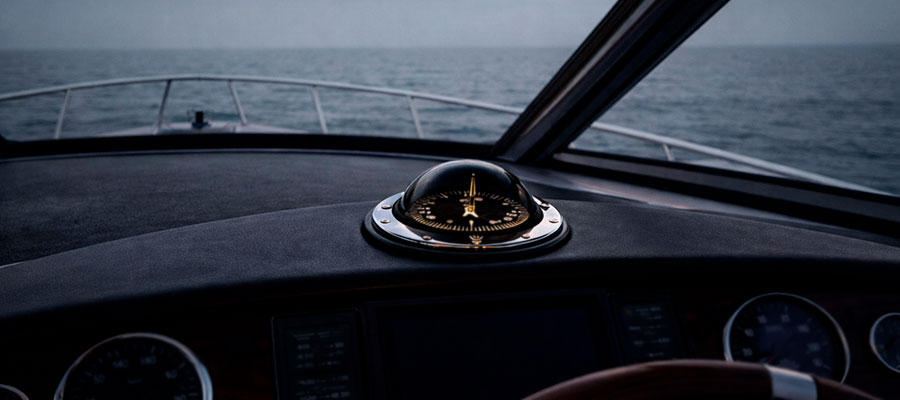
Boats Are Required to Carry Certain Safety Equipment
All boats navigating U.S. or Canadian waters need to be equipped according to the vessel’s size and the type of trip. Any boat over 16 feet must carry at least one Type IV throwable device. Life jackets should be worn as required, particularly for children or when visibility is limited. Fire extinguishers and devices that produce sound signals improve readiness for emergencies. Boats with gasoline engines installed after April 25 must comply with extra fuel system regulations. Regular upkeep ensures all equipment works properly, and knowing where each item is stored reduces response time during urgent situations.
Safety Equipment Is Required Under Coast Guard Rules
The Coast Guard mandates that all boats carry certain equipment to meet safety and legal requirements. Each item must be in proper working order and officially approved. Standard gear includes life jackets, PFDs, fire extinguishers, and visual distress signals. Vessels traveling on rivers or far offshore may need additional safety devices. Regular checks help ensure every piece of equipment performs correctly in an emergency. Boat operators should also learn how to use and deploy each device properly. Following these regulations protects both passengers and crew.
Consequences of Not Having Required Boating Equipment
Failing to carry safety equipment increases risk to passengers and can result in legal penalties. Emergency response becomes slower and less effective.
Consequences to be aware of:
- Fines for non-compliance
- Increased risk of injury or drowning
- Limited ability to signal for help
- Potential insurance issues
- Reduced confidence during emergencies
Best Practices for Safe Boating
All people on board must wear PFDs during periods of restricted visibility or rough conditions. Lights must be operational, and the operator should always monitor navigation marks and surrounding traffic. Avoiding alcohol while operating, maintaining the engine and fuel system, and understanding the vessel’s limits enhance safety. Following these practices reduces the risk of accidents and ensures a smooth trip.
Using a Compass Alongside Modern GPS Navigation
A compass provides a reliable reference when electronic navigation systems fail or lose signal. Boaters must practice using a compass to maintain direction and track progress. GPS can be affected by battery life, signal obstruction, or software errors, making the compass a critical backup. Combining both tools improves overall situational awareness and ensures safe passage over each nautical mile. Sailors should learn to align the compass with charts and navigation marks. Even experienced operators benefit from regular practice in manual navigation. This approach reduces reliance on electronics alone and increases confidence on the water.
Conducting Regular Safety Checks Before Sailing
Inspecting equipment before every trip ensures everything is functional and accessible. Boaters must verify that life jackets, fire extinguishers, and visual distress signals are in good condition. Checking fuel levels, engine function, and navigation lights prevents operational issues. Small boats less than 16 feet still require adherence to local boating rules. Confirming PFD availability and proper fit guarantees safety for everyone on board. These checks also provide an opportunity to review placement of gear for quick access. Consistent inspections help prevent accidents and enhance confidence during boating activities.
Preparing for Emergencies with Proper Equipment
Being prepared with all necessary equipment reduces risk and ensures a faster response. Familiarity with each device improves safety for everyone on board.
Steps for emergency readiness:
- Check all PFDs and type IV devices
- Ensure flares and whistles are functional
- Test visual and sound signals
- Verify first aid kit completeness
- Confirm all equipment is accessible

