

When it comes to choosing a reliable tender or small raft for your adventures, many boat owners turn to Plastimo for their balance of performance and affordability. These compact inflatables have become a familiar sight alongside yachts and sailboats, but one question often comes up — are Plastimo dinghies made of PVC or Hypalon?
The answer lies in understanding the material used in their construction, as it determines how the boat handles exposure to UV rays, abrasion, and saltwater. Most Plastimo tenders are made of quality PVC fabric.
This type of inflatable boat fabric is lightweight, easy to weld, and simple to repair with a basic repair kit or adhesive if needed. Unlike older PVC models that suffered under harsh sunlight, today’s designs feature advanced coatings to resist UV degradation and maintain air tightness over time. Whether you’re inflating a rigid hull tender or a simple roll-up hypalon inflatable boat, understanding your boat’s material can make all the difference in how you maintain it and how long it lasts.

Understanding Plastimo Dinghies and PVC Material
Plastimo dinghies are known for their practical design and reliable construction, made to serve sailors in both calm and challenging waters. Most models are built from polyvinyl chloride 1100 decitex fabric, offering strong bonding and lightweight flexibility. PVC delivers balance and lasting strength, helping the boat resist sunlight, salt, and constant folding. This material choice makes the dinghy easy to store and ready for fast inflation whenever adventure calls.
What makes a dinghy inflatable or rigid inflatable
A dinghy becomes “inflatable” when its buoyancy and shape come from air-filled chambers rather than solid hulls. These inflatable structures are built from durable materials like inflatable boat PVC, which allows them to stay light yet strong. Rigid inflatable boats combine an inflatable collar with a solid base, giving extra balance and safety in choppy water.
The mix of flexibility and rigidity makes them a favorite for both beginners and seasoned sailors. Air-filled design turns simplicity into strength, allowing fast setup, portability, and storage. Whether it’s a Zodiac-style tender or a small coastal explorer, these boats handle surprising loads for their size. That versatility is what keeps inflatables so popular on yachts and private vessels alike.
The role of PVC fabric in modern boats
| Function | Description | Example of Application | Benefit to Boat Performance |
|---|---|---|---|
| Structural Support | Serves as the main body material in inflatable boats, creating airtight and strong tubes. | Used in the tubes of RIBs and tenders. | Enhances buoyancy and stability without adding excess weight. |
| Surface Protection | Acts as a waterproof outer layer, resisting UV rays, salt, and fuel exposure. | Common on deck sides and inflatable collars. | Maintains a fresh appearance and prevents surface degradation. |
| Flexibility & Repairability | PVC fabric can be folded, heat-welded, or patched easily during field repairs. | Used for emergency repair kits and portable boats. | Simplifies long-term maintenance and extends usability. |
| Cost Efficiency | Offers high performance at a fraction of the cost of synthetic rubber or Hypalon. | Found in many recreational dinghies and tenders. | Makes boating accessible without sacrificing reliability. |
| Design Versatility | Can be produced in multiple colours, finishes, and textures for different vessel types. | Seen in customized PVC 1100 decitex inflatable models. | Allows aesthetic freedom and improved brand identity. |
Hypalon vs PVC: key differences
Hypalon and PVC have long defined the material debate in the boating world. Each material performs best in its own way.
Comparison points:
- Hypalon offers higher UV and heat resistance.
- Inflatable boat PVC provides a lighter and more flexible build.
- Hypalon can last decades but costs more.
- PVC is easier to fold and store.
- Hypalon resists chemical wear, while PVC wins in affordability.
Construction of Plastimo Inflatable Boats
Each Plastimo dinghy is carefully engineered with layered PVC or Hypalon fabric, welded seams, and a sturdy floor for stability. The 1100 decitex tube fabric ensures exceptional durability and resistance while keeping the overall weight manageable. Many models also include a secure valve system that prevents deflation even under pressure changes. This construction design allows the boats to remain dependable over many seasons of marine use.
PVC inflatable boat design and hull structure
PVC boats feature versatile designs that combine air chambers with strong seams and lightweight hulls.
Key design components:
- Multi-chamber inflatable structures for safety.
- Reinforced transoms for outboard engines.
- Single or double layer PVC fabric for durability.
- Air valves with backflow protection.
- Compact folding hulls for easy transport.
Polyester and neoprene coatings in boat construction
Modern inflatable structures often use polyester and neoprene coatings to boost resistance and flexibility. Polyester provides the base layer, offering shape stability and preventing stretching under air pressure. Neoprene, on the other hand, adds extra sealing and protection against fuel and saltwater exposure. These coatings enhance the boat’s lifespan and handling in marine conditions.
The combination creates a material that’s lightweight yet tough enough for frequent use. In Zodiac and other premium models, the inner polyester fabric gives the dinghy form, while the neoprene coating shields it from environmental wear. This multi-layer technique ensures lasting durability without sacrificing portability or comfort for the user.
How material affects lifespan and durability
Different materials greatly impact a boat’s longevity.
Main factors include:
- UV resistance of the surface layer.
- Flexibility in high and low temperatures.
- Type of adhesive or welding process used.
- Exposure to saltwater or chemicals.
- Frequency of inflation and deflation cycles.
Comparing Hypalon and PVC for Inflatable Boats
While Hypalon fabric offers greater heat tolerance, Plastimo’s use of polyvinyl chloride (PVC) provides excellent balance between performance and affordability. PVC delivers reliable durability for most boating needs. Hypalon’s synthetic rubber can handle prolonged sun exposure better, but PVC 1100 decitex remains easier to maintain and repair with methyl ethyl ketone adhesive. For most recreational users, modern PVC dinghies now rival Hypalon in flexibility and longevity.
Hypalon and PVC: advantages and disadvantages
Sailors often weigh Hypalon’s ruggedness against PVC’s practicality. Both offer benefits depending on sailing habits.
Highlights of each:
- Hypalon: UV stability and better color retention.
- PVC: lighter weight and quick inflatable structures.
- Hypalon: stronger chemical and fuel resistance.
- PVC: simpler patching and lower cost.
- Hypalon: ideal for tropical use; PVC: perfect for temperate waters.
Lifespan differences between Hypalon and PVC dinghies
A Hypalon dinghy ages gracefully, often staying seaworthy for decades with only minor repairs. In contrast, inflatable boat PVC models offer solid service life at a fraction of the price. Longevity depends on maintenance, storage, and exposure, not just the material itself. With protection from sunlight and clean storage, both materials perform far beyond their reputation, keeping small tenders ready for each season.
Maintenance tips for PVC and Hypalon boats
Regular upkeep helps preserve performance and safety.
Practical maintenance steps:
- Clean with mild soap, never harsh solvents.
- Keep surfaces dry when storing.
- Avoid overinflating during hot weather.
- Use covers to shield from UV rays.
- Inspect seams and valves periodically.
Plastimo Dinghies as Yacht Tenders
A Plastimo dinghy is more than just transport — it’s an extension of your main vessel. Its compact design, PVC tube stability, and easy deflation make it ideal for quick launching or storage on deck. They blend practicality with lasting reliability, serving as dependable tenders for short trips or daily use. With options ranging from soft floors to rigid aluminum hulls, there’s a model for every yacht owner’s style.
Why PVC inflatable boats are popular as tenders
| Feature | Description | Real-world Advantage |
|---|---|---|
| Lightweight construction | Made with 1100 decitex PVC fabric that combines strength with low weight. | Easy to lift, launch, and store on a yacht deck. |
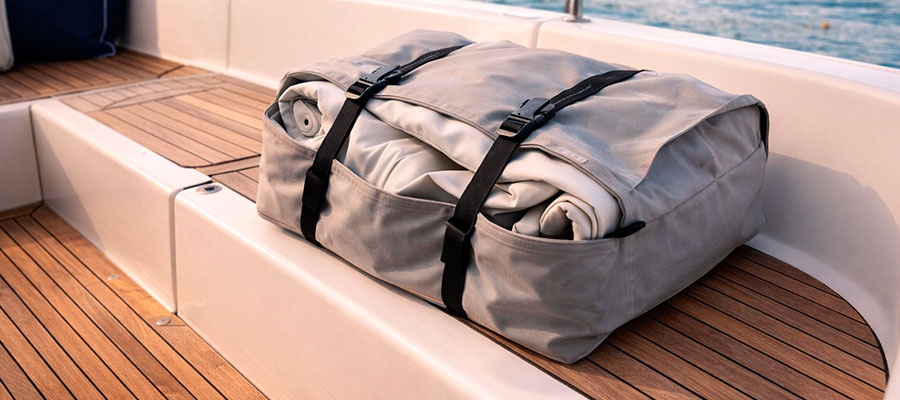
| Compact storage | Deflation system allows the boat to fold into a small carry bag. | Saves deck and locker space during long voyages. |
| Durability and resistance | PVC offers protection from UV rays, saltwater, and abrasions. | Withstands frequent use and exposure to harsh conditions. |
| Easy repair process | Simple emergency repair using PVC patches and methyl ethyl ketone adhesive. | Quick fix at sea without special tools. |
| Affordable performance | More cost-effective than Hypalon or aluminum hull options. | Ideal for sailors seeking reliable tenders without high expense. |
| Variety of colors and styles | Available in a wide range of colours, often in dark grey or light tones. | Lets owners match the dinghy’s look with their main vessel. |
Plastimo dinghies’ compatibility with yachts
Plastimo dinghies are engineered to function seamlessly as yacht tenders. Their lightweight PVC construction allows easy lifting onto decks or davits without stressing the yacht’s balance. They fit conveniently on both single or double davit systems and are compact when deflated. Plastimo dinghies complement yacht operations perfectly.
Sailors appreciate their ease of handling, quick setup, and smooth compatibility with standard yacht accessories. The inflatable structures are tough enough for daily transfers yet gentle on yacht hulls.
Using a dinghy as a rigid inflatable boat or tender
Many sailors use their dinghies interchangeably as rigid inflatables or tenders.
Advantages include:
- Stable performance in rough waters.
- Easy attachment to outboard motors.
- Lightweight transport and storage.
- Reliable zodiac-style tube design.
- Durable inflatable boat pvc fabric for longevity.
Features of Plastimo PVC Inflatable Dinghies
These dinghies combine lightweight design with impressive durability and resistance against wear, sunlight, and sea spray. They’re available in a wide range of colours, often finished in dark grey for a sleek, professional look. Smart details enhance real-world usability, such as quick-action valves, reinforced handles, and non-slip flooring. Whether used for leisure or utility, each boat reflects careful design and trusted performance on the water.
Hull design and inflatable boat stability
Inflatable boats are carefully engineered for balance and handling on water. The V-shaped or flat hulls influence speed, lift, and turning ability, while air chambers distribute weight evenly. This results in a smooth and predictable ride even in choppy conditions.
Many modern models feature reinforced bottoms and rigid inserts that strengthen overall structure. Hull shape defines how stable the inflatable feels. By combining rigid keels with flexible tubes, builders achieve impressive control and performance. It’s a hallmark of both zodiac and Plastimo-style dinghies.
Fender and accessory compatibility
Accessories enhance comfort and functionality on any inflatable.
Useful add-ons:
- Detachable fenders for protection.
- Mountable oar locks and handles.
- Seat boards and storage bags.
- Electric pump connectors.
- Patch kits for quick repair inflatable solutions.
Choosing the right size and type of dinghy
The right dinghy depends on how you sail, who’s aboard, and how you store it. For solo use, small inflatable boat PVC tenders are easy to carry and inflate. Families may prefer single or double floor options for comfort and rigidity. Perfect sizing balances purpose, space, and weight, ensuring effortless handling both on deck and in the water. Whether a compact tender or larger Zodiac model, your choice should reflect both need and lifestyle.
Maintenance and Longevity of PVC Inflatable Boats
Taking care of a PVC inflatable boat involves regular cleaning and proper storage when not in use. Avoiding prolonged UV exposure and keeping the valves clean will extend its lifespan. For small leaks or punctures, an emergency repair using methyl ethyl ketone adhesive and a patch kit can restore the boat’s performance quickly. With the right upkeep, Plastimo PVC dinghies can last many years while maintaining their strength and flexibility.
Cleaning and storing PVC fabric dinghies
Proper cleaning extends the life of your PVC inflatable.
Steps for best care:
- Rinse saltwater off after every trip.
- Let the surface dry completely before folding.
- Use soft brushes to prevent scratches.
- Store in a cool, shaded area.
- Avoid petroleum-based cleaners on seams.
Extending the lifespan of an inflatable boat
An inflatable boat can last many years with thoughtful upkeep. Routine inspections of valves, seams, and pressure levels help detect problems early. Using covers and avoiding sun exposure can delay material fatigue and color fading. Consistent maintenance keeps inflatable structures seaworthy for years. Applying protective sprays against UV rays also preserves flexibility. Owners who follow care schedules often double their boats’ usable life.
Common issues with PVC dinghies and how to fix them
Even sturdy dinghies face occasional wear or leaks.
Typical problems and quick fixes:
- Air loss from small punctures — patch with PVC adhesive.
- Seam separation — re-bond with heat or glue.
- Valve leaks — tighten or replace O-rings.
- Fabric stiffening — clean and condition with UV protectant.
- Slow deflation — inspect valves for sand or debris.

