
Dealing with stuck systems on watercraft can be frustrating. Many sailors face this issue during voyages. This guide offers step-by-step solutions for relief. Learn safe methods to restore full operation. Avoid common mistakes that cause further trouble. Gather simple tools before starting the process. Follow instructions carefully for best results. Regular upkeep prevents repeat occurrences.
Understanding the Jabsco Manual Toilet System
The manual marine toilet uses a pump cylinder for operation. Users pull the bar to move water through tube. A valve controls flow from the inlet to outlet. The holding tank stores waste until discharge. Seals prevent leaks in the system. Gum elastic gaskets ensure tight connections. The tank vent allows air exchange. Service involves checking the o-ring for wear.
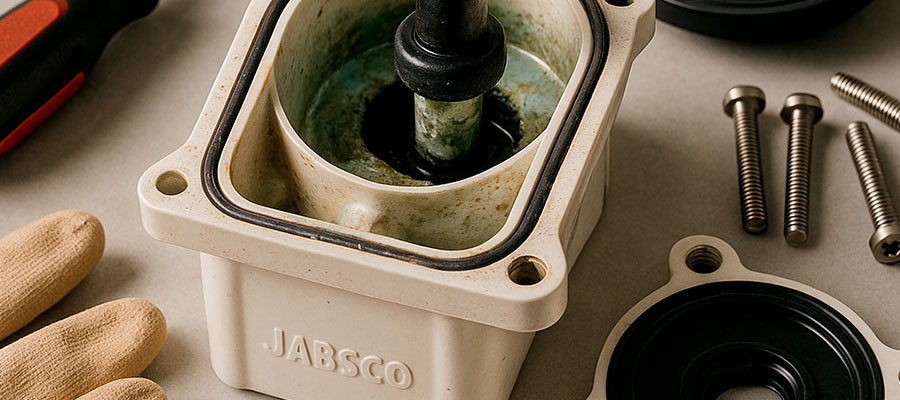
How a Jabsco marine toilet works on a boat
First, open seacocks to allow water flow. Pull the bar to draw water in.
The pump cylinder creates suction for emptying.
Water in the bowl mixes with waste. Push the lever to send contents out. The discharge hose carries waste away. A joker valve stops backflow. Clean water rinses after each use. The system relies on manual effort.
Key parts: pump, stroke, and toilet bowl
| Part | Description | Function in the System |
|---|---|---|
| Pump | A mechanical device that generates pressure to move liquids through tube. | It drives the flow of waste from the bowl into the discharge line, ensuring efficient removal. |
| Stroke | The back-and-forth motion that activates the internal mechanism. | This action compresses and releases to create suction or pressure for clearing contents. |
| Toilet Bowl | The open receptacle designed to hold water and collect materials. | It serves as the primary area where users deposit waste before the pump processes it. |
Common causes of a clog in a Jabsco toilet
Excess toilet paper can cause a block. Foreign objects often jam the inflator. Hard water minerals build up inside. Grease or oil residues stick to parts. Improper flushing leads to accumulation. Overuse without cleaning worsens issues. Lack of maintenance invites problems.
- Take the pump apart for inspection.
- Use white vinegar to dissolve buildup.
- Empty the bowl before servicing.
- Replace worn gum elastic seals.
- Check the discharge line regularly.
- Avoid flushing non-biodegradable items.
- Ensure proper water supply.
Identifying the Signs of a Clogged Marine Toilet
Watch for unusual resistance when operating your equipment. Notice if the inflator feels harder to move. Check for slow drainage in the system. Listen for gurgling sounds during flushing. Observe if waste builds up unexpectedly. Feel vibrations that weren't there before. See if water backs up quickly. Spot leaks around connections.
Slow or difficult pump stroke in a boat toilet
This issue often starts with buildup inside. Minerals from hard water can accumulate. Grease residues might stick to parts. Excess paper products contribute to problems. Foreign items can jam the mechanism.
Overuse without regular cleaning worsens it.
Lack of maintenance leads to stiffness. Proper rinsing helps prevent this. Always inspect before each trip.
Water rising in the toilet bowl instead of flushing
Water coming up signals a blockage downstream. The discharge line might be obstructed. Buildup in pipes causes this reversal. Check the seacock for proper opening. Ensure the outlet is clear. Use a plunger to dislodge debris. Dry bowl after clearing.
- Close the seacock before servicing.
- Remove the bolt for access.
- Clean the seat and lid thoroughly.
- Wash with clean water afterward.
- Inspect for worn parts.
- Replace if necessary.
- Test the system fully.
Strange noises from the pump during use
Listen closely for unusual sounds. They might signal air bubbles. Check connections for looseness. Ensure proper priming first. Run cycles with care. Note patterns in the racket. Investigate further if persistent.
- Inspect inlet for debris.
- Tighten all fittings securely.
- Add lubricant to joints.
- Clear any trapped particles.
- Test with small amounts.
- Monitor sound levels.
- Consult guides for specifics.
First Steps to Unblock a Jabsco Toilet
Start by gathering your basic supplies nearby. Wear gloves to keep things clean. Locate the access panel on your unit. Have a bucket ready for spills. Turn off power if applicable. Read the manual for quick reference. Stay calm and work methodically. Begin with the simplest checks first.
Shutting off water before unclogging the marine toilet
Always prioritize safety during this process. Locate the main water valve for your setup. Twist it clockwise to stop the flow. Double-check that no water drips out. This prevents unwanted messes while working. Ensure all nearby taps are also off. Place a towel under connections.
Inform others on board about the stoppage.
Proceed only after confirming everything's secure. Test by trying to run water briefly.
Checking the pump stroke for blockages
Examine the inflator area carefully first. Look for visible debris around edges. Feel for unusual resistance when testing. Listen for odd sounds during movement. Check seals for signs of wear. Inspect hoses for kinks or twists. Rotate parts gently to spot issues.
- Use a flashlight for better visibility.
- Note any buildup on surfaces.
- Clean with a soft cloth.
- Avoid forcing stuck components.
- Document findings for later.
- Compare with normal operation.
- Repeat checks after adjustments.
Simple tools to clear a minor clog
Grab a plunger for gentle pressure. Try a wire hanger straightened out. Use baking soda and vinegar mix. Employ a drain snake if needed. Have gum elastic gloves for protection. Keep paper towels handy for cleanup. Store tools in an easy spot.
- Start with the least invasive option.
- Apply suction slowly and steadily.
- Mix solutions in equal parts.
- Insert tools carefully to avoid damage.
- Rinse thoroughly after use.
- Dispose of waste properly.
- Test functionality once done.
Clearing a Serious Clog in a Boat Toilet
Turn off the water supply right away. Gather tools like a wrench nearby. Drain any standing liquid first. Use a bucket to catch drips. Apply gentle pressure with a tool. Work slowly to avoid damage. Rinse parts with fresh water. Test the flow afterward.
How to safely disassemble the Jabsco toilet pump
Start with the unit powered down. Remove screws holding the cover. Lift the top section carefully.
Note positions of all parts.
Disconnect hoses one by one. Set components on a clean surface. Inspect for dirt or wear. Clean as you go along. Reassemble in reverse order. Always double-check connections.
Inspecting hoses, stroke chamber, and toilet bowl
Examine lines for cracks or kinks. Check the inner chamber for residue. Look inside the basin for buildup. Feel for soft spots on rubber. Test flexibility of connections. Wipe surfaces with a cloth. Note any unusual odors.
- Use a light to see clearly.
- Squeeze hoses gently.
- Wash out loose particles.
- Replace if damaged.
- Document issues found.
- Clean with mild solution.
- Reconnect securely.
Removing hard clogs from the marine toilet system
Soak stubborn spots in vinegar. Use a brush for tough areas. Twist out debris carefully. Wash with warm water next. Repeat if needed for thoroughness. Dry everything completely. Run a full test cycle.
- Wear protective gloves always.
- Avoid harsh chemicals.
- Work in good ventilation.
- Dispose of waste safely.
- Inspect after removal.
- Lubricate moving parts.
- Monitor for improvements.
Testing the Jabsco Toilet After Unblocking
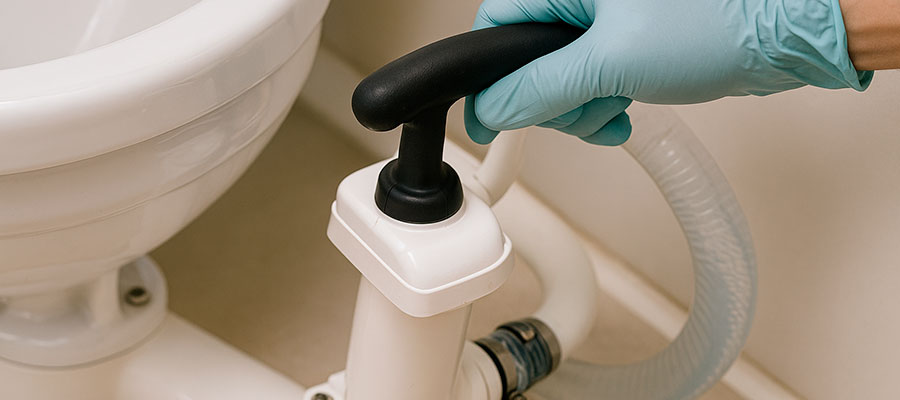
First, turn on the water slowly. Check for any unusual sounds. Operate the mechanism a few times. Watch for smooth movement. Listen for consistent flow. Feel for vibrations. Ensure no drips appear. Confirm everything works well.
Restoring water flow to the boat toilet
Locate the main valve carefully. Open it gradually to avoid surges.
Monitor for steady pressure.
Test nearby faucets too. Wipe away any spills. Let it run for a minute. Check connections for tightness. Adjust if needed. Enjoy the restored function.
Ensuring smooth pump stroke with no resistance
Move the handle back and forth. Feel for easy action. Listen for quiet operation. Check for binding spots. Lubricate if it feels rough. Repeat the motion several times. Note any improvements.
- Inspect the chamber visually.
- Clean any buildup gently.
- Tighten loose fittings.
- Replace worn parts.
- Test under load.
- Document the results.
- Share tips with others.
How to check the toilet bowl for leaks
Look around the base closely. Feel for damp spots. Run water and observe. Check under the unit. Use a mirror for hidden areas. Mark any suspicious zones. Dry and retest.
- Shine a light underneath.
- Press on joints firmly.
- Add water slowly.
- Watch for seepage.
- Note patterns of moisture.
- Repair as necessary.
- Celebrate a leak-free setup.
Preventing Future Clogs in a Marine Toilet
Use lots of liquid with waste. Skip tossing in non-dissolving stuff. Clean often to maintain flow. Add enzymes to dissolve buildup. Cut back during choppy waves. Teach crew proper habits. Plan deep cleans monthly. Watch for early warning signs.
Proper use of a Jabsco toilet on a boat
Always position yourself correctly. Don't pile on excess paper.
Stick to recommended cleaners.
Rinse thoroughly each time. Steer clear of strong chemicals. Keep the space neat. Verify before extended voyages. Appreciate hassle-free boating.
Regular pump and stroke maintenance tips
Check weekly for signs of wear. Oil moving parts every month. Scrub filters when required. Swap out damaged pieces quickly. Verify function after tweaks. Stock extra parts nearby. Adhere to maker's advice.
- Shine a light inside.
- Wipe down surfaces gently.
- Remove any debris found.
- Apply grease sparingly.
- Test motion smoothly.
- Note any odd noises.
- Repeat every few weeks.
Best practices for keeping the toilet bowl clean
Wipe down after every use. Use mild soap solutions. Avoid abrasive scrubbers. Dry fully to prevent mold. Add odor absorbers occasionally. Inspect for cracks regularly. Share cleaning duties with others.
- Start with a soft cloth.Ы
- Mix gentle cleaner first.
- Rinse under running water.
- Buff to a shine.
- Store supplies accessibly.
- Monitor for stains.
- Reward good habits.

