
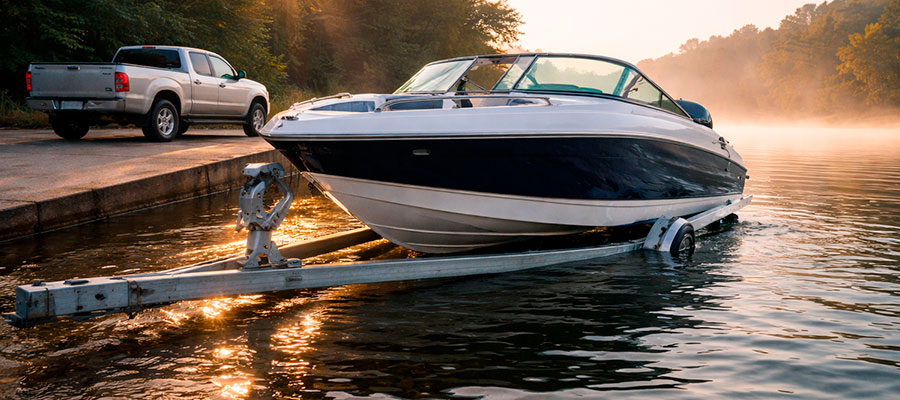
Launching your boat shouldn’t feel stressful. With the right steps, you’ll glide into the water smoothly. Preparation saves time and avoids last-minute panic. Patience keeps you and others safe at crowded ramps. Teamwork helps—bring a buddy if you can. Confidence grows with practice, so take it slow.
Back your trailer straight down the ramp. Secure the boat’s bow line before unhooking. Gently ease the boat off the trailer. Park your vehicle clear of the ramp. Now, enjoy the water—you’ve nailed it!
What Do I Need to Prepare Before Heading to the Boat Ramp?
Check your boat’s drain plug is secure. Top off fuel and oil levels. Pack life jackets for everyone onboard. Stow ropes and fenders where they’re handy. Inspect trailer lights and tire pressure. Grease the wheel bearings if needed. Test the winch and safety chain. Load gear evenly to balance the boat.
Charge your phone and bring a backup. Check the weather forecast before leaving. Have your boat keys and ramp pass ready. Keep a basic toolkit in the truck. Backing practice saves time at the ramp. Teach your crew simple hand signals. Stay calm—first-timers make mistakes, and that’s okay. Now you’re set for smooth sailing!
Essential Pre-Launch Boat and Trailer Checks
Proper prep prevents ramp stress. Get your boat ready before arriving. These checks ensure smooth launching.
Pre-launch checklist:
- Verify drain plug installed
- Check trailer lights work
- Inspect tire pressure
- Test winch operation
- Remove all tie-downs
- Load safety gear
- Stow loose items
- Confirm bilge pump works
How to Properly Secure Your Boat on the Trailer During Transit
Center the boat on the trailer, ensuring the bow sits snug against the stop. Check that weight distributes evenly to prevent swaying-steps to ensure stability during transit. Secure the bow with a winch strap and backup safety chain hooked to the bow eye. Best to keep the lower unit trimmed up to avoid ramp contact.
Add transom straps in an X-pattern from trailer frame to stern eyes. Cross-strapping minimizes side shifts, especially for new boats or rough roads.
Tighten all straps firmly, then recheck after moving the boat back a few feet. Retrieve the vessel-one to drive while another monitors straps before hitting highways. Team up-vessel-one to drive the rig while others handle lines. Clear the ramp until the trailer loads smoothly to avoid blocking others.
Understanding Different Types of Boat Ramps and What to Expect
Ramps vary by location. Boat takes different approaches on each type. Know what you'll encounter.
Ramp types:
- Concrete pads (steep/smooth)
- Gravel slopes (shallow/uneven)
- Floating docks (tidal areas)
- Natural banks (soft bottoms)
- Multi-lane (busy locations)
- Single lane (remote areas)
- Tidal ramps (water level changes)
- Private ramps (members only)
What Are the Step-by-Step Instructions for Launching a Boat from a Trailer?
Back your trailer straight down the ramp. Keep your wheels out of the water. Set the parking brake before exiting. Unplug trailer lights to avoid frying them. Remove all straps except the bow line. Have your helper hold the bow rope. Slowly reverse until the boat floats. Shift to park and release the winch.
Guide the boat gently off the trailer. Keep tension on the bow line. Move your boat to the dock. Secure it before parking your vehicle.
Park your rig clear of the ramp. Double-check your parking brake’s engaged. Stow your gear and prep for fun. You’ve just nailed a perfect launch!
How to Back Your Trailer Down the Boat Ramp Correctly
Prep your gear in a designated parking zone before approaching the ramp. Check trailer tires, lights, and the lower unit while securing straps and chains. Align straight with the ramp, using dock lines or grooves as guides. Steer opposite the trailer’s direction-turn left to swing the trailer right.
Ease backward until trailer tires touch water, letting the boat float slowly off the trailer. Set the parking brake before unhooking the winch.
Move quickly once launched-drive the towing vehicle to designated parking to clear the ramp. Team up with one to operate the vessel for smoother launches.
When and How to Install the Drain Plug and Prepare Your Boat
| When to Install | How to Do It Right | Pro Tips |
|---|---|---|
| Before leaving home | Screw plug in finger-tight, then quarter-turn with wrench | Keep spare plugs in your truck glovebox |
| At the ramp (double-check) | Verify plug is seated - no gaps or cross-threading | Touch the plug - if it's dry, you've got problems |
| After heavy rain | Check bilge area for unexpected water entry | A flashlight reveals what your fingers miss |
| When winterizing | Remove plug completely to prevent freeze damage | Store it ziptied to your steering wheel |
Safely Detaching Your Boat from the Trailer in the Water
Proper release prevents damage. Boat away from trailer needs care. Follow these steps for safety.
Detachment process:
- Back trailer to proper depth
- Release winch strap
- Untie stern lines
- Gently push boat off
- Guide boat clear
- Secure boat to dock
- Move trailer promptly
- Park trailer properly
What is Proper Boat Ramp Etiquette When Launching Your Vessel?
Prep everything before approaching the ramp. Don't make others wait while you load gear. Keep your area clean and organized. A little courtesy goes a long way here. Move efficiently - practice backing up beforehand. Have your boat ready to launch quickly. If you're new, let others go first. Everyone remembers their first time - we get it.
Help fellow boaters when you see them struggling. Offer to catch lines or hold a boat. Return favors make the ramp friendlier for all. Kindness costs nothing but means everything. Clear the ramp immediately after launching. Park your trailer in designated spots only. Leave space for the next person waiting. We're all just trying to get on the water!
How to Minimize Your Time at the Launch Ramp
Efficiency helps everyone. Time to prepare before arriving saves minutes. Master these time-saving techniques.
Time-saving tips:
- Prep boat at home
- Load gear beforehand
- Practice backing skills
- Assign crew roles
- Use checklists
- Avoid peak times
- Keep keys accessible
- Know ramp layout
Where Should Your Tow Vehicle and Trailer Be Located While You Prepare
Prep your vehicle and trailer in a designated parking or staging area away from the boat ramp to avoid blocking others. Remove tie-downs, check the drain plug, and test lights here-steps to ensure everything works before approaching water.
Only back down the ramp once pre-launch checks finish and the dock and the boat are clear. Keep the vehicle is at the ramp briefly-launch quickly, then move to designated parking to free space.
If retrieving the vessel-one to drive the towing vehicle, coordinate hand signals for alignment with the trailer and into the water. Park the trailer slowly once loaded, securing straps away from the ramp before departing. Practice steps for launching during quieter times to reduce stress at busy ramps. Always keep the boat safely tied or anchored if prepping alone.
Navigating Busy Boat Ramps on Weekends and Holidays
Crowds require patience. People to launch multiply on weekends. These strategies keep things moving.
Busy ramp tactics:
- Arrive early
- Watch for pedestrians
- Communicate clearly
- Take turns properly
- Park considerately
- Help others when safe
- Stay alert
- Keep cool
How Do I Retrieve My Boat and Load It Back onto the Trailer?
Approach slowly - line up with your trailer. Have your crew ready with the bow line. Kill the engine before reaching shallow water. Let momentum glide you the last few feet. Connect the winch strap before pulling forward. Crank steadily until the boat seats properly. Keep the boat centered as you winch. A little patience now prevents headaches later.
Secure the bow eye with the safety chain. Double-check all straps before leaving the ramp. Drain plugs out? Gear stowed? Lights working? Good - now you're road-ready.
Pull forward smoothly to clear the ramp area. Check your rearview for straggling ropes. Breathe - you've mastered the trickiest part. Tomorrow's trip just got easier with today's practice.
Techniques for Lining Up Your Boat with the Submerged Trailer
Proper alignment saves effort. Still on the trailer practice helps. Use these methods for easy loading.
Alignment techniques:
- Use guide posts
- Approach slowly
- Watch current
- Use wind
- Center bow
- Winch gently
- Adjust trailer depth
- Practice often
Using the Winch Line to Pull the Boat onto the Trailer Safely
Inspect the winch line for frays before connecting to the bow eye. Secure the trailer coupler and engage the parking brake to stabilize the boat trailer. Guide the boat using a line to the bow while cranking the trailer winch steadily. Keep the lower unit raised to avoid scraping the ramp.
Electric winches simplify loading with button control but require battery checks. Manual cranking demands even pressure to prevent strap slippage or strain.
After securing, fasten the safety chain and check the drain plug. Move the trailer away promptly to clear the launch area for others. Team up-one to drive the towing vehicle and one to operate the vessel. Practice during off-peak hours to master launching and retrieving your boat
What Are Common Mistakes to Avoid When Launching and Retrieving?
Forgetting the drain plug ruins your day instantly. Check it twice - once at home, again at the ramp. A sinking boat attracts crowds for all the wrong reasons. Rushing the process causes most ramp disasters. Skipping prep work leads to fumbled launches. Impatience creates lines and tempers flare. Slow is smooth, smooth is fast.
Ignoring trailer depth creates loading nightmares. Too deep and the boat won't center. Too shallow and you'll grind the hull. Find that sweet spot through practice.
Neglecting communication turns teamwork into chaos. Agree on hand signals before backing down. Assign clear roles to each crew member. Silence at the ramp costs time and pride.
Trailer Issues That Can Cause Problems at the Boat Ramp
Prevent breakdowns before they happen. Steps to ensure trailer readiness prevent hassles. Watch for these common issues.
Trailer problems:
- Faulty lights
- Stuck brakes
- Flat tires
- Broken winch
- Rusted bearings
- Loose hubs
- Worn bunks
- Corroded frame
Boat Launch Safety Hazards Every Boater Should Know
Slippery ramps pose fall risks from algae or wet surfaces. Back the trailer carefully, keeping the vehicle in park with brakes engaged. Wear grippy shoes and move slowly to avoid losing footing. Propeller accidents spike near docks or crowded launch lanes. Confirm the vessel operator kills the engine before swimmers approach. Maintain distance from others when engaging the lower unit.
Impaired operation contributes to 20% of fatal boating incidents. Avoid alcohol while towing a boat or handling the trailer winch. Designate a sober driver for the towing vehicle and one to manage the vessel.
Trailer mishaps occur if straps or brakes fail mid-launch. Double-check trailer coupler locks and drain plug before entering water. Secure the boat to the trailer evenly to prevent shifting. Environmental factors like currents or steep ramps complicate launch and retrieval. Inspect the boat launch ramp for erosion, debris, or uneven surfaces. Postpone launching if winds or tides threaten boating safety.
How Do I Launch a Boat by Myself Without Assistance?
Prep everything before backing down - life jackets, lines, and gear ready. Attach a long bow line you can reach from shore. This is your lifeline when things get squirrely. Back slowly until tires just touch the water's edge. Set your parking brake hard - really crank it. Leave the truck in gear as extra security. Walk your boat off like you mean it.
Use the dock to pivot your boat if needed. Keep that bow line firmly in your grip. Secure the boat before parking your trailer. No heroics - steady wins this solo race. Retrieving alone? Float directly over submerged trailer bunks. Use the winch crank from the dock side. Guide the boat on with your free hand. Patience beats frustration every single time.
Solo Launching Techniques for Different Types of Boats
Submerged obstacles lurk near ramps - scout the area first. Lower your trailer into the water too deep and you'll lose control. Rock piles or debris love to damage props and hulls. A quick visual check prevents expensive repairs later.
Slippery ramps turn into danger zones with algae growth. Wear shoes with grip when walking on wet concrete. That mossy patch near the edge? It's a broken wrist waiting to happen. Keep three points of contact when boarding your boat.
Rogue waves from passing boats swamp unprepared vessels. Secure all gear before launching - loose items become projectiles. Unexpected wakes can knock you off balance in seconds. Always face the water when near the edge.
Faulty trailer lights cause ramp collisions after dark. Test bulbs before submerging your trailer into the water. Carry spare fuses and waterproof connectors in your kit. Visibility matters as much on land as the water.
Equipment That Makes Single-Person Boat Launching Easier
| Essential Gear | Why It Helps | Pro Upgrade |
|---|---|---|
| Long Bow Line (25+ ft) | Lets you guide the boat from dock to trailer without swimming | Retractable line on a dock reel keeps it tidy |
| Remote Winch Controller | Winch your boat onto trailer from the dock side | Waterproof models float when dropped |
| Trailer Guide Poles | Visual alignment for perfect trailer approach | PVC poles with reflective tape for night ops |
| Wheel Chocks | Prevents trailer creep on steep ramps | Magnetic chocks stick to your frame when not in use |
| Knee-High Water Boots | Dry feet during shallow wading | Neoprene versions drain quickly |
| Headlamp | Hands-free lighting for dawn/dusk launches | Red light mode preserves night vision |
| Floating Keychain | Because dropped keys love deep water | Attach to your belt loop religiously |