

Understanding the correct amount of lubricant your compact power unit requires is essential for its smooth operation. Using too little or too much oil can lead to performance issues or even damage over time. Many owners seek clear guidance on the proper fluid volume to maintain optimal function and avoid costly repairs. This article aims to provide straightforward information about the oil capacity for this particular model, helping you keep your equipment in top shape. Whether you’re performing routine maintenance or preparing for a long trip, knowing this detail ensures your system runs efficiently and reliably.
Introduction to the Fischer Panda 4200 Generator
The Panda 4200 is a compact power solution for marine vessels. Designed for boats with limited space, it's light and efficient. Its small diesel engine runs quietly and cools with water. It's ideal for powering systems like air conditioning or navigation electronics. Many boat owners choose it for low noise and reliability. The engine inside the 4200 is based on a Farryman diesel block. The setup includes a smart controller and electric fuel system. It's a trusted option for offshore and coastal cruising alike.
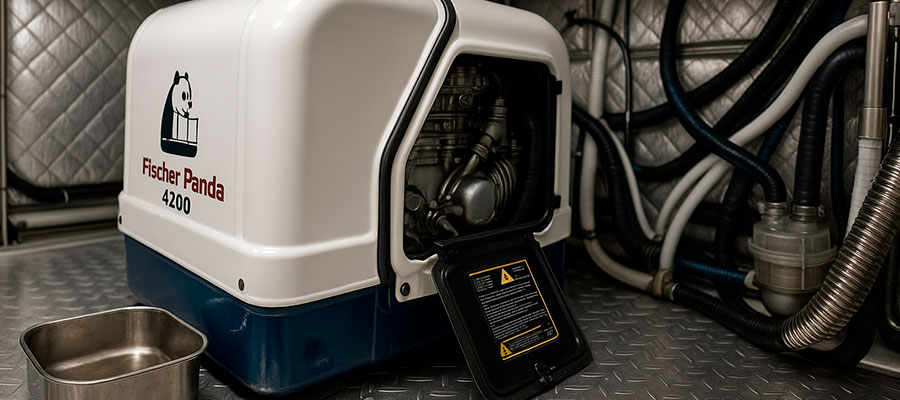
Overview of the Fischer Panda Marine Generator
Fischer Panda makes various FP gensets for boats and yachts. The FP 4200 model is among the smallest, yet highly capable. It features water-cooling through a raw water and heat exchanger setup. These marine power units work in salty, humid environments. Fischer Panda generators are built for efficiency and long runtime.
The water pump and impeller help maintain stable cooling cycles.
Most are enclosed in a sound-insulated capsule. The alternator and injection pump are well protected inside. The brand is known for quality and solid after-sales support.
Key Specifications: 4200 Model and Power Output in kW
The Panda 4200 delivers steady electricity for small onboard systems. Its single cylinder head diesel engine runs about 3.8 kilowatts (kW). Power peaks at roughly 4.2 kW during heavier loads. The engine uses oil to protect components like the valve seat and exhaust valve. It holds approximately 2.1 liters of engine oil in its oil pan.
Technical specs summary:
- Voltage: 230V single-phase (other versions exist)
- Engine: Farryman diesel, 3000 RPM
- Cooling: Water-cooled with heat exchanger
- Shutdown system: Overheat, low oil pressure, over-speed
- Battery
Benefits of Diesel Generators on Marine Vessels
Diesel gensets offer strong, long-term value on the water. They are efficient and safer than gasoline-powered units. These units deal with temperature and salt much better. A well-maintained diesel unit lasts longer than most gas options. They're also easier to maintain for hands-on boat owners.
Top diesel genset advantages:
- Greater fuel efficiency for long-distance cruising
- Better compression and torque for powering heavy loads
- Lower fire risk versus gasoline options
- Stable electric supply for sensitive onboard electronics
- Compatible with sea water-cooled systems for marine use
Understanding Oil Requirements for the 4200
Every diesel genset needs the right oil for smooth operation. The FP 4200 is no exception on this. Its compact one-cylinder engine runs best with proper lubrication. Too much or too little oil causes major mechanical stress. Oil helps protect parts like the valve seat and cylinder head. Without it, your exhaust valve can overheat or seize. This is especially true during extended boat trips at full load. A marine generator depends on oil for longevity and stability.
Recommended Oil Type and Viscosity for Fischer Panda 4200
Choosing the correct oil for the FP 4200 matters a lot. Always follow the manual or fischer panda service guidelines. Use high-quality diesel engine oil that suits marine conditions. Look for oil with strong thermal resistance and detergents.
The ideal oil viscosity is SAE 15W-40 for most temperatures.
Avoid light oils that break down under heavy genset use. Cold starts need oil that flows fast without thinning too much. Warm climates require oil that resists breakdown at high heat. Oil affects things like valve clearance and injection system lifespan.
Total Oil Capacity and Filling Guidelines
The FP 4200 oil system can hold up to 2.1 liters of engine oil. Before every trip, use the dipstick to check the oil level. Do not fill it too much because excess pressure can harm the oil pan seal. Make sure the generator set is level when you drain or add oil. Change the filters during each full oil service period.
Filling tips:
- Heat the engine a little before you drain the oil
- Wipe the area around the fill cap to stop dirt from getting in
- Use a funnel to stop oil from spilling onto the cooling system
- Turn on the unit after you add oil, then check the oil level again
- Throw away old oil properly according to the marina rules
Role of Oil in PMS (Preventive Maintenance Schedule)
Oil is very important for the Panda PMS schedule. A small diesel generator can't handle problems from not having enough oil. If you miss an oil change, it can cause the engine to stop working and lead to expensive repairs. Oil also helps protect parts like the injection pump and fuel solenoid from wearing out. Using clean oil makes the engine run more smoothly, makes less noise, and reduces emissions.
Here are the oil-related tasks for your marine PMS:
- Check the oil pressure every time you start the engine.
- Change the oil after 100 to 150 hours of operation.
- Clean or replace the oil filter when needed.
- Look for leaks near the exhaust water area.
- Write down each service in your FP maintenance log.
Checking and Maintaining Oil Levels
Oil levels are very important for every owner of the Fischer Panda 4200. The engine needs protection when you start it up or when it's under heavy use. Before a long boat trip, you should always check the oil level. Run the unit for a short time, then let it cool down before checking. Clean the dipstick and put it back in completely. The oil should rise to the top mark but not go above it. Adding too much oil can harm the gasket in the oil pan and cause leaks. If there's not enough oil, the pressure sensor will trigger a shutdown.
Locating the Oil Valve and Dipstick
Accessing the dipstick on the FP 4200 is easy. You'll typically find it next to the valve cover or cylinder. The dipstick has clear lines to show the minimum and maximum oil levels. The oil drain valve is lower down, close to the bottom of the oil pan.
Check for leaks around the oil valve fittings and hose clamps.
If removing the dipstick is hard because of tight space, a mechanic can help.
Many generators place the valve near the fuel pump or filter. If you're unsure, look at your FP manual or Fischer Panda service guide. Make sure the oil cap is securely closed.
How to Accurately Measure Oil in a Marine Generator
Oil measurement in a diesel generator set needs to be done carefully. These generators work at high temperatures and require steady oil flow. If the oil level is not measured properly, it can cause expensive damage to valves or cylinders. Always check the oil level after turning off the engine and let the oil settle for a while. Use both visual and physical checks to make sure the reading is accurate.
Steps to measure oil correctly:
- Park the boat or generator on a flat surface.
- Wait 5 to 10 minutes after shutting down the engine.
- Take out the dipstick, wipe it clean, and put it back in fully.
- Make sure the oil reaches the full mark on the dipstick.
- Check for any dark color or metal pieces in the oil.
Frequency of Oil Checks During Marine Operations
Oil should be checked regularly during active marine use. Longer trips or hotter climates increase oil stress. A daily check helps prevent shutdowns and unexpected engine wear. Rough seas can cause oil movement or loss in the pan. Stick to a simple routine for each operation day.
Recommended check schedule:
- Before each engine start
- After running 10+ continuous hours
- Post-refueling or rough water travel
- Every 2–3 days on extended cruises
- After any overheating or warning light
Performing Oil Changes on a Fischer Panda 4200
Changing oil on a panda 4200 isn’t as hard as it seems. You’ll need basic tools, clean rags, and a drain pan. Warm the diesel engine slightly to help the oil flow. Be careful not to run it too long before draining. Use gloves and protect surrounding parts from spills. Drain from the base of the oil pan or valve port. Replace the oil filter every second or third oil change. Refill slowly, checking the dipstick for proper level.
Step-by-Step Oil Drain and Refill Procedure
| Step | Description |
|---|---|
| 1 | Warm up the engine briefly to help the oil flow smoothly during draining. |
| 2 | Locate the oil drain valve near the valve seat on the 4200 FCB engine block. |
| 3 | Position a container beneath the valve to catch used oil from the FP generators. |
| 4 | Slowly open the oil drain valve to release old oil completely; be cautious of hot surfaces. |
| 5 | Close the valve securely once all oil has drained to avoid leaks. |
| 6 | Remove the oil filler cap near the fuel pump to prepare for refilling. |
| 7 | Pour in the recommended oil type and quantity specified for the Fischer Panda 4200 model. |
| 8 | Use the dipstick to check the oil level, ensuring it’s within the correct range. |
| 9 | After refilling, inspect around the valve seat and filler cap for any signs of leakage. |
| 10 | Start the engine briefly to circulate oil, then recheck the level and top up if necessary. |
Proper Disposal of Used Diesel Generator Oil
Used oil must be handled with care to protect your surroundings. Never dump old oil near docks or into sea water. Diesel oil from a marine generator contains toxic contaminants. Recycle it properly through your marina or an auto shop. Avoid mixing it with other fluids like coolant or fuel.
Proper disposal practices:
- Store in a sealed, labeled container
- Transport in a stable, leak-proof bucket or jug
- Drop off at certified oil recycling centers
- Use marina oil disposal tanks when available
- Never pour oil down drains or bilge pumps
Tips for Avoiding Overfilling or Underfilling
Too much or too little oil causes performance issues. Overfilling leads to foaming and valve pressure problems. Underfilling stresses the injection pump and engine bearings. Even small oil mistakes shorten your genset’s service life. Take your time and double-check levels after each refill.
Tips to maintain correct oil levels:
- Always check oil after engine has cooled
- Use a funnel to pour slowly and carefully
- Stop halfway and recheck dipstick before topping up
- Avoid guessing — measure oil input precisely
- Keep notes of oil quantity used at every change
Troubleshooting Oil-Related Issues
Oil issues can lead to major marine generator failures. Early signs include smoke, leaks, or low-pressure warnings. Always inspect oil levels before deeper genset troubleshooting begins. Thick smoke could mean overfilled oil or a blocked breather. Metallic sounds might suggest a lack of lubrication. If the unit shuts down unexpectedly, check the oil pressure switch. Leaks near the oil pan may point to a worn gasket. Routine checks help catch small problems before they grow costly.
Common Oil Problems in Fischer Panda Generators
Many oil issues in FP units start small but grow fast. Leaky seals, improper oil grades, or clogged filters cause trouble. Low oil pressure might shut down the generator mid-operation.
Blocked filters can damage the valve seat or injection pump.
Foamy oil often means water has entered the system. That could come from raw water backflow or failed gaskets. Overfilling can splash oil into the exhaust valve chamber. Diesel gensets don’t tolerate oil neglect for long. Keep a service log as part of your panda PMS routine.
Diagnosing Valve or Valve Clearance Issues
Strange noises often point to valve clearance problems. You might hear ticking from the cylinder head area. Improper valve clearance reduces engine compression and power output. A qualified marine mechanic should check valve lash carefully. Clearance issues affect the entire diesel engine system.
Look for these valve-related symptoms:
- Rough starting, especially when cold
- Loud ticking or knocking sounds
- Drop in power output (kW) under load
- Difficulty staying running at idle
- Increased exhaust water or heat
Monitoring Oil Pressure and Generator Performance
Oil pressure tells you how healthy your diesel genset is. Low pressure means the bearings may not be protected. Ignore pressure warnings and expect serious mechanical trouble soon. Install a clear gauge if your fp 4200 doesn’t have one. Check oil pressure during every long boat trip.
Watch for these performance signals:
- Pressure light flickers or stays on
- Genset struggles to reach full rpm
- Drop in battery charging voltage
- Burning smell near the heat exchanger
- Increased muffler noise or vibration
Fischer Panda Service and Preventive Maintenance
A well-maintained fisher panda 4200 runs smoother and lasts much longer. Basic service doesn't need a certified mechanic, just attention and consistency. Monitor oil pressure and change oil at scheduled intervals. Replace the oil filter and check for leaks at the oil pan. Fischer panda generators rely on good oil flow to protect the diesel engine. Farymann and kubota engines are common in many marine gensets, including older models. Some older units may resemble an Onan in terms of layout. Regular flushing of the water cooled system is essential for reliability. Trust the manual—it outlines each task and part location clearly.
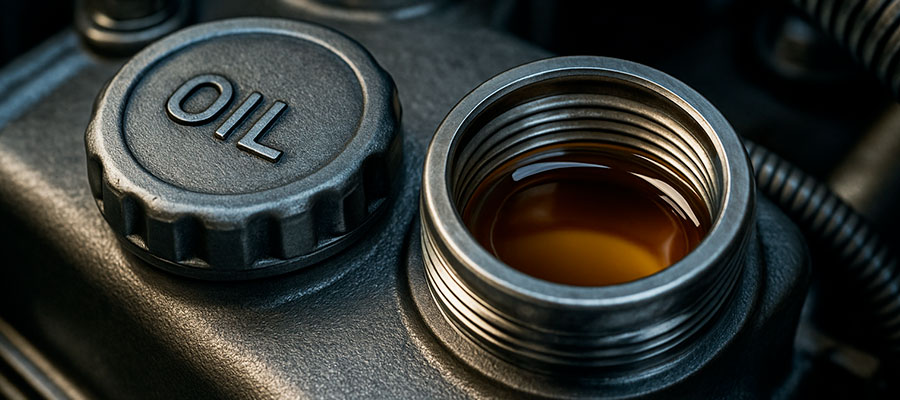
Following Fischer Panda Service Guidelines for the 4200
The service plan for the panda 4200 is structured and clear. Each task is timed by hours of generator use.
Follow the factory fischer panda service intervals for safe operation.
Change oil every 100–150 hours under regular conditions. Clean or replace filters at the same time to prevent clogs. Monitor fuel lines and the cooling system for wear or leaks. A bad injection nozzle can reduce output or create unburned fuel. Stay alert for early signs like low oil pressure or white smoke. Use quality parts, especially when replacing the exhaust components.
Regular PMS Tasks to Extend Generator Life
The pms routine helps spot issues before they get expensive. Each check ensures the fischer panda 4200 stays safe and efficient. Valve clearance, filters, and fluids all need regular inspection. The longer your trips, the more often checks are needed. Stick to a schedule even when docked for long periods.
PMS tasks to follow:
- Check oil pressure and top up as needed
- Inspect sea water hoses and water cooled lines
- Clean the exhaust water port regularly
- Run the battery charging system weekly
- Test shutdown alarms and sensors on startup
Scheduling Professional Inspections and Valve Adjustments
Some jobs should always be left to trained hands. A certified tech can fine-tune valve clearance safely and accurately. Regular inspections help avoid damage to the cylinder or head. Don't wait for loss of power or overheating to act. Book annual inspections if running heavy loads often.
Tasks for a certified service technician:
- Adjust valve settings based on factory specs
- Inspect farryman diesel or kubota engine parts
- Test coolant mix in water cooled circuits
- Clean and align the injection system
- Verify exhaust paths and service the muffler if needed

