

How does a VDO temperature gauge work?
That small dial on your dash holds great power. The VDO temperature gauge is your engine's translator. It deciphers the silent language of heat. A rising needle is a direct warning cry. This system relies on a simple physical principle. Its sensor acts like a thermal storyteller. Head temp becomes a clear electrical signal. We will explain this elegant, vital communication. You will learn to trust your VDO temp gauge fully. It's the key to preventing costly breakdowns. Let's explore how it protects your engine every day.
Basics of a VDO Temperature Gauge
A VDO temperature gauge reads vital engine heat. It uses a dedicated temperature sensor. This sensor is often a thermistor. Its electrical resistance changes with heat. This change is sent to the gauge and sender unit. The gauge translates this into a clear reading. Drivers can then monitor their engine's thermal state.
What a temp gauge does in an automotive engine
It provides a real-time thermal snapshot. This prevents severe engine block overheating damage.
The temperature sender signals the dashboard instrument.
It helps identify a stuck thermostat quickly. Monitoring confirms the cooling system works. It is crucial for engine compartment safety. The ecu may also use this data. It is a primary diagnostic tool.
Difference between a water temp gauge and oil temp gauge
A water temperature gauge monitors coolant heat. It typically uses a vdo temperature sensor. An oil temperature gauge checks lubricant warmth. Its temp sensor is in the oil stream. VDO CHT models measure cylinder head temperature directly.
Key differences include:
- Measurement medium: coolant versus oil.
- Sensor placement location in the engine.
- Normal operating ranges differ significantly.
- Response rate to temperature changes.
Why VDO gauges are popular for engine monitoring
They are known for reliable calibration. Their part number system is very precise. This ensures perfect gauge and sender matching. Many enthusiasts choose them for aftermarket upgrades. They offer specific sensors like vdo cylinder units.
Popular reasons are:
- Consistent accuracy and durability.
- Direct replacement for OEM parts.
- Comprehensive kits available.
- Trusted in professional motorsport.
Main Components in a VDO Gauge System
A VDO gauge system seems simple. It has just three main parts. They must all work together perfectly. This ensures an accurate gauge to read. First is the gauge head itself. Next comes the necessary wiring. Finally, a correct sender is vital. Each component has a specific job.
The VDO gauge head, wiring, and terminals
The gauge head is the dashboard display. It has a needle and a calibrated scale.
The wiring and terminals connect everything.
Wires carry small electrical signals. They run from the engine to the dash. Clean, tight connections are crucial here. Corrosion here causes false readings. Good wiring ensures signal integrity.
The matching VDO water temp or oil temp sender
This sensor is the system's starting point. It threads into the engine. A water temp or oil temp unit differs. Each reads a specific fluid's heat. The sender contains a special thermistor. Its resistance changes with temperature. This change creates the signal. The gauge interprets this signal for you.
- It is installed directly into the coolant passage.
- Alternatively, it mounts on an oil cooler line.
- Some measure air temp in the intake.
- A vdo cylinder head unit threads near a spark plug.
- Each has a unique resistance curve.
How the sensor, wiring, and gauge form one circuit
All three parts create one loop. Think of it as a complete circle. The wiring and gauge complete the path. Voltage from the car flows through it. The sender acts as a variable resistor. It controls current in this circuit. This simple loop is very reliable.
- Power flows from the gauge.
- It travels down a wire to the sender.
- The sender's resistance regulates the flow.
- Current returns through another wire.
- The gauge needle moves accordingly.
Electrical Principle Behind a Temp Gauge
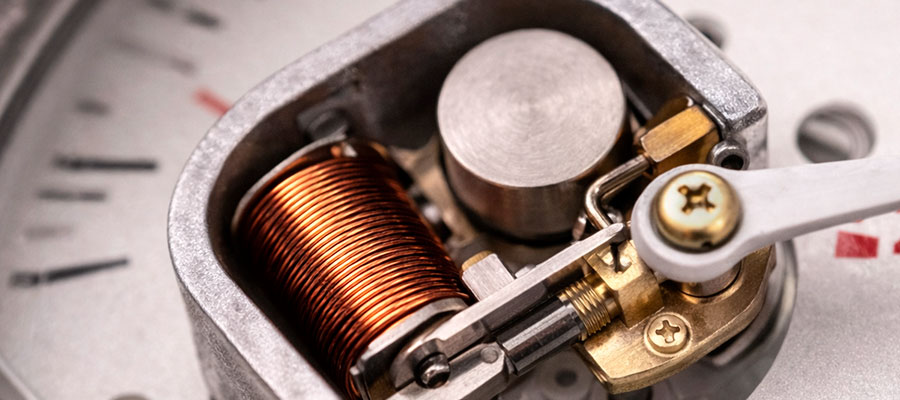
A temperature gauge works electrically. It acts like a measured response system. The core principle is variable resistance. Heat physically alters a sensor's properties. This change creates an electrical signal. That signal powers a magnetic coil inside. The coil then moves the display needle. The entire process is elegantly simple.
How changing resistance in the sender moves the needle
The sender moves the needle indirectly.
It does not push the needle itself. Instead, it controls electrical current flow. This current powers a small electromagnetic coil. More current creates a stronger magnetic field. A stronger field pulls the needle further. Less current means a weaker pull. The needle then rests at a lower point. This gives you your temperature reading.
Relationship between temperature and sender resistance
| Engine Temperature Condition | Typical Sender Resistance (Ohms) | Signal to the Gauge | What the Gauge Does |
|---|---|---|---|
| Cold Engine (e.g., 40°F / 4°C) | High Resistance (~1,500 ohm or more) | A very weak electrical signal passes through. | The needle stays at the "C" or low end of the scale. |
| Normal Operating Temp (e.g., 195°F / 90°C) | Medium Resistance (~150-250 ohm) | A moderate, stable signal is sent via the connector. | The needle settles steadily in the middle, safe zone. |
| Overheating Engine (e.g., 250°F / 121°C) | Low Resistance (~50 ohm or less) | A very strong electrical signal flows to the gauge. | The needle moves sharply into the red "H" warning zone. |
Role of vehicle 12V supply and ground in gauge operation
The system needs power to function. The vehicle's 12V supply and ground provide this. Power flows from the battery to the gauge. It then travels through the sensor circuit. The ground completes this essential electrical loop. Without a solid ground, the gauge fails. Good connections are critical for accuracy.
- Ignition provides 12V to the gauge's power terminal.
- One wire carries power toward the temperature sender.
- The sender's resistance regulates current flow.
- Current returns to the gauge's signal terminal.
- A final ground wire completes the circuit to the battery.
Water Temp Gauge vs. VDO Oil Pressure
A VDO temp gauge measures engine coolant temperature. It uses an electrical sensor in the engine. This sensor reads the coolant's heat level. It translates temperature into a signal. The gauge needle moves with this signal. You monitor the engine's heat constantly. This prevents dangerous overheating issues. The head temp is crucial for health.

How a VDO water temp gauge reads coolant temperature
The VDO water gauge needs a temperature sensor. This sensor sits in the coolant passage. Its electrical resistance changes with heat.
The gauge interprets this resistance change.
It shows the value on the dial. A stable reading means good cooling. Watch for a sudden temperature spike. The VDO temp display is reliable.
How a VDO oil pressure gauge works with a pressure sender
Installing both gauges gives complete engine monitoring. You see coolant and oil data simultaneously. This dual setup is highly informative. It provides critical redundancy. Two separate sensors feed individual gauges.
- Monitor both head temp and oil pressure.
- Use matching VDO gauge styles.
- Install each pressure sender correctly.
- Connect all wiring to proper power.
Using separate VDO oil and VDO water instruments together
Each gauge monitors a different vital system. The water temp gauge tracks cooling efficiency. The oil pressure gauge shows lubrication health. They are equally important. Both require their own specific sender unit.
- A VDO temp gauge prevents overheating.
- An oil pressure gauge warns of wear.
- Compare readings for engine diagnosis.
- Never ignore a faulty pressure sensor.
Installation Considerations for VDO Instruments
Proper installation ensures accurate readings. Planning prevents future electrical issues. Consider the gauge's physical placement first. It must be visible while driving. Mounting requires a clean, stable surface. Ambient heat can affect some readings. Always follow the manufacturer's specific guidelines.
Choosing the right VDO gauge range for your automotive engine
Select a gauge matching your engine's specs. Normal operating temperature is the key. A standard gasoline engine runs near 210°F.
Your automotive engine's normal heat is critical.
Diesel engines may run slightly cooler. A too-low range maxes out quickly. A too-high range reduces readability. Always check your vehicle's factory specifications.
Matching the correct sender to the temp gauge specification
This is the most critical step. An unmatched sender gives false readings. Every VDO temp gauge specification has a partner. They share a precise electrical resistance curve. The part numbers must correspond correctly. Never mix senders from different brands casually. Using the wrong one will mislead you. Always verify compatibility before purchasing.
- Check the model numbers on the gauge and sender.
- Confirm the intended fluid type: coolant or oil.
- Verify the electrical connection type fits.
- Ensure the sensor's thread size and pitch are correct.
- Match the temperature or pressure range precisely.
Basic wiring layout for a VDO gauge panel
A simple three-wire system is standard. Power, ground, and signal are needed. Each wire has a specific color code. The signal wire runs to the sensor. A solid ground connection is essential. Clean all connections for best performance.
- Connect the ignition-switched power wire.
- Attach the ground wire securely.
- Run the sender wire to the engine.
- Use a fuse for the power line.
- Bundle wires neatly behind the panel.
Reading and Interpreting Gauge Information
A guage shows more than just a number. It tells a story about your engine. Learn to read its visual language. The needle's position holds key information. Steady readings indicate good health. Fluctuations can signal emerging problems. Your observation is the first diagnostic tool.
Normal operating range on a VDO water temp gauge
Find the middle of the scale first. This is typically the normal zone. The needle should settle here after warm-up.
Operating range on a well-tuned engine is stable.
Minor movement is normal under load. Consistent reading just below mid-scale is ideal. It shows the cooling system is functioning. The thermostat is opening and closing correctly.
Warning signs from high temp or low oil pressure readings
Watch for the needle entering the red. This is a primary visual warning sign. High temperature risks immediate engine damage. Low oil pressure is equally critical. It means components are not lubricated. High temp or low pressure requires instant action. Do not ignore these clear danger signals. Stop driving and investigate the cause immediately.
- The coolant needle consistently climbing past ¾ scale.
- The oil pressure gauge reading near zero at idle.
- Erratic fluctuations instead of a stable needle position.
- A higher-than-normal operating temperature after a cold start.
- Pressure dropping sharply when the engine gets hot.
Using VDO gauge feedback to protect your engine
Your gauge provides continuous real-time data. Use this feedback for proactive maintenance. It helps you catch small issues early. Listening to your gauge feedback to prevent major failures is smart. Regular monitoring builds engine awareness and longevity.
- Note any gradual rise in baseline temperature.
- Watch for a slow drop in oil pressure over time.
- React to sudden, abnormal needle movements.
- Use readings to adjust your driving style under strain.
- Correlate gauge data with other symptoms like noises.

