

Your Johnson outboard relies on a simple, self-powered genius: its fuel pump system. This critical component doesn't need batteries or complex electronics. Instead, it harnesses the engine's own rhythm to move johnson fuel from the tank to the carburetor. This guide will reveal the elegant mechanics behind this dependable workhorse, showing you exactly how a few small parts ensure your boat's reliable performance. Understanding this process is key to smarter maintenance and confident troubleshooting on the water.
Basic Role of the Fuel Pump
The mechanical fuel pump ensures proper fuel delivery. It moves fuel from the tank. This component creates essential pump pressure. A consistent pump pressure maintains engine operation. It overcomes system resistance for fuel to flow. The diaphragm pump action regulates the amount of fuel. This prevents fuel starvation in the outboard engine.
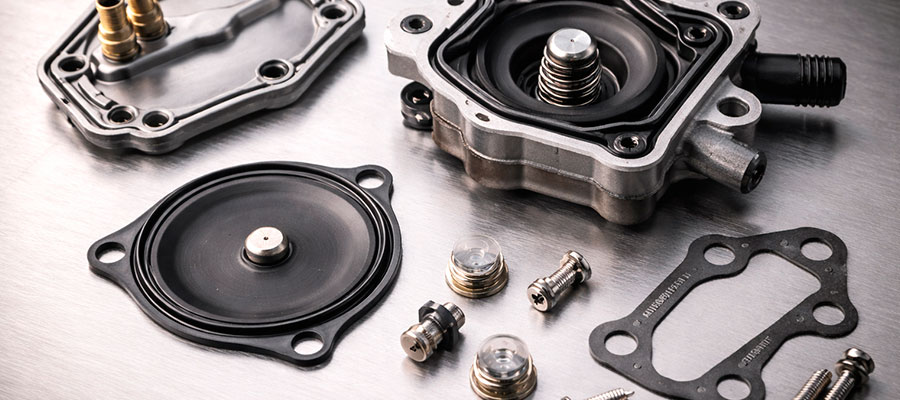
How the fuel pump feeds the outboard motor
Fuel enters through the fuel inlet. The pump's diaphragm then draws new fuel inside. It pushes this fuel toward the engine block.
The pump and the engine must synchronize perfectly.
Each piston stroke creates a pumping action. This ensures a steady flow of fuel. The check valve directs this movement. Finally, fuel reaches the carburetor or injection system.
Relationship between the fuel pump and overall fuel system
It is one of many fuel system components. The pump relies on other parts like the fuel filter. A clogged fuel filter strains the pump. Fuel pump issues often start elsewhere. Problems can stem from the fuel line or tank.
- Fuel from the tank
- Outboard fuel filter
- Fuel injection system
- Spark plug ignition
Why outboard fuel delivery is critical for boat performance
Reliable delivery prevents a lack of fuel. This ensures the engine is running optimally. Proper fuel and air mixture powers combustion. Inconsistent flow causes sputtering and power loss. It protects against severe engine damage from fuel starvation.
- Steady pump pressure
- Uninterrupted fuel to flow
- Correct fuel consumption
- Avoids fuel leak risks
Diaphragm Action in Johnson and Evinrude Outboards
The core component is a flexible diaphragm. This diaphragm moves within the fuel pump assembly. Its motion creates a vital pumping action. This motion creates suction to draw in fuel. Then it switches to push fuel onward. This simple mechanical movement is remarkably effective. It reliably moves boat fuel without electricity.
How crankcase pulses drive the outboard fuel pump
The engine itself provides the power. Crankcase pressure changes with piston movement. These pulses connect to the pump and the engine block.
A sealed pulse line transmits this alternating pressure.
It acts directly on the pump's diaphragm. The diaphragm flexes inward and outward rhythmically. This turns engine pulses into a pumping force. No separate electric pump is typically needed.
Diaphragm movement and one‑way valves in fuel delivery
Diaphragm movement alone is not enough. Small one-way valves control the fuel's direction. They open and close with each diaphragm cycle. These ingenious check valves ensure proper flow. They prevent dangerous backflow into the tank.
- Fuel enters via the inlet valve.
- The diaphragm draws fuel into the chamber.
- The outlet valve opens on the push stroke.
- Fuel then goes to the pump to the engine.
Similarities between Johnson and Evinrude outboards fuel pumps
| Feature | Shared Characteristic |
|---|---|
| Design & Operation | Both use an identical, pulse-driven mechanical design. The pump responds to crankcase pressure from each cylinder. |
| Part Compatibility | A new pump for one often fits the other. Many models share the exact part number, simplifying repairs. |
| Function | The pump's role is the same: to reliably move Johnson fuel or Evinrude fuel to the carburetor. |
| Common Issues | An aging Evinrude fuel pump system fails the same way a Johnson one does—typically from a worn diaphragm. |
Primer Bulb and Fuel Line Function
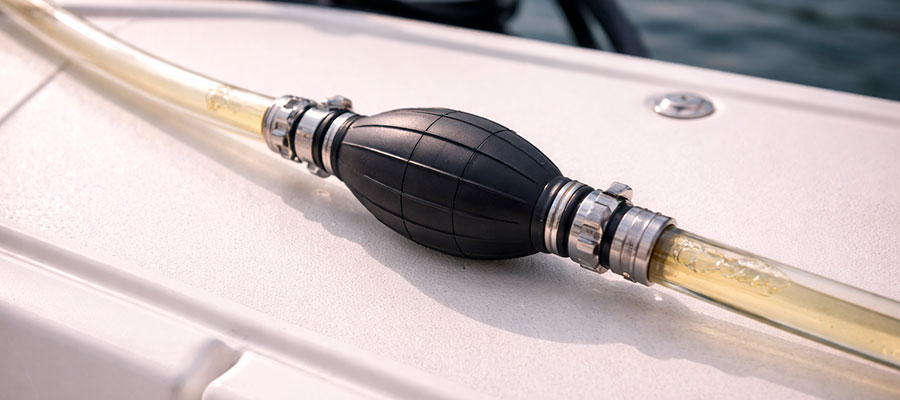
The primer bulb is a hand-operated pump. It is integrated into the fuel line. Squeezing the primer bulb moves fuel manually. This action fills the fuel line initially. It ensures the mechanical pump gets immediate liquid fuel. This prevents the engine from straining dry. A firm, full bulb indicates proper fuel presence.
How the primer bulb fills the fuel line before starting
First, ensure the fuel line connections are tight. Repeatedly squeeze and release the primer bulb. Watch and listen for fuel moving forward. The bulb should become firm and full.
This firmness signals that air is being purged.
It confirms the line is full of fuel. This pre-filling aids the pump to work. Now the engine can draw fuel instantly.
Role of the bulb in removing air from the outboard fuel system
Air pockets cause fuel delivery failure. The primer bulb pushes liquid past these voids. It forces air back toward the fuel tank. This manual purging process is critical for starting. Consistent squeezing clears the entire fuel system.
- Forces fuel through the lines.
- Pushes air bubbles backward.
- Prepares the fuel pump diaphragm.
- Ensures the float bowl fills quickly.
Signs the primer or bulb is causing fuel pump problems
A bulb that never firms up indicates issues. It may stay soft or collapse when running. Visible cracks or a fuel leak appear. You smell raw fuel near the primer bulb. The engine may stall from fuel starvation.
- Difficulty pumping the primer bulb.
- The bulb fails to hold its shape.
- Fuel leaks from the bulb's seams.
- The engine starts then dies.
Fuel Flow Through the System
Fuel begins its journey in the tank. It then moves through the main fuel line. The primer bulb is the first manual stage. Fuel next enters the pump's inlet port. The diaphragm then pushes fuel toward the engine. It passes through a final fuel filter. Fuel arrives at the carburetor or injectors.
Path of outboard fuel from tank to carburetors or injectors
Start by squeezing the primer bulb firmly. This draws fuel from the tank. The fuel passes through an anti-siphon valve. It then reaches the mechanical fuel pump.
This specific component pressurizes the liquid fuel.
The pump sends fuel onward under pressure. A small line feeds the oil pump on VRO models. Finally, fuel enters the engine's induction system.
How the pump maintains pressure and steady fuel delivery
The pump creates essential operating fuel pressure. Its rhythmic diaphragm action is key. This provides a constant, metered fuel supply. This consistent pulse ensures the engine runs smoothly. Steady pressure prevents sputtering or starvation.
- Maintains pressure against system resistance.
- Compensates for engine speed changes.
- Delivers a precise amount of fuel.
- Works in sync with the oil injection.
Interaction of the fuel pump with the primer and filters
The primer bulb assists the mechanical pump. It fills the line to make the pump's job easier. A filter before the pump protects its diaphragm. A clean filter safeguards the pump's internal check valves. This teamwork ensures the entire system works correctly.
- Primer bulb pre-fills the fuel line.
- Filter prevents clogged fuel from entering.
- Pump pulls fuel through the filter media.
- Steady flow depends on all three components.
Common Fuel Pump Problems and Symptoms
A failing fuel pump cannot maintain pressure. Common issues include internal diaphragm failure. Check valves may also stick open or closed. A degraded fuel pump may leak fuel externally. It can also leak pressure internally. Symptoms often mimic other fuel system problems. Accurate diagnosis saves time and money.
Typical signs of a bad fuel pump on Johnson and Evinrude outboards
The engine may start but then quickly stall. You might experience a noticeable loss of power. Difficulty restarting a warm engine is a clue.
The engine struggles under load or at high speeds.
The primer bulb may not stay firm. Squeezing the primer bulb provides temporary relief. These signs point to a weak particular pump. A marine mechanic can confirm this diagnosis.
Diagnosing hard starting, stalling, and loss of power
First, eliminate simpler causes. Always check the fuel filter first. Inspect all lines for a leak in the fuel. Test the fuel pump's output pressure directly. Compare it to your model's specific specifications.
- Verify spark plug condition.
- Pump the bulb to check for air.
- Examine fuel for water contamination.
- Inspect all fuel line connections.
Issues in the fuel line, primer bulb, and tank connections
Problems often start outside the pump itself. Cracked fuel lines introduce air into the system. A faulty primer bulb will not pressurize. Clogged tank vents prevent proper fuel flow. Loose fittings cause air leaks and fuel starvation.
- Inspect the primer bulb for cracks.
- Ensure the fuel tank vent is open.
- Check all hose clamps are tight.
- Look for cracked or stiff fuel lines.
Repair and Maintenance of the Fuel Pump
Regular maintenance prevents many common failures. A simple inspection can catch early issues. Look for signs of fuel leaks first. Visual checks for cracks are quick and easy. Listen for irregular engine sounds. Note any difficulty during engine prime. Address small problems before they worsen.
When fuel pump repair is possible vs. full replacement
Repair is often viable for older mechanical pumps. A simple rebuild kit can restore function. This kit typically includes a new diaphragm.
Damaged housing or severe corrosion requires full replacement.
Always match the new fuel pump to your model number. Consider the engine's age and overall condition. Replacement guarantees reliability with new components. A marine mechanic can provide the best advice.
Basic steps in outboard fuel pump repair and inspection
Disconnect the fuel lines safely first. Remove the pump from the engine block. Carefully disassemble the fuel pump assembly. Inspect the flexible diaphragm for holes or stiffness. Check all valves and gaskets for wear. Clean each component thoroughly before reassembly.
- Document disassembly steps for reassembly.
- Compare old parts with the repair kit.
- Test the pump's prime function after repair.
- Check for leaks at all connections.
Preventive maintenance tips for Johnson Evinrude fuel systems
Use clean, fresh fuel stabilized for marine use. Regularly inspect all fuel lines and connections. Replace the fuel filter at least annually. Squeeze the primer bulb before each outing. This checks the system's integrity and prime. Watch for performance changes at high throttle.
- Keep the fuel tank clean.
- Use a water-separating fuel filter.
- Store the outboard with an empty carburetor.
- Follow the specific service schedule for your model.