

Your boat's reliable Jabsco manual marine toilet is a study in simple, functional design. Unlike its Jabsco electric counterpart, this system gives you complete command through its classic lever and sturdy pump assembly. This guide will help you master the essential twist and lock operations, understand the critical seacock, and ensure your holding tank works flawlessly. Let's get you comfortable with this vital piece of onboard equipment.
Understanding Your Jabsco Manual Marine Toilet System
Your Jabsco manual marine toilet is reliable. It uses a simple manual head pump. Operate the lever to flush. This action pulls sea water inside. It also pushes waste out. Proper use prevents common issues. Regular maintenance keeps it working.
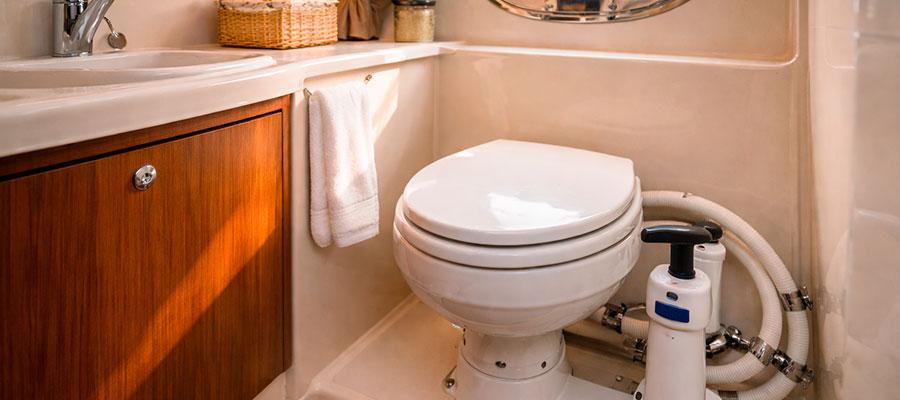
Key Components of a Jabsco Manual Toilet on Your Boat
Know your toilet's main parts. The jabsco pump is the core. It connects to the water intake hose. A discharge hose leads waste away.
The seacock valve controls flow.
Always close it when not sailing. Check rubber parts for wear often. A kit helps with repairs.
Differences Between Manual and Electric Marine Toilets
| Feature | Manual Marine Toilet (Jabsco Twist & Lock) | Electric Marine Toilet (Jabsco Electric) |
|---|---|---|
| Operation | You power the pump assembly with a lever. | A push-button runs the jabsco electric pump. |
| Water Flow | You control the water into the bowl with your stroke. | Delivers a consistent, powerful flush automatically. |
| Installation | Simpler. Needs a seacock and basic hose runs. | More complex. Requires wiring and circuit protection. |
| Maintenance | Often DIY-friendly. A rebuild kit fixes the jabsco pump. | May need professional help for motor or switch issues. |
| Reliability | Highly reliable. Fewer parts mean fewer failures. | Reliant on battery power and electronics. |
| Noise Level | Quiet, just the sound of the lever and water. | Noticeable motor hum during the flush cycle. |
| Best For | Weekend sailors, budget-conscious boaters, simplicity lovers. | Larger vessels, convenience seekers, those with ample power. |
How Fresh Water and Tank Integration Work in Jabsco Models
You can use fresh water into the bowl. It prevents odors from sea water. Connect a hose to the water intake. This feeds the jabsco twist pump. Waste goes to a holding tank.
- Install a vented loop in the discharge hose.
- The waste tank must be vented.
- Use the fit and flip method to rinse.
- Never discharge overboard where illegal.
Installation and Setup of a Jabsco Marine Toilet
First, choose a stable, accessible location. Ensure a solid base is ready. Place the toilet bowl on it. Connect the pump assembly securely. Align the pump assembly with mounting holes. Use the correct bolts and sealant. Check all connections for tightness.
Preparing Your Boat for a Jabsco Manual Marine Toilet Installation
Gather all tools and parts first. Read the manual completely. Find the best location for access. Plan the hose routes carefully. The discharge hose needs a vented loop.
The intake hose must reach seawater.
Ensure the seacock is easily reachable. Dry-fit everything before final installation.
Connecting Fresh Water Supply and Tank Lines Properly
Use only marine-grade hoses for safety. Connect the intake hose to the seacock. Use double hose clamps for security. Secure all hose connections very tightly. Route hoses without sharp bends.
- Install a vented loop in the discharge line.
- Ensure the holding tank vent is clear.
- Keep the discharge hose as short as possible.
- Test for leaks with water immediately.
Securing Bowl and Valve Components for Safe Operation
Fasten the bowl firmly to the floor. Tighten the pump assembly bolts evenly. Ensure the joker valve inside is correctly oriented. Close the seacock valve when testing. Operate the lever to check function.
- Verify the lock lever engages fully.
- Check the rubber components for proper fit.
- Ensure no hose sags or kinks exist.
- Confirm the system holds water without leaks.
Step-by-Step Instructions for Operating a Jabsco Manual Toilet
First, open the seacock valve fully. Lift the pump handle up slowly. Then push it down completely. Repeat this several times. Water will fill the bowl nicely. Continue pumping to flush waste. Finally, close the seacock afterward.
How to Flush: Mastering the Manual Pump Action
Pumping is a simple two-part motion. Pull the lever upward first. This draws in new seawater. Then push it down firmly.
This action pushes waste out directly.
Use full, steady strokes always. Never pump too quickly. This ensures a good seal.
Proper Technique for Operating the Bowl and Valve System
The pump controls both functions. Pulling up brings in water. Pushing down removes waste. The joker valve directs the flow. It prevents backflow effectively.
- Ensure the lock lever is engaged.
- Check the bowl's water level visually.
- Listen for smooth pump sounds.
- A stuck lever means a problem.
Understanding the Role of Each Component During Use
The pump assembly is the heart. The intake hose supplies seawater. The discharge hose carries waste away. The seacock controls the water supply. The joker valve is a one-way gate.
- The bowl holds water and waste.
- The lever activates the pump.
- Hose clamps prevent messy leaks.
- The vented loop stops siphoning.
Jabsco Instruction Guide and Best Practices
Always start with the official guide. Locate the parts diagram first. It shows each component clearly. Study the pump assembly section carefully. Note the hose connection diagrams. Understand the maintenance schedule. Keep the manual in a dry place.
Reading Your Jabsco Manual: Key Sections and Diagrams
The installation section is critical. The exploded diagram is very helpful. It identifies every small part.
Focus on the troubleshooting chart later.
The lubrication instructions are vital. Note the torque specifications. Review safety warnings first. Highlight the part numbers list.
Optimal Water Pressure and Flow for Reliable Flushing
Good flow needs an open seacock. Ensure the intake hose is clear. Steady pump strokes create pressure. Avoid pumping too fast always. Slow, full strokes work best.
- Check for kinks in the hose.
- Clean the intake strainer regularly.
- Debris reduces water flow.
- Proper pressure ensures a clean flush.
Common Operating Mistakes and How to Avoid Them
Never forget to open the seacock. Do not use harsh chemical cleaners. Avoid pumping against a blockage. Closing the seacock after use is essential. This prevents accidental flooding.
- Never force the lever if stuck.
- Always use marine-grade lubricant.
- Do not ignore small leaks.
- Regularly inspect the joker valve.
Maintenance and Care for Your Jabsco Marine Toilet
A little routine care prevents big issues. Inspect the system monthly for wear. Check for cracks in the bowl. Feel for dampness around all connections. Look at the pump lever action. Listen for air sucking sounds. Tighten any loose hose clamps.
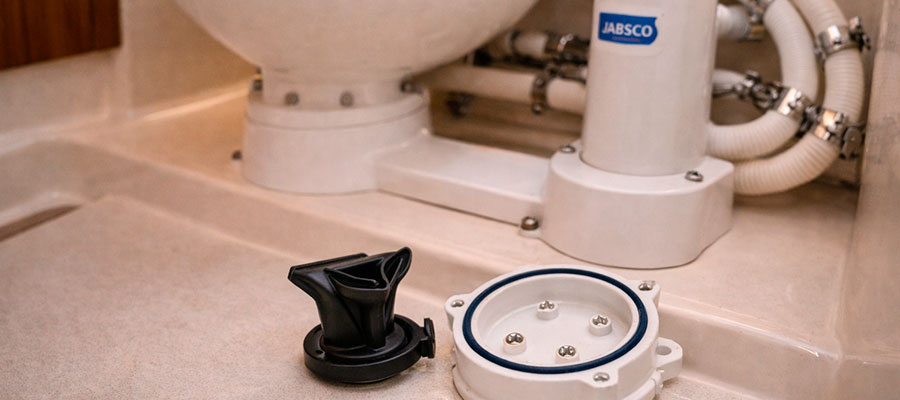
Regular Inspection of Seals, Valves, and Bowl Integrity
Focus on the joker valve first. Replace it every season typically. Examine the pump shaft seal carefully.
Look for mineral buildup on parts.
Ensure the bowl mount is secure. Test the seacock valve operation. Verify the vented loop is clear. A clean system lasts much longer.
Cleaning and Descaling the Fresh Water and Tank Lines
Use only vinegar for safe descaling. Flush the solution through the system. Let it sit for several hours. This dissolves hard water scale effectively. Then flush thoroughly with clean water.
- Never use standard household cleaners.
- They can damage crucial rubber seals.
- Clean the intake strainer every month.
- Rinse the holding tank with freshwater.
Preventing Clogs and Odor Issues in Your Installed System
Use only quick-dissolve marine toilet paper. Pump enough water with every flush. This keeps the hose interior clean. The joker valve is key for odors. Replace it if smells occur.
- Install a proper tank vent filter.
- Pump the bowl completely empty.
- Avoid flushing any foreign objects.
- Regular use actually helps the system.
Troubleshooting Electric and Manual Components
First, check for power on electric models. For manual toilets, feel pump resistance. Listen for unusual sounds or groans. A worn joker valve often causes issues. Inspect electrical connections for corrosion. A good online forum offers helpful advice. Ensure the pump motor runs smoothly.
Diagnosing Weak Flush Performance on Your Jabsco Toilet
First, confirm the seacock is open fully. Check the intake hose for blockages. A clogged strainer reduces water flow. Inspect the pump for internal wear.
The joker valve may be failing.
Old seals lose their suction power. Always use full, complete pump strokes. Never ignore a consistently wet floor nearby.
Addressing Leaks and Water Damage in the Tank Connection
Find the exact source of the leak. Tighten all hose clamps securely first. Replace any cracked or perished hoses. Dry the area completely for inspection. Brands like Xylem manufacture these parts.
- Check the bowl base sealant.
- Inspect the pump assembly gasket.
- Examine the holding tank fittings.
- Look at the water inlet connection.
When to Seek Professional Help for Your Jabsco Marine System
Seek help for major structural cracks. Professional aid is needed for electrical faults. Complex discharge system issues require expertise. Search a trusted forum for local technicians. Strange noises may indicate serious damage.
- When the pump shaft is broken.
- If the entire toilet base is loose.
- For persistent odors despite new valves.
- When you lack proper tools or confidence.

