

Feeling that winter chill inside your vehicle? Starting your Webasto heater shouldn’t be a puzzle. Whether you have a diesel heater for your camper van or an aux heater in your truck, the right steps ensure instant comfort. This guide cuts through the confusion. We’ll walk you through the simple process of turning on your Webasto air top or coolant heater, adjusting the temp, and troubleshooting common hiccups. Forget searching through endless forum posts—here’s everything you need to know for a smooth, warm start every time
Basics of Webasto Heater Operation
A Webasto heater provides independent cabin heating. This auxiliary heater burns diesel or gasoline fuel. Its key heating process involves a combustion chamber and glow plug. A dedicated pump supplies fuel from your vehicle's tank. The control unit manages the entire startup sequence and temperature. Proper installation and wiring are critical for safe operation. It efficiently warms the interior or engine coolant.

Types of Webasto heater and where they’re used
Common types include the Thermo Top and Air Top series. The Thermo Top Evo heats a vehicle's coolant circuit. This provides engine pre-heating and interior warmth. The Air Top 2000 STC is a powerful diesel air heater. It directly warms the cabin air via a fan. Gasoline versions are also available for specific vehicles.
These auxiliary heaters are perfect for trucks, vans, and boats.
They are essential for cold-weather comfort and engine protection.
How the heater, fuel, and coolant circuits work together
The system integration ensures efficient heat output. The fuel circuit uses a small metering pump. It draws diesel from the main tank. The coolant circuit circulates if so equipped. This transfers heat to the engine or radiator.
- The combustion air fan supplies oxygen.
- The glow plug ignites the fuel-air mixture.
- A heat exchanger transfers thermal energy.
- The control unit monitors temperature and voltage.
Safety checks before powering on the Webasto heater
Always inspect the heater before attempting startup. Ensure the fuel supply line is securely connected. Verify the battery voltage is sufficient for the pump. Check that the exhaust outlet is completely unobstructed. A crucial safety step is examining all electrical wiring.
- Disable the heater if you smell fuel.
- Confirm remote control or timer signals.
- Listen for unusual sounds during operation.
- Ensure the installation site is clear of debris.
Using the Main Switch and Controls
Find your Webasto heater's primary control unit. This is often a separate dashboard switch. It may also be a dedicated remote controller. Locate this panel inside your vehicle's cabin. The main switch powers the entire heating system. Ensure you can easily access this control. It is your command center for operation.
Locating the Webasto heater switch or control panel
First, identify the aux heater control panel.
Check your vehicle's dashboard area. Look near the steering column or center console. Some models use a dedicated remote controller. The switch might be labeled 'Webasto' or 'Aux Heat'. Its location varies by vehicle model. Consult your installation manual for guidance. Proper identification is the essential first step.
Turning the heater on and selecting heat mode
Press and hold the main power button. Select the desired heat mode for operation. The device will initiate its start-up sequence. Listen for the fuel pump's quiet clicking sound. Wait for the heater to reach its operating temperature.
The start-up process involves several stages:
- Initial system self-check.
- Fuel pump and fan activation.
- Glow plug ignition.
- Transition to stable combustion.
Adjusting temperature and fan speed during operation
Use the controller to set your preferred cabin temperature. Increase the fan speed for faster warmth distribution. The webasto air top heater efficiently adjusts output. Monitor the temperature display for comfort. Make minor adjustments as needed for optimal performance.
Key adjustable parameters include:
- Target air temperature (temp).
- Interior fan speed levels.
- Optional hot water circuit setting.
- Timer programming for automatic starts.
Starting an Air Heater vs. Coolant Heater
Understand their different heating purposes first. An air heater warms a vehicle's interior space directly. A coolant heater heats the engine's fluid first. This warm fluid then warms the cabin indirectly. Your choice depends on your primary heating goal. This distinction affects the startup procedure slightly. Always confirm your Webasto model type initially.
Typical start sequence for an air‑type Webasto heater
Ensure the vehicle's battery has sufficient charge. Press the controller's power button firmly.
Select the desired heat mode for immediate comfort.
The diesel heater will begin its startup sequence. Listen for the fuel pump's rhythmic clicking sound. The fan will start moving air shortly after. Observe the controller for a confirmation light. Wait for warm air from the ventilation outlets.
Specific steps for activating a Webasto coolant heater
| Step | Action | Key Things to Check & Purpose |
|---|---|---|
| 1. Pre-Start Check | Ensure your vehicle's engine coolant level is adequate. | The heater needs fluid to warm. A low level can prevent start-up or cause damage. Visually check the coolant reservoir. |
| 2. Power On | Turn on the vehicle's ignition to the "ON" or "Accessory" position. | This provides electrical power to the heater's control unit and circulation pump, which is essential for the first step. |
| 3. Activate the Heater | Press the main power button on your Webasto remote or dashboard controller. | This sends the start command. You may need to hold the button for 1-2 seconds until an indicator light illuminates. |
| 4. Select Mode | Choose the heating mode (often a flame symbol) for engine and interior warming. | This tells the heater to prioritize warming the engine coolant circuit, which will then provide cabin heat via your vehicle's vents. |
| 5. Monitor Start-Up | Listen and watch for normal operation signs. | A faint hum from the pump and a quiet, regular clicking from the fuel pump under the vehicle. Watch for: A steady indicator light (not flashing) on the controller. |
| 6. Verify Operation | Feel for warm air from your vehicle's interior vents after 5-10 minutes. | Warm air confirms the coolant is being heated and successfully circulating through your vehicle's standard heater core. |
| 7. Automatic Shutdown | When finished, press the power button to turn the unit off. | The heater will run a brief cool-down cycle (fan running) to dissipate residual heat. Never disconnect the battery during this phase. |
Warm‑up time and what indicators to watch for
Normal warm-up takes roughly five to ten minutes. Watch the controller for a steady operation light. Listen for the system's sound to become consistent. Feel for the first wave of heat output. Check the forum for your specific model's timing.
Important operational indicators are:
- Stable green light on the controller.
- Consistent, low hum from the heater.
- Gradual rise in air temperature.
- No error or flashing warning symbols.
Shutting Down and Restarting the Heater
Turning off your heater correctly is vital. Use the control switch to start the shutdown process. Do not just disconnect the battery power. Let the system complete its automatic cool-down cycle. This protects the heater from potential damage. Proper procedure ensures long-term reliability. Always follow the manufacturer's shutdown steps.
Proper shutdown procedure using the control switch
Press and hold the power button briefly. The heater will then initiate its shutdown sequence.
The control switch properly initiates a controlled stop.
The combustion fan will continue running afterward. This critical phase expels residual heat safely. Listen for the fan to stop automatically. Wait for all indicator lights to turn off. Only then is the Webasto diesel heater fully off.
Cool‑down cycle and why you shouldn’t cut battery power
The fan runs during this essential cool-down period. It prevents dangerous overheating of internal components. Abruptly cutting battery power stops this fan. This can cause severe heat damage inside. It may lead to costly repair needs.
Key reasons to avoid cutting power include:
- Prevents component overheating and warping.
- Allows proper ventilation of combustion chamber.
- Ensures fuel valves close correctly.
- Protects the electrical control unit.
When it’s safe to restart the Webasto heater after stopping
Wait for the complete end of the cool-down cycle. All audible operation sounds must have ceased. The controller should show no active indicators. The system is then in a standby state. You may safely begin a new start sequence.
Confirm these conditions before restarting:
- Controller display is blank or in standby.
- No fan or pump noise is audible.
- At least two minutes have passed.
- The vehicle's battery voltage is stable.
Basic Troubleshooting When the Heater Won’t Start
Start with the simplest potential issues first. Verify the control unit has electrical power. Ensure the vehicle's main power source is active. Check the main switch on the dashboard. Listen for any fuel pump priming sounds. A silent system often lacks basic power. This is your first and most logical check.
Checking power supply, fuses, and main switch status
Inspect your vehicle's battery charge level first. A weak battery prevents a proper start. Locate the heater's dedicated fuse in the box. Check this fuse visually for a broken wire.
Confirm the main switch status is correctly set to 'on'.
Also verify all wiring connections are secure. Faulty installation can cause power problems. These basic electrical checks solve many start failures.
Common lockout causes and basic reset options
The heater can enter a safety lockout mode. This often follows several failed start attempts. A flashing error light usually indicates this. You must clear the fault code memory. Turn the heater's power off completely.
Key reset steps typically involve:
- Disconnecting the battery for several minutes.
- Powering the entire vehicle system down.
- Reconnecting power and restarting the heater.
- Observing if normal operation resumes.
When to inspect fuel or coolant flow problems
Suspect fuel issues if the heater attempts starting. It may fire briefly but then shut down. Check for adequate fuel in the main tank. Inspect the dedicated fuel line for air bubbles. For coolant heaters, verify the fluid level.
Consider these checks if power is confirmed:
- Listen for the fuel pump's distinct clicking.
- Check for kinks in the supply hose.
- Ensure the fuel pickup is not blocked.
- Verify coolant circulation pump operation.
Maintenance Tips for Reliable Starting
Prevent starting problems with regular simple care. Follow a seasonal check routine before winter. This guarantees heat when temperatures drop. Maintenance ensures immediate and dependable starts. Avoid inconvenience from an unprepared heater. Proactive checks are the best strategy. Reliable operation depends entirely on your attention.
Routine checks to keep your Webasto heater ready
Test your battery's voltage before using the heater. Ensure all power wire terminals are tight. Look for any wetness near the fuel line. Confirm the exhaust path is free from blockages.
Keep your heater ready for immediate activation with diligence.
Operate the unit for five minutes monthly. This simple run prevents internal seizing. Consistent activity is key for component health.
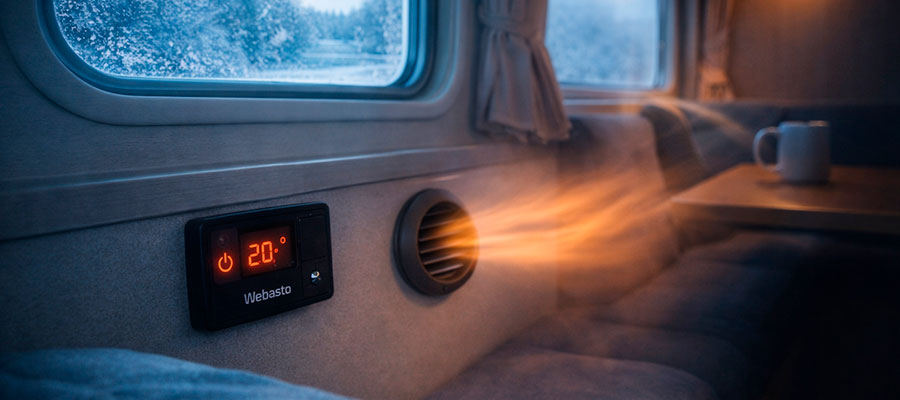
Cleaning air inlets, exhaust, and electrical connections
Dirty intakes disrupt the critical air supply. Clean the fresh air inlet screen with a brush. Remove any nests or leaves from the exhaust. Inspect the control unit plug for green corrosion. Secure any loose wiring from the original install.
Essential items for your cleaning checklist are:
- The heater's combustion air intake filter.
- The exterior exhaust pipe opening.
- All terminals on the power relay.
- The ground connection point.
When to consult the manual or a service technician
Your first resource should always be the manual. Contact a certified technician for flashing faults. Never open the sealed fuel metering pump. Professional help is needed for combustion issues. Complex diagnostics require expert tools and knowledge.
Seek a specialist immediately for:
- Any error code you cannot clear.
- Suspected problems from the initial installing a Webasto.
- A persistent smell of diesel fuel.
- Complete lack of ignition during startup.

