


ID
1351256
1-2 weeks delivery time
Our managers will contact you and clarify the terms of the order
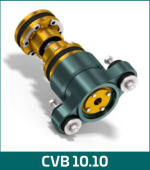
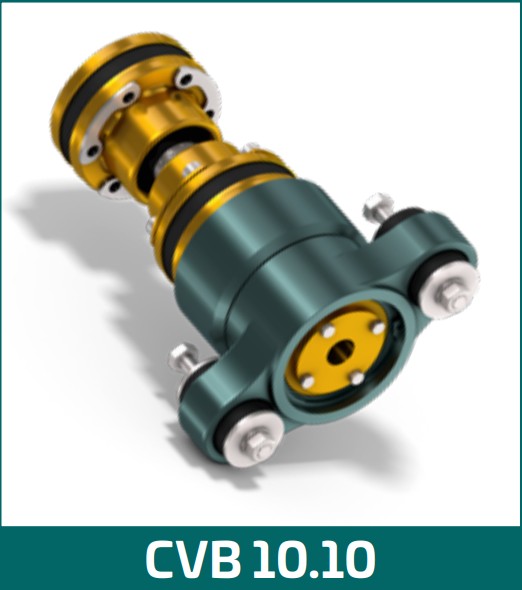
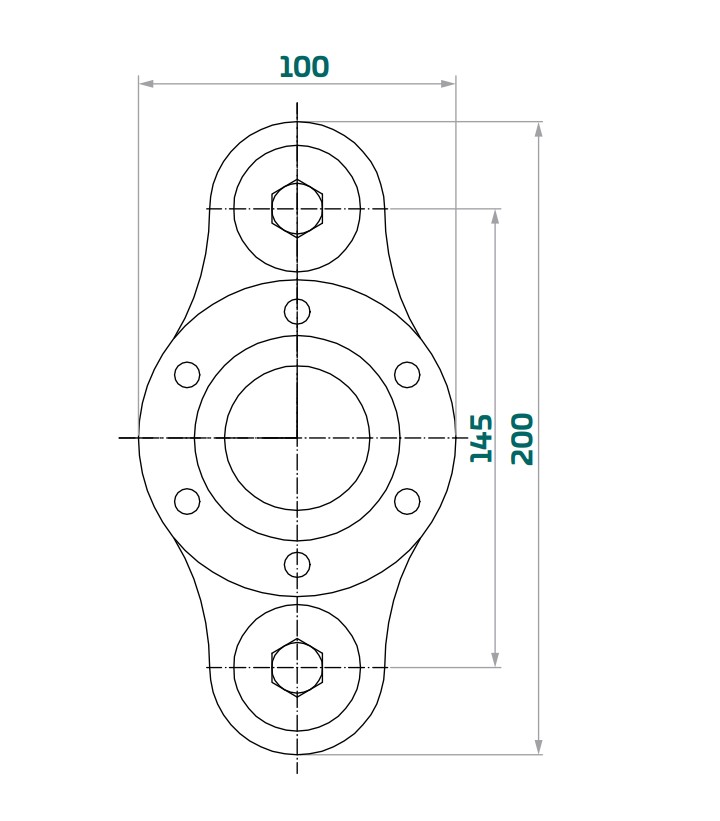
The Aquadrive CVB10.10 Moduline B10 is a marine anti-vibration propulsion system combining a CV shaft, thrust bearing, and gearbox adapter. It isolates engine vibration and transfers propeller thrust to the vessel structure rather than the gearbox. Maximum torque 1300 Nm, maximum shaft speed 4000 rpm, and maximum continuous thrust 11 kN.
- Description
- Ask a Question
-
Aquadrive CVB10.10 – Moduline B10 Anti-Vibration CV Shaft System
The Aquadrive CVB10.10 Moduline B10 is an anti-vibration marine propulsion system designed to isolate the engine from propeller forces and vibration. By transferring propeller thrust through a dedicated thrust bearing mounted to the vessel foundation, the system reduces stress on the gearbox and improves onboard comfort.
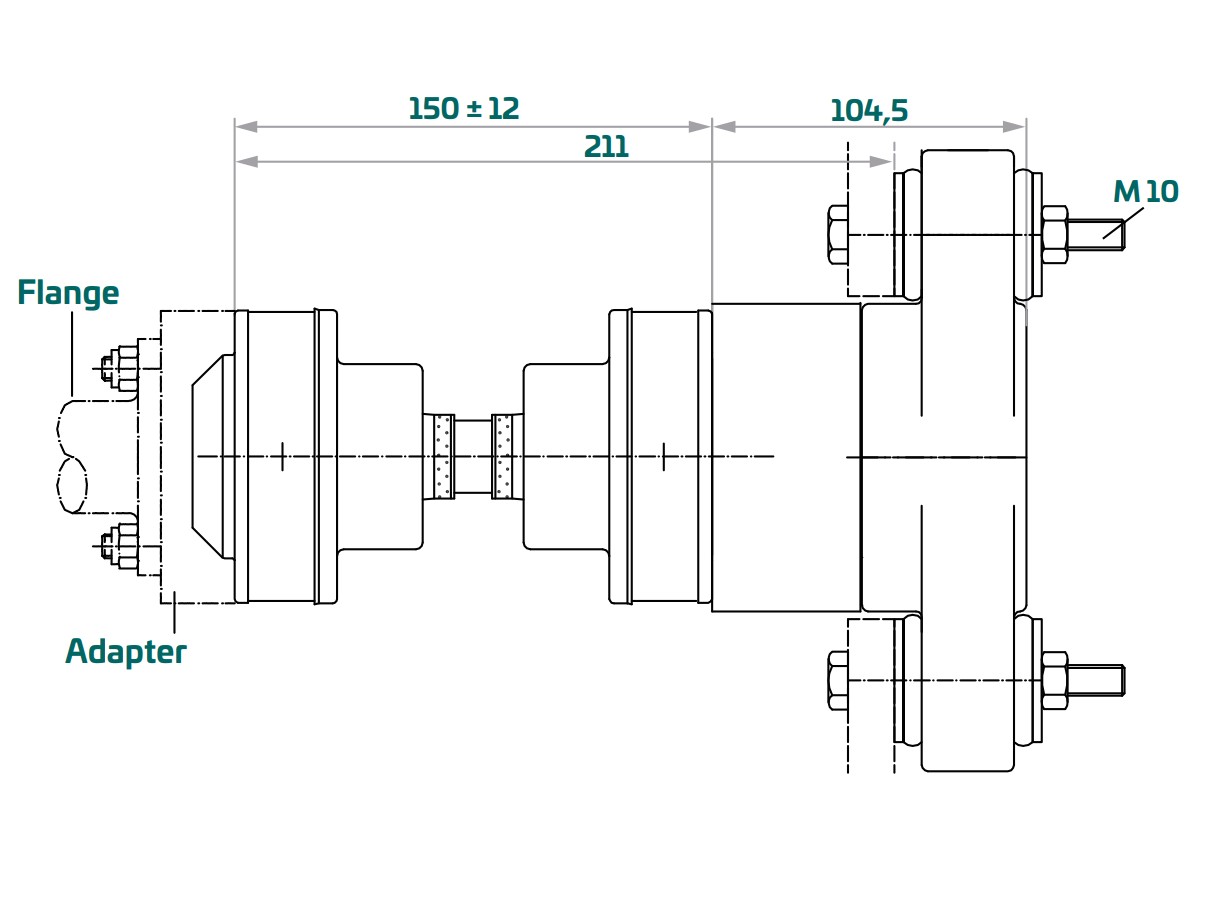
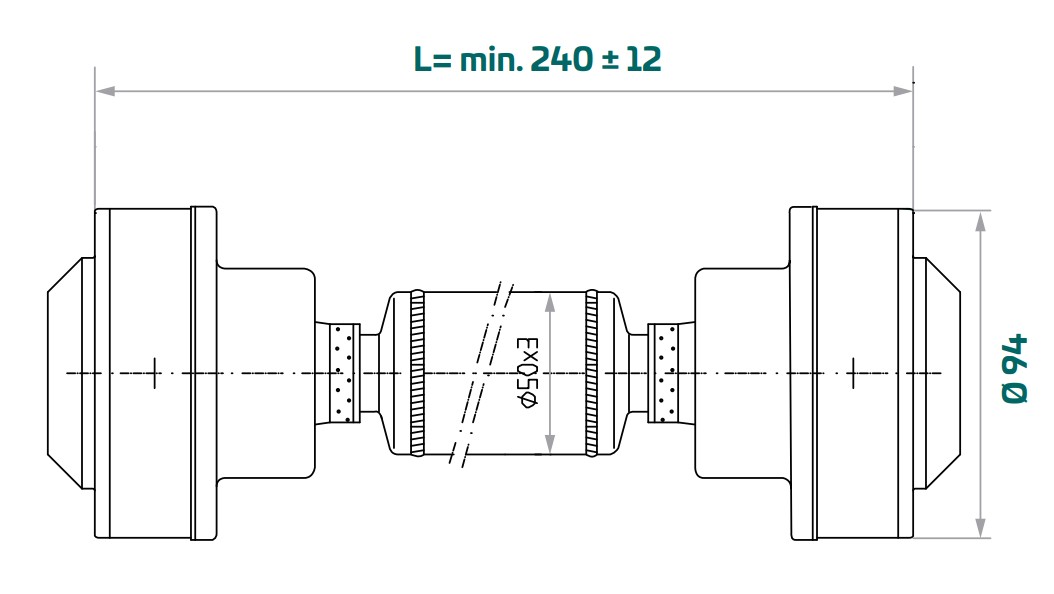
The Aquadrive system combines a constant velocity (CV) shaft, a thrust bearing, and adapter connections to create a flexible drivetrain installation. The CV shaft includes two universal joints connected by a floating shaft, allowing axial and radial movement while maintaining smooth torque transmission.
Thanks to the Moduline modular design, installation length can be reduced significantly while maintaining strength and reliability. This modular construction also simplifies engine alignment and installation in confined engine compartments.
Main Components
- Constant velocity shaft (CV joint assembly)
- Thrust bearing with rubber suspension
- Gearbox adapter flange
- Shaft sleeve connection
Technical Specifications
Model CVB10.10 System Type Aquadrive Moduline B10 Maximum Static Torque (ØA = 1") 1300 Nm / 969 lbft Maximum Propeller Shaft Speed 4000 rpm Maximum Continuous Propeller Thrust 11 kN / 2475 lbf Minimum Driveshaft Length 240 ± 12 mm (tube shaft design)
Typical Applications
Vessel Type Rated Power Crankshaft Speed Gearbox Ratio Planing Boat 62 kW (85 hp) 3800 rpm 2.0 : 1 Sailing Boat 55 kW (75 hp) 3800 rpm 2.6 : 1 Displacement Motorboat 40 kW (55 hp) 2600 rpm 3.0 : 1
Propeller Shaft Options
The B10 standard version supports the following propeller shaft diameters:
- 3/4"
- 20 mm
- 22 mm
- 7/8"
- 25 mm
- 1"
- 1 1/8"
- 30 mm
- 1 1/4"
- 32 mm
- 35 mm
- 1 1/2"
- 40 mm
Oversize version with external clamp mechanism supports:
- 1 3/4"
- 45 mm
- 50 mm
- 2"
Notes
Rated application examples are based on optimal operating conditions with approximately 2° joint angle for each CV joint. If the operating angle exceeds 2°, the maximum permitted power should be reduced by approximately 8–9% for each additional degree.
The maximum allowable joint angle typically ranges between 4° and 8°, depending on propeller shaft speed.
-
Popular products