

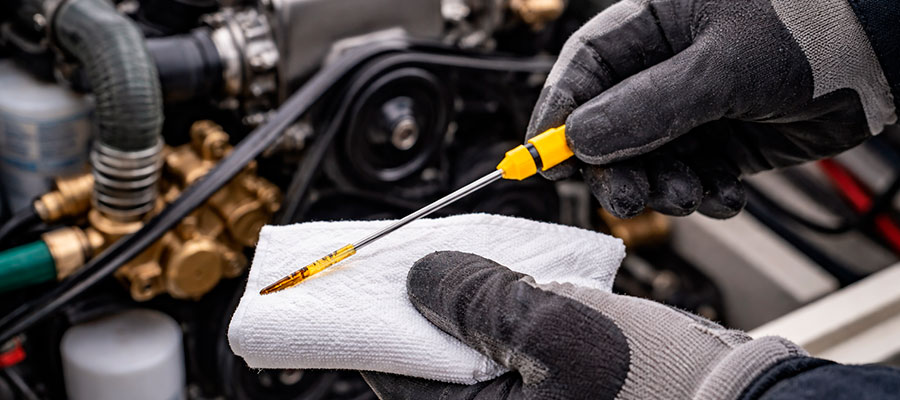
Regular upkeep prevents breakdowns and extends your boat's life. Check engine oil monthly and change it every 100 hours.
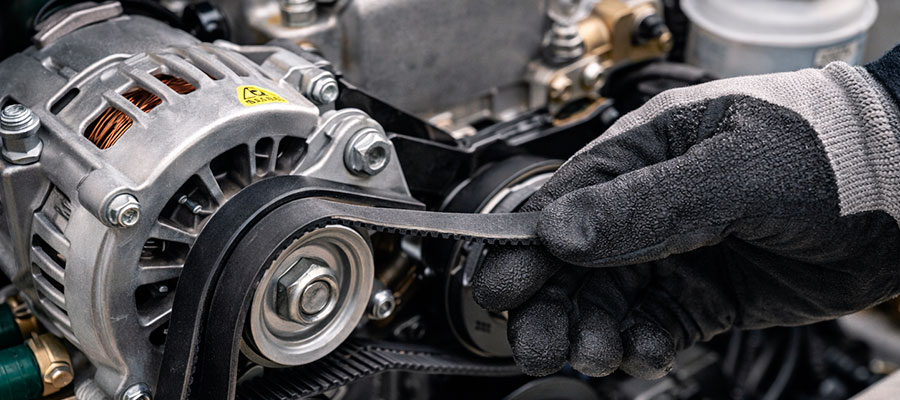
Inspect coolant levels before each outing during summer months. Clean seawater strainers after every trip to avoid clogs. Examine belts for wear and proper tension each season. Lubricate steering components to maintain smooth operation. Test bilge pumps weekly to ensure they work when needed. Replace impellers annually to prevent cooling system failures.
Keep fuel tanks full to minimize condensation buildup. Wipe down the engine bay to spot leaks early. Winterize thoroughly if you live in cold climates. Simple habits save you from costly repairs later.
Complete Inboard Engine Care: Oil Changes, Cooling & Fuel System Maintenance
Boat engine care and maintenance keeps your inboard boat running smoothly. Follow these maintenance steps to avoid costly engine problems. Change oil every 100 hours or seasonally—this is part of normal maintenance for any inboard boat. Use marine-grade oil for better protection, especially during peak boating season.
Flush the cooling system with fresh water after use to prevent buildup—hull maintenance matters too. Check hoses for cracks or leaks regularly; these maintenance checks ensure your boat is ready for the next trip. Replace fuel filters before they clog, and stabilize fuel to prevent gum buildup.
A statement regarding vessel maintenance: proper care extends engine life and improves the overall boating experience. Don’t forget boating safety basics like checking life jackets—it’s not just about the boat but also your protection. By following these maintenance procedures, your boat ensures reliability season after season.
How often should I change the engine oil in my inboard boat?
Change the oil every 100 hours or annually. Check your boat's engine manual for specifics. Dark, gritty oil means change now. Saltwater use requires more frequent maintenance. Write dates on filters for tracking. Summer boaters might need mid-season changes. Fresh oil ensures optimal performance. Don't wait for engine trouble. This simple task prevents big repairs. Your mechanic will thank you.
What are the recommended maintenance tasks for the cooling system?
Quick checks prevent future problems. Regular maintenance after each outing saves money. Focus on these key areas.
Post-trip checklist:
- Check bilge for water
- Inspect hull for damage
- Verify engine oil level
- Look for fuel leaks
- Test navigation lights
- Clean debris from props
- Check battery connections
- Secure all hatches
How to properly inspect and maintain the fuel system?
Dirt and salt cause wear. Boat maintenance includes proper cleaning routines. Follow these steps for protection.
Cleaning essentials:
- Rinse with fresh water
- Wash decks weekly
- Wax hull quarterly
- Clean upholstery regularly
- Scrub non-skid areas
- Treat metal fittings
- Flush engines after use
- Store covered when dry
What does an annual maintenance checklist for an inboard boat include?
An annual checklist keeps your inboard engine running smoothly. Start by changing the engine oil and filter. Inspect the cooling system for leaks or blockages. Check the fuel filters and replace them if dirty. Test the battery voltage and clean terminals. Examine belts and hoses for cracks or wear. Lubricate all moving parts, like throttle linkages. Flush the engine with fresh water after saltwater use. Verify the propeller shaft alignment for vibrations. Tighten loose bolts and fittings to prevent failures. Store records of all maintenance for future reference.
Which parts should be inspected during annual maintenance?
Thorough checks catch problems early. Annual maintenance covers all critical components. Don't overlook these areas.
Key inspection points:
- Steering system
- Propeller shafts
- Through-hull fittings
- Electrical connections
- Bilge pumps
- Engine mounts
- Control cables
- Safety equipment
How to check for signs of wear and corrosion?
Early detection saves money. Regular inspection and maintenance prevents major repairs. Look for these warning signs.
Wear indicators:
- Rusted fittings
- Cracked hoses
- Worn belts
- Pitted metal
- Loose connections
- Chafed wires
- Delaminated surfaces
- Corroded terminals
What manufacturer's recommendations should boat owners follow?
Always consult your engine manual first. Each model has unique maintenance needs. Follow the recommended service intervals exactly. Special care instructions apply to some components. Dealers know common issues for your engine. Ignoring guidelines may void warranties. Stick to the schedule for reliability. Proper care prevents most breakdowns. Well-maintained engines last decades. Your manual is the best guide.
How can I prevent corrosion damage to my inboard boat?
Rinse the engine with fresh water after every trip. Apply corrosion inhibitor spray on metal components. Keep electrical connections clean and coated with dielectric grease.
Check sacrificial anodes and replace them if worn. Avoid letting saltwater sit on engine parts. Dry bilge areas to prevent moisture buildup. Use anti-corrosion lubricants on hinges and latches. Inspect painted surfaces for chips and touch them up.
Store your boat in a dry, covered space. Regular checks stop small issues from becoming big problems.
What are effective corrosion prevention techniques for the hull?
Wash salt off after every trip. Apply fresh antifouling paint seasonally. Install sacrificial zinc anodesproperly. Keep the bilge dry always. Inspect for scratches monthly. Store out of water if possible. Use corrosion inhibitor on metal parts. Check for marine growth often. Prevention beats costly hull repairs. A clean hull performs better.
How to inspect and maintain hoses to prevent leaks?
| How to Inspect & Maintain Hoses | Maintenance Tips |
|---|---|
| Check for cracks, bulges, or soft spots. | Perform regular inspection before each trip. |
| Look for leaks or dampness around fittings. | Tighten loose clamps during engine maintenance. |
| Squeeze hoses to check for brittleness. | Replace stiff or cracked hoses immediately. |
| Ensure hoses are securely clamped. | Follow the recommended maintenance schedule. |
| Watch for oil or fuel degradation. | Keep your boat running smoothly with care. |
What maintenance is required for electrical components?
Reliable power keeps you safe. Battery maintenance ensures systems work when needed. Follow these electrical care steps.
Electrical maintenance:
- Clean terminals
- Check connections
- Test voltage
- Inspect wiring
- Protect from moisture
- Verify grounds
- Charge properly
- Replace old batteries
What routine maintenance should be performed after each boating trip?
Flush the engine with cooling water to remove salt. Wipe down all exterior surfaces to prevent grime buildup. Check the bilge pump for proper operation. Inspect the propeller for dings or fishing line. Remove debris from the raw water intake strainer. Top off fuel to reduce condensation in the tank. Tighten any loose clamps or fasteners. Clean and dry upholstery to avoid mildew. Look for leaks around hoses and fittings. A quick post-trip routine extends your boat’s life.
How to properly flush the engine after use?
Salt and debris cause damage. Optimal engine performance requires proper flushing. Do this after every outing.
Flushing procedure:
- Connect freshwater supply
- Start engine
- Run at idle
- Monitor water flow
- Flush for 10 minutes
- Drain completely
- Disconnect hoses
- Dry components
What are important post-trip inspection points?
Quick checks catch problems early. Regularly check these areas after each outing. Proper post-trip care reduces the risk of future issues.
Key inspection points:
- Engine oil level and condition
- Coolant levels in reservoir
- Bilge area for water
- Propeller for damage
- Steering system operation
- Fuel system leaks
- Battery connections and charge
- Navigation lights function
How to keep your boat clean to prevent long-term damage?
Clean boats last longer. Boat care should include these cleaning steps. Proper maintenance ensures enjoyable boating experience.
Essential cleaning routine:
- Rinse saltwater off immediately
- Wash decks weekly
- Wax hull quarterly
- Clean upholstery regularly
- Scrub non-skid surfaces
- Treat metal fittings
- Flush engines after use
- Store covered when dry
How do I maintain the propeller and drive system?
Inspect the propeller blades for nicks or bends. Lubricate the propeller shaft with marine-grade grease. Check the drive belt tension and adjust if loose. Test the steering system for smooth movement. Remove fishing line wrapped around the shaft. Ensure the propeller nut is securely fastened. Look for oil leaks near the gearbox. Spin the propeller by hand to feel for resistance. Replace worn seals to prevent water intrusion. Proper care keeps your drive system efficient.
When should I replace the impeller in my inboard boat?
Worn impellers cause overheating. Inboard boat's cooling system needs this replaced regularly. Watch for these signs.
Replacement indicators:
- Reduced water flow
- Overheating issues
- Visible wear on vanes
- Annual time interval
- Broken pieces in housing
- Stiff or cracked rubber
- After running aground
- Manufacturer's recommended hours
What signs indicate propeller maintenance is needed?
| Signs Propeller Maintenance Is Needed | Related Maintenance Tips |
|---|---|
| Vibrations during operation. | Regularly inspect the propeller. |
| Reduced engine performance. | Follow the manufacturer’s maintenance schedule. |
| Dings, cracks, or bent blades. | Keep the boat in top shape with proper maintenance. |
| Unusual noises while running. | Check the propeller regularly for damage. |
| Difficulty accelerating. | Perform basic maintenance tasks often. |
| Excessive fuel consumption. | Stick to a recommended maintenance program. |
| Poor handling in water. | Protect your boat with regular care. |
How to inspect the drive shaft and alignment?
Proper alignment prevents vibration. It's recommended to check annually. Look for these potential issues.
Inspection points:
- Check coupling alignment
- Inspect shaft for straightness
- Look for worn bearings
- Verify seal condition
- Monitor vibration levels
- Check grease levels
- Examine keyway
- Test play in bearings
What are essential maintenance tips for winterizing an inboard boat?
Add fuel stabilizer to prevent gas degradation. Drain all cooling water to avoid freezing damage. Fog the engine cylinders with protective oil spray. Disconnect the battery and store it indoors. Change the oil and filter before storage. Remove moisture by leaving compartments open. Clean and wax the hull to protect the finish. Cover the boat with a breathable tarp. Store it in a dry, elevated location. Winterizing prevents costly repairs in the spring.
How to properly prepare the engine for storage?
Flush completely with freshwater first. Add fuel stabilizer to a full tank. Fog cylinders to prevent rust. Change all filters before storing. Disconnect the battery terminals. Drain all cooling water fully. Document your winterization steps. Cover the engine to keep clean. Proper storage prevents spring headaches. Your engine will start easier.
What fuel system maintenance is necessary before winter?
Winter prep prevents fuel issues. Following is recommended maintenance for cold storage. Don't skip these steps.
Winter fuel care:
- Stabilize fuel
- Fill tank
- Change filters
- Inspect lines
- Check vents
- Drain water separator
- Run stabilized fuel through
- Label as winterized
How to protect the hull during off-season storage?
Winterizing your boat properly is part of inboard care that protects your investment. Start by using proper boat supports to prevent hull stress when stored away from the boat. Hull maintenance begins with cleaning thoroughly before storing—remove all marine growth to avoid damage.
Apply protective wax coating beforehand to keep your gel coat shiny. Inspect the hull for damage early so repairs don’t delay spring launches. Cover securely with breathable material to prevent trapped moisture—check for moisture buildup monthly.
Indoor storage works best, but if outside, ensure covers are snug. Don’t forget basics like checking life jackets and regular engine care too.

