
Anodes for aluminum boats, commonly known as sacrificial anodes, are essential for preventing corrosion on aluminum hulls and other submerged metal parts. These anodes are typically made of materials like zinc, magnesium, or aluminum, which corrode more easily than the boat’s aluminum components.
|
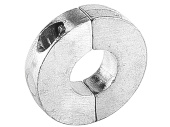
1-2 weeks delivery time Talamex Aluminum Shaft Collar Anodes offer reliable corrosion protection for propeller shafts in freshwater environments. These ring-shaped anodes are easy to install and provide essential defense against electrolysis. Ensure a perfect fit by specifying the shaft diameter.
|
$ 21.48
Diameter, mm:
| ||
|
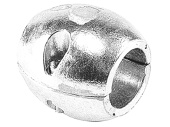
1-2 weeks delivery time Talamex Aluminum Shaft Ball Anodes provide optimal corrosion protection for propeller shafts in freshwater. These oval-shaped anodes ensure the durability of your vessel, extending its life by preventing electrolysis damage. Specify shaft diameter for precise fitting.
|
$ 29.46
Diameter, mm:
| ||
|
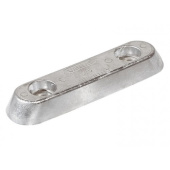
1-2 weeks delivery time Vetus ALU Aluminum Bolt-On Hull Anodes provide reliable corrosion protection in fresh water. Made from aluminum-indium-zinc alloy (Mil-A-24779), they meet US military standards. Available in 0.45 kg, 1.1 kg, and 2.2 kg sizes, with attachment components sold separately. Ideal for fresh water use, with faster wear in saltwater.
|
$ 62.63
Weight, kg:
| ||
|
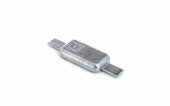
1-2 weeks delivery time Vetus WOA Aluminum Weld-On Hull Anodes offer reliable corrosion protection for vessels navigating inland (fresh) waters. Made from high-quality aluminum-indium-zinc alloy (Mil-A-24779), they are available in rectangular and teardrop shapes. These anodes are ideal for use in fresh water and are highly resistant to erosion, ensuring continuous protection. Available in multiple sizes and weights.
|
$ 22.67
Type:
Weight, kg:
| ||
How do anodes for aluminium boats protect the hull from corrosion?
Anodes for aluminium boats protect the hull from corrosion by preventing galvanic corrosion, a process where dissimilar metals in contact with water cause one metal to corrode faster than the other. Typically made from materials like zinc, magnesium, or aluminium, these anodes are more reactive than the boat’s hull, sacrificing themselves to corrode first. In saltwater and brackish water environments, using the right anode material, such as magnesium for fresh water or zinc for saltwater, offers better protection for the boat’s hull, propeller shafts, and rudders, extending the lifespan of the boat’s metal components.
What are the benefits of using magnesium anodes over zinc anodes in freshwater environments?
Magnesium anodes offer better cathodic protection in freshwater environments compared to zinc anodes. Magnesium is more reactive and provides stronger protection against corrosion, especially for boats operating in fresh or brackish water where zinc may not perform as effectively. Additionally, magnesium anodes have a higher efficiency in preventing corrosion on aluminum hulls, offering a longer lifespan and better overall protection for metal components like stainless steel fittings.
How often should you inspect and replace aluminum anodes to ensure optimal protection against corrosion?
Aluminum anodes should be inspected at least once a season, particularly if the boat is used in salt or brackish water, as these environments accelerate corrosion. The anodes should be replaced when they have worn down to about 50% of their original size to ensure continued protection. In some cases, if the boat is used in areas with heavy exposure to saltwater, more frequent inspections may be necessary to prevent damage to the hull and other metal components.