
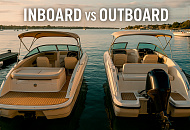
Choosing between an inboard and outboard motor is one of the biggest decisions any boater will make. Whether you're planning peaceful lake cruises, saltwater fishing trips, or watersport adventures, your engine type will impact everything from performance and handling to storage, maintenance, and even how much deck space you have left for your cooler.
Inboard engines are typically mounted inside the hull, offering quieter operation, a lower center of gravity, and more streamlined aesthetics. Outboard motors, on the other hand, are bolted to the transom and are known for easy access, better maneuverability, and simple maintenance.
But which motor is right for your boat—or your boating style?
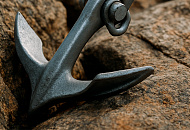
Choosing the best anchor for a rocky bottom can mean the difference between a peaceful day on the water and a stressful drift into disaster. For every boater, choosing an anchor isn't just about weight—it's about anchor type, holding power, bottom types, and how easily you can retrieve it. The right anchor for a rocky bottom needs to grip cracks and crevices, resist dragging, and release without wrecking your deck or back.
Let’s dig into how to choose the best anchor for your boat when anchoring in rugged underwater terrain.
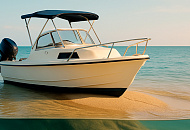
Stay calm—panicking makes the situation worse. Stop the engine immediately to prevent further damage. Check all passengers for injuries before taking action.
Assess the hull for leaks or visible damage. Shift weight away from the impacted area if possible. Try pushing off gently if the bottom is soft. Use a paddle or pole to test water depth around the boat. Avoid revving the engine while still grounded—it worsens the problem. Signal for help if you can't free the boat safely.
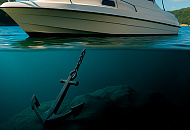
Anchoring is essential for boat safety — but doing it in the wrong spot can be dangerous. Choosing the wrong location may cause the boat to drift, drag the anchor, or even collide with another boat or obstacle. Always assess water depth, wind or current, bottom type, and traffic before you lower the anchor. Avoiding high-risk areas is just as important as using the right gear.
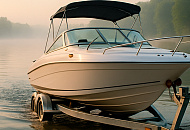
Backing up a trailer feels tricky at first, but with the best advice, you’ll master it. Keep your hands at the bottom of the steering wheel for better control—this allows you to back up smoothly. Remember that the trailer responds opposite to your turns: if you steer left, the trailer will go right, and vice versa. Turn the wheel slowly in the direction you want the trailer to go left or right.
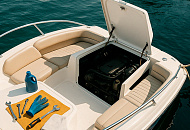
Keeping your inboard boat in top shape doesn’t have to be overwhelming. With the right boat maintenance tips, a solid maintenance schedule, and just a few minutes each week, you can keep your watercraft clean, safe, and performing like new. This guide covers all the recommended maintenance for an inboard boat—what to do daily, seasonally, and even every 100 hours. Whether you're a seasoned ship owner or just diving into boat ownership, these practical maintenance tips will protect your investment and extend the life of your boat.
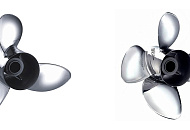
What’s the Difference Between 3-Blade and 4-Blade Propellers?
Understanding the number of blades on a prop might seem like minor trivia—but when it comes to your boat’s performance, the right blade prop makes a huge difference.
Blade area, drag, and how the propeller interacts with water all affect how your boat handles. A 3-blade propeller usually has less blade area, which means less drag and higher top speed. A 4-blade propeller, on the other hand, offers more surface to push water—better hole shot, low speed handling, and often smoother rides in rough water.
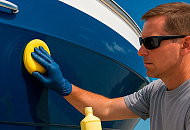
Waxing your fiberglass boat offers many benefits. It helps protect the surface from damage. A good wax adds a shiny finish.
This keeps your boat looking its best. Regular waxing prevents fading from UV rays. The process is simple and straightforward. Start with a clean surface for best results. Choose a quality wax made for fiberglass. Apply wax in a shaded area for effectiveness.
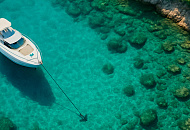
Choosing the right bottom type is key to good holding power. Anchors behave differently depending on where you drop the anchor. The best seabeds allow the anchor to penetrate the bottom and stay firm as the chain pays out. Before anchoring, review nautical charts, check weather conditions, and look at your anchor type. If you want to anchor safely and stay in place, always anchor your boat based on bottom conditions.
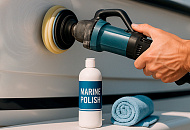
A showroom shine starts with proper washing techniques. Use marine-grade soap to avoid damage. Always work in shaded areas to prevent streaks.
Start by removing surface debris with a soft brush. Focus on waterline grime with specialized cleaners. Dry thoroughly with microfiber towels to avoid spots. For oxidized surfaces, use a quality compound first. Apply with a dual-action polisher for even coverage. Follow with protective wax to seal the finish.
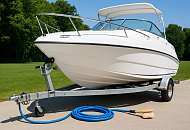
Cleaning your boat regularly helps prevent the spread of aquatic nuisance species. These species can disrupt local ecosystems and harm native wildlife. Knowing when to clean your boat makes all the difference.
Ideally, clean your boat after every outing on the water. Removing dirt and debris stops invasive species from hitching a ride. Pay attention to the hull, propeller, and any other submerged parts. Focus on areas that might trap organisms or mud. Schedule deep cleanings during the off-season for best results.
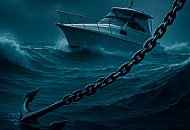
Anchoring mistakes can damage your boat and the marine environment. Always check the seafloor conditions before dropping anchor. Avoid rocky bottoms that may snag or fray lines. Never anchor in seagrass beds—they shelter fragile ecosystems.
Steer clear of crowded anchorages to prevent tangled ropes. Don’t rely solely on your depth finder—verify manually. Skipping a scope calculation often leads to dragging. Always account for tide changes when setting anchor.

How Do I Name My Boat? The Best Boat Name Ideas
Naming your cool first boat is more than just a task. It's a craft. It's a chance to showcase your personality, humor, and style. Whether you own a yacht or a raft, the name for your boat reflects who you are.
"Your boat's name is your vessel's identity on the water," says Diane, an avid sailor. From classic to comical, there’s a name that resonates with every boat owner. Ready to get started? Let’s dive in!
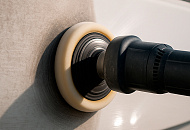
Buffing a boat enhances its appearance. A shiny surface attracts attention. Start by gathering your supplies. You will need a buffer, polish, and cloths.
Choose a day with good weather. Wash the boat to remove dirt. Dry the surface completely before buffing. Apply polish to the buffer pad. Work in small sections for best results. Use even pressure while buffing.
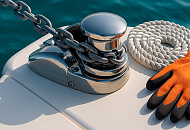
Pulling up anchor doesn’t need to be a struggle. The right technique saves time and effort. Start by positioning your boat directly above the anchor. This reduces strain on the line. Gently motor forward to break the anchor free. Use slow, steady pressure—no jerking. Keep tension as you retrieve the rode.
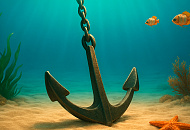
Anchoring keeps a boat secure and prevents drifting. The right technique depends on water depth, wind, and bottom type. Lower the anchor slowly, let out enough rode, and allow the boat to drift back. Set the anchor by pulling the line and securing it to a bow cleat. Monitor movement to ensure it holds. If the anchor drags, reset it in a better location.
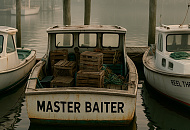
Naming your boat is a rite of passage, much like getting your first tattoo—but hopefully with fewer regrets. Some boaters aim for elegance, others for nostalgia, but then there are those who set out to offend just about everyone at the marina.
So, what makes a boat’s name cross the line from funny to "You may not contain that in your registration form"? And does the Coast Guard really care if you name your vessel Wet Dream? Let’s dive in.
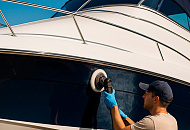
Keeping your boat protected and shiny matters. Wax creates a shield against sun and salt. Start by washing the hull thoroughly. Dry it completely before applying wax.
Use circular motions for even coverage. Buff off excess with a clean cloth. Marine-grade wax lasts longer than car products. Focus on high-wear areas first. Reapply every few months for best results.

Sailors have long feared bananas on ships. This superstition dates back centuries. Many believe bringing them aboard invites disaster.
Some link it to spoiled cargo from old trade routes. Others blame toxic spiders hiding in bunches. The fruit’s quick decay may have fueled fears. Ships carrying bananas often met strange fates. Crews reported unexplained mishaps or vanishing cargo. The myth persists even in modern times.
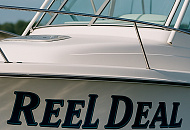
When you get a new ship or a sailboat, the first decision isn’t about the engine or gear — it’s about the name. Your boat name says a lot about you. It’s a reflection of your personality, your sense of humor, and the adventures you’ll have. A great boat name is a way to stand out and add some fun to the open seas. And there are countless options to get the right one!