
A boat propeller is a crucial component in the propulsion system of a boat, responsible for converting the engine's rotational power into forward or backward thrust. They come in various sizes and styles, each designed to match specific boat types and performance needs. The design of the propeller affects the boat's speed, handling, and fuel efficiency, making its selection important for optimal boat performance. In our online shop, we stock a variety of options to match your boat's specifications. Ensure you choose the right hub and bearing for a smooth fit and operation, whether you need a right-hand (RH) prop or another configuration. Our knowledgeable customer support team is ready to assist you in finding the perfect propeller to enhance your boat's performance and reliability.
|
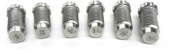
1-2 weeks delivery time The Max Prop M10 adjusting bolt with a 20° angle is designed for fine-tuning propeller performance on E78, E85, and E90 spinners, made from robust stainless steel for long-lasting use.
|
$ 49.28
-
+
| ||
|
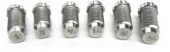
1-2 weeks delivery time The Max Prop M10 adjusting bolt with a 22° angle supports accurate and dependable adjustment for spinners E78, E85, and E90, crafted from corrosion-resistant stainless steel.
|
$ 49.28
-
+
| ||
|
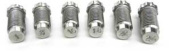
1-2 weeks delivery time The Max Prop M10 adjusting bolt with a 24° angle provides precise adjustment for E78, E85, and E90 spinners, ensuring smooth operation and made from durable stainless steel.
|
$ 49.28
-
+
| ||
|
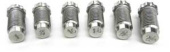
1-2 weeks delivery time The Max Prop adjusting bolt M12 with a 16° angle is designed for larger spinners E99 and E101, offering stable and accurate pitch adjustment in stainless steel construction for marine environments.
|
$ 61.62
-
+
| ||
|
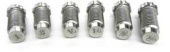
1-2 weeks delivery time The Max Prop M12 adjusting bolt with an 18° angle ensures precise and reliable adjustment for spinner models E99 and E101, made from stainless steel and resistant to marine corrosion.
|
$ 61.62
-
+
| ||
|
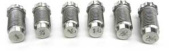
1-2 weeks delivery time The Max Prop M12 adjusting bolt with a 20° angle delivers precise control for propeller adjustment on E99 and E101 spinners, made from durable stainless steel for long service life.
|
$ 61.62
-
+
| ||
|
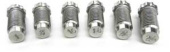
1-2 weeks delivery time The Max Prop M12 adjusting bolt with a 22° angle provides dependable and accurate adjustment for E99 and E101 spinners, suitable for maintenance and made from stainless steel.
|
$ 61.62
-
+
| ||
|
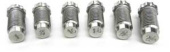
1-2 weeks delivery time The Max Prop M12 adjusting bolt with a 24° angle supports precise propeller pitch settings for E99 and E101 spinners, ensuring smooth operation with strong stainless steel construction.
|
$ 61.62
-
+
| ||
|
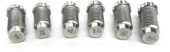
1-2 weeks delivery time The Max Prop adjusting bolt M14 with a 16° angle is made for larger spinners E111 and E120, offering stable and accurate pitch adjustment in stainless steel.
|
$ 102.69
-
+
| ||
|
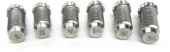
1-2 weeks delivery time The Max Prop M14 adjusting bolt with an 18° angle ensures precise and reliable adjustment for heavy-duty spinners E111 and E120, built from durable stainless steel for marine use.
|
$ 102.69
-
+
| ||
|
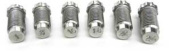
1-2 weeks delivery time The Max Prop M14 adjusting bolt with a 20° angle provides stable and accurate pitch adjustment for large spinner models E111 and E120, constructed from corrosion-resistant stainless steel.
|
$ 102.69
-
+
| ||
|
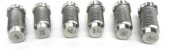
1-2 weeks delivery time The Max Prop M14 adjusting bolt with a 22° angle delivers dependable and precise adjustment for spinners E111 and E120, designed for long service life in marine conditions.
|
$ 102.69
-
+
| ||
|
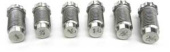
1-2 weeks delivery time The Max Prop M14 adjusting bolt with a 24° angle provides precise pitch control for larger spinners E111 and E120, made from stainless steel and suitable for harsh marine environments.
|
$ 102.69
-
+
| ||
|
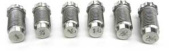
1-2 weeks delivery time The Max Prop adjusting bolt M16 with a 16° angle is engineered for heavy-duty spinner E129, offering accurate and stable pitch adjustment with high-strength stainless steel construction.
|
$ 172.50
-
+
| ||
|
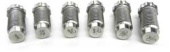
1-2 weeks delivery time The Max Prop adjusting bolt M16 with an 18° angle is made for spinner E129, providing precise and reliable pitch adjustment with durable stainless steel construction suitable for long-term marine use.
|
$ 172.50
-
+
| ||
|
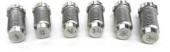
1-2 weeks delivery time The Max Prop M16 adjusting bolt with a 20° angle ensures accurate and dependable pitch control for spinner E129, built from strong stainless steel and designed for demanding marine conditions.
|
$ 172.50
-
+
| ||
|
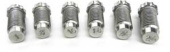
1-2 weeks delivery time The Max Prop adjusting bolt M16 with a 22° angle allows precise pitch adjustment for spinner E129, supporting smooth operation and reliable performance in marine environments.
|
$ 172.50
-
+
| ||
|
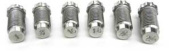
1-2 weeks delivery time The Max Prop M16 adjusting bolt with a 24° angle provides accurate and dependable adjustment for spinner E129, made from durable stainless steel and resistant to corrosion.
|
$ 172.50
-
+
| ||
|
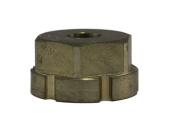
1-2 weeks delivery time The Max Prop NAB nut for hub Ø63 is designed for secure fastening of threaded hubs, ensuring safe and stable propeller installation in marine applications.
|
$ 61.14
-
+
| ||
|
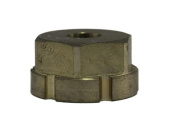
1-2 weeks delivery time The Max Prop NAB nut for hub Ø70 delivers a secure fit for threaded hubs, providing reliable performance and durability for Max Prop marine systems.
|
$ 73.35
-
+
| ||
What are the differences between inboard and outboard boat propellers?
Inboard and outboard boat propellers differ primarily in their placement and integration with the boat's engine. Inboard propellers are part of a system where the engine is mounted inside the boat, driving the propeller through a shaft that extends to the hull's exterior. This setup is commonly used in larger boats and offers better protection for the propeller. Outboard propellers, on the other hand, are attached to an outboard motor, which is mounted externally on the stern of the boat. This arrangement provides easier access for maintenance and replacement, and is typical for smaller boats and sailing vessels. Additionally, inboard propellers often require a more complex and protected installation, while outboard setups allow for greater flexibility and ease of handling.
When searching for boat props, it's important to find the right propeller for your boat to ensure optimal performance. We offer a wide range of boat propellers for sale, including performance propellers, sterndrive, and general propeller-GP models. Our inventory includes PowerTech propellers and custom inboard propellers, perfect for ski and wake boats. Our expert team can help you with any custom inboard propeller needs and provide replacement boat propellers. We strive to offer one of the largest selections of boat props at the lowest prices. Whether you're dealing with a bent prop shaft or need a duo blade powertech prop, we aim to provide consistent quality and fuel economy.
How do the materials used in inboard boat props and shaft affect their performance and durability?
The materials used in boat propellers significantly influence their performance and durability. Bronze propellers, commonly used in many inboard applications, offer excellent corrosion resistance and durability, making them suitable for long-term use in saltwater environments. Stainless steel propellers, on the other hand, provide a stronger alternative with greater impact resistance and less flex under load, enhancing performance by maintaining more precise blade shape at higher speeds.
Both materials ensure that the propellers can withstand the harsh marine environment while supporting the specific performance requirements of different types of boats, from sailing vessels to motor-driven crafts.
What is the impact of inboard propellers blade count on a boat’s maneuverability and thrust?
The number of blades on a boat propeller plays a crucial role in determining the boat's maneuverability and thrust. Generally, a propeller with more blades, such as a four or five-blade propeller, provides smoother operation and better traction in the water, which enhances maneuverability at lower speeds and in tight conditions. Fewer blades, like those on a three-blade propeller, typically generate greater top speed and are more efficient, making them ideal for faster inboard and outboard boats. The choice of blade count should align with the boat's intended use and performance goals, whether it's for leisurely sailing or high-speed boating, ensuring optimal propulsion and handling characteristics.
Find the ideal setup for your boating style in our complete range of Outboard Propellers.
What are the basics of inboard boat propellers and how do they differ from other types?
| Aspect | Inboard Propeller System | Other Propulsion Types (Outboard, Sterndrive) |
|---|---|---|
| Engine Location | Mounted centrally inside the hull, forward of the transom. | Engine or drive unit is attached to or through the transom. |
| Propeller Drive | Fixed propeller shaft connected directly to the transmission. | Propeller is on a vertical driveshaft or integrated lower unit. |
| Steering Mechanism | Rudder directs water flow from the propeller for directional change. | The entire motor or drive unit swivels to change thrust vector. |
| Efficiency & Vibration | Long, straight shaft alignment promotes smooth, efficient power transfer. | Universal joints or gears in lower units can absorb more energy. |
| Typical Hull Suitability | Common on larger sailboats, trawlers, cruisers, and workboats. | Dominant on smaller recreational powerboats and runabouts. |
How does choosing between a 3-blade and 4-blade propeller affect performance and fuel efficiency?
A 3 blade propeller often provides a slight edge in top speed and maximum efficiency for lightweight, faster hulls. In contrast, a 4 blade propeller typically offers superior low-speed thrust, smoother operation, and better cruise efficiency for heavier vessels, trading a bit of peak speed for improved grip and handling.
What do diameter and pitch mean when selecting the right inboard propeller?
Diameter is the circle described by the blade tips, governing thrust and load capacity. Pitch is the theoretical forward travel per revolution, dictating speed and engine load.
Together, they define the right prop for your engine and hull:
- A larger diameter increases low-end thrust.
- More pitch allows higher potential speed.
- Incorrect combinations cause over or under-revving.
How does the bore size influence the fit and balance of an inboard boat propeller?
The bore is the central hole that mates the propeller to the tapered shaft. An imprecise fit causes wobbling, vibration, and potential damage to the shaft or strut. A perfectly matched bore, often achieved through CNC machining by brands like Acme Marine, ensures concentric balance and secure keyway engagement for marine propulsion integrity.
Where can you find high-quality inboard propellers for sale from brands like Acme?
Specialist prop shops and major marine distributors maintain an extensive inventory of inboard units from leading manufacturers. Propellers are available directly from select boat builders or through authorized online retailers that cater to yacht and commercial operators. Brands like Michigan Wheel, OJ, and VEEM offer robust options in NiBral material known for its strength and corrosion resistance.