
Mast climbing gear is essential for sailors and riggers working at height. This equipment includes climbers, ascenders, and harnesses, designed to help individuals safely ascend and descend the mast. Using ropes, halyards, carabiners, and pulleys, sailors can reach the masthead or spreader with ease.
|
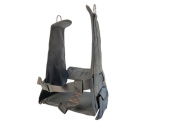
1-2 weeks delivery time The Trem Bosun's Chair 37x25cm is made specifically for yachts, featuring practical tool bags and a compact size for convenience.
|
$ 109.97
-
+
| ||
|
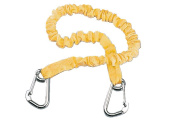
1-2 weeks delivery time The Trem Elastic Safety Line Type "ECO" stretches from 1 to 2 meters and comes with stainless steel carbine hooks, sold in packs of six, supports a breaking load of 2000 kg, and is not ISO approved.
|
$ 300.25
-
+
| ||
What is the purpose of a mast ascender in climbing gear?
A mast ascender is a key piece of climbing gear used to ascend a mast safely and efficiently. It attaches to the climbing line, allowing the climber to use their weight to move upward with minimal effort. The ascender works in conjunction with a climbing harness and foot ascender to help the climber reach the top of the mast, often used in solo mast climbing or when working aloft. It is particularly useful for sailors and yacht owners, enabling easy access to the mast for tasks like re-rigging or checking equipment.
What types of ropes are best suited for mast climbing and rope access?
The best ropes for mast climbing and rope access are typically static ropes, as they provide minimal stretch, ensuring stability and safety during climbs. These ropes offer reliable support for climbing the mast or rappelling. Additionally, ropes with a durable sheath are ideal for use with climbing gear like ascenders, chest harnesses, and foot ascenders, ensuring they withstand the wear and tear of mast climbing and rope access tasks.
What factors should be considered when choosing a climbing harness for mast climbing?
When choosing a climbing harness for mast climbing, it's important to consider comfort, fit, and adjustability, as you'll be wearing it for extended periods. Look for features such as gear loops for easy access to climbing equipment, a belay loop for secure attachment to the rope, and compatibility with ascenders, such as a foot or chest ascender. Additionally, ensure the harness is durable and designed for the specific requirements of mast climbing, providing support while working aloft, such as during solo climbs or when using a halyard or topclimber system.
When selecting a climbing harness for mast climbing, consider the compatibility with various climbing gear such as ascenders, rappel devices and jammer systems. If you're climbing solo or using a mast climber system, ensure the harness allows for hands-free movement, and is easy to use with gear like a foot ascender, knee ascender, or chest ascender. The harness should also provide proper support when using systems like the top climber or climbing the mast with a Prusik knot, ensuring you can safely maneuver around the mast or climb the mast ladder without leaving the chair.