
The PSS Marine Shaft Seal is a mechanical face seal designed to prevent water ingress in a vessel's propulsion system. Installed between the propeller shaft and the stern tube, it eliminates the need for traditional packing glands, reducing maintenance and preventing water from entering the bilge.
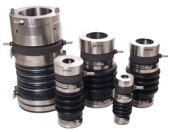
|
1-2 weeks delivery time This Allpa PSS Rubber Sleeve Reducer provides a reduction from 2-1/4" (Ø57.2mm) to 2" (Ø50.8mm), ensuring a tight and long-lasting seal between hoses.
|
$ 21.89
-
+
| ||
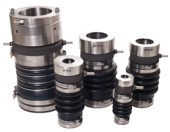
|
1-2 weeks delivery time Compact and reliable, the Allpa PSS Rubber Sleeve Reducer decreases hose diameter from 2" (Ø50.8mm) to 1-3/4" (Ø44.5mm), making it ideal for tight marine installations.
|
$ 29.97
-
+
| ||
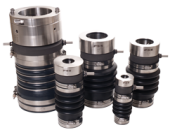
|
1-2 weeks delivery time The Allpa PSS Rubber Sleeve Reducer transitions from 3" (Ø76.2mm) to 2-3/4" (Ø69.9mm) with strong rubber construction for secure hose connections in demanding applications.
|
$ 24.99
-
+
| ||
How does the PSS marine shaft seal contribute to preventing water ingress in a vessel’s propulsion system?
The PSS shaft seal prevents water ingress in a vessel’s propulsion system by creating a watertight seal around the propeller shaft. The seal uses a self-aligning carbon-graphite stator, which ensures a perfect fit and compensates for misalignment or vibration. Installed as standard equipment by many reputable boat builders, the PSS dripless shaft seal eliminates the need for traditional packing glands, offering a maintenance-free solution that effectively prevents water from entering the bilge.
How is the shaft diameter determined when selecting a PSS dripless shaft seal?
The shaft diameter is determined when selecting a PSS dripless shaft seal by measuring the propeller shaft and ensuring the carbon flange is over-bored to match the shaft diameter. This allows the shaft to "float" within the seal, providing an optimal fit and compensating for any misalignment or vibration. The seal uses two O-rings around the shaft, ensuring a tight seal and preventing water from entering the vessel's propulsion system, thus eliminating the need for traditional packing gland maintenance.
What maintenance steps are necessary to keep the PSS shaft seal functioning optimally over time?
To maintain optimal performance of the PSS shaft seal, it's essential to regularly inspect and replace components as needed. The bellows should be replaced every six years, and during this process, it's advisable to also replace the O-rings and set screws in the stainless steel rotor, as well as the hose clamps. This routine maintenance ensures the longevity and effectiveness of the shaft seal, contributing to the overall reliability of the vessel's propulsion system.