
Marine binoculars are specialized optical tools designed for use in nautical environments, offering clear visibility and enhanced navigation. With features like a built-in rangefinder and illuminated compass, these binoculars help sailors and boaters gauge distances and maintain their course. Popular models like the 10x50 and 7x50 offer precision optics and a durable, waterproof construction, ensuring performance in challenging conditions. Ideal for navigation, wildlife observation, and outdoor adventures, marine binoculars are built to withstand motion and wet environments.
|
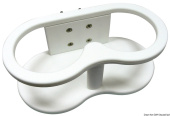
1-2 weeks delivery time Osculati 26.740.00 Boat Binocular Holder is made of UV-stable white polyethylene. Supports bulkhead mounting or fixation on 22–25 mm rail tubes using the included clamp. Dimensions: 230×120×85 mm. Marine practical storage for professional and leisure boats.
|
$ 42.81
-
+
| ||
|
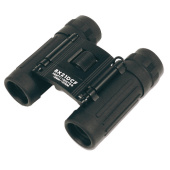
1-2 weeks delivery time The Plastimo Mini 8x21 Topomarine (1045070) marine binoculars deliver 7x magnification with 21 mm fully coated lenses and BK7 prism glass for sharp, high-contrast observation. The shock-proof folding body with non-slip rubber texture allows secure wet-deck handling, and sprayproof water-repellent sealing (Ruissellement) protects from splashes and humidity. Central focus (Centrale) ensures fast sharpness tuning, while fold-down rubber eyecups provide optimized eye relief for use with glasses or sunglasses. Includes protective bag and strap.
|
$ 32.37
-
+
| ||
|
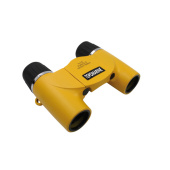
1-2 weeks delivery time The Plastimo Pocket 7x18 (1045061) marine binoculars provide 7x magnification with 18 mm fully coated lenses and BAK-7 prisms for sharp, high-contrast waterfront scanning. Fully waterproof with immersion sealing class, shock-proof foldable body. Includes bag, strap, lens caps and manual.
|
$ 60.30
-
+
| ||
|
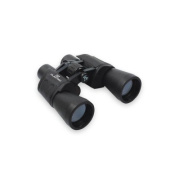
1-2 weeks delivery time The Plastimo 7x50 Topomarine Alpha RC (1045000) marine binoculars provide 7x magnification with a 50 mm multi-coated objective for clear marine observation. The sprayproof sealed body, shock-proof soft-touch rubber texture, and BAK-7 prism optics ensure reliable handling on deck in glare, spray, and all-weather conditions. Field of view reaches 123 m / 123 m (wide scanning), with directional central focus for fast target acquisition.
|
$ 74.77
-
+
| ||
|
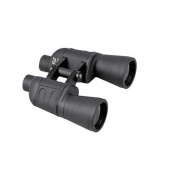
1-2 weeks delivery time The Plastimo 7x50 Autofocus (40561) marine binoculars deliver 7x magnification with 50 mm multi-coated objectives for bright, high-contrast scanning on water. The sealed sprayproof body is shock-proof and rubber-armored with a non-slip, glove-friendly soft-touch grip for wet-deck handling. Built-in autofocus oculars ensure instant sharp image on moving targets without manual refocus. Uses BAK-7 lens optics and BAK-4 prisms for improved clarity in this class. Includes UV-resistant white PVC case and high-visibility yellow flotation strap for overboard marking and recovery.
|
$ 98.33
-
+
| ||
|
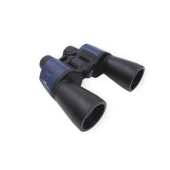
1-2 weeks delivery time The Plastimo 7x50 Amiral RC Waterproof (1045030) marine binoculars deliver 7x magnification with 50 mm multi-coated lenses and BAK-4 prisms for sharp, high-resolution viewing. Fully waterproof for immersion sealing class, shock-proof, foldable and protected by rubber soft-touch armor with non-slip grip. Rubber fold-down eyecups provide optimized eye relief for prescription and sunglasses wearers. Includes a carrying case, neck strap, cleaning cloth, and cleaning cloth.
|
$ 199.41
-
+
| ||
|
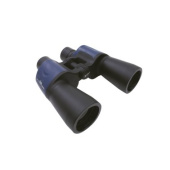
1-2 weeks delivery time The Plastimo 7x50 Amiral FX (1045025) marine binoculars deliver 7x magnification and a 50 mm multi-coated objective for bright, high-contrast marine scanning. Fully waterproof with immersion sealing class, shock-proof folding body, and soft non-slip rubber sheath for secure deck grip, even wet or gloved. Integrated central focus enables fast target clarity, while fold-down rubber eyecups support comfortable eye-relief for glasses or sunglasses wearers. Includes carrying case, neck strap, cleaning cloth and lens caps.
|
$ 206.33
-
+
| ||
|
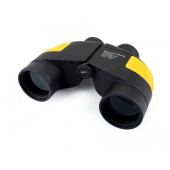
1-2 weeks delivery time The Plastimo 7x50 Rescue (1045039) marine binoculars deliver 7x magnification with sealed 50 mm multi-coated optics and BAK-4 prisms for sharp, high-contrast scanning. Fully waterproof to Immersion sealed class, shock-proof, floating, and rubber-armored with a non-slip ergonomic grip. Ocular focus (Oculaire) supports fast per-eye diopter calibration, while fold-down rubber eyecups enable comfortable use with glasses or sunglasses. Includes case, neck/safety strap, cleaning cloth and lens caps.
|
$ 245.10
-
+
| ||
|
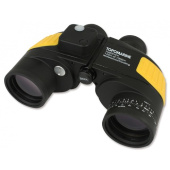
1-2 weeks delivery time The Plastimo 7x50 Rescue with Compass (1045038) marine binoculars offer 7x magnification and 50 mm multi-coated objectives with BAK-4 prisms for bright, sharp image on water in glare and dusk. Fully waterproof, immersion-sealed, shock-proof with non-slip rubber armor and fold-down eyecups for glasses. Built-in illuminated compass runs on batteries, accurate in 40°–60° North latitude. Includes case, flotation strap, cloth, caps and manual.
|
$ 275.56
-
+
| ||
|
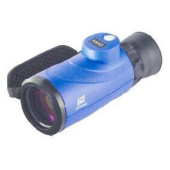
1-2 weeks delivery time The Plastimo 8x42 Marine Monocular (61380) delivers 8x magnification with a 42 mm fully multi-coated objective and BAK-7 roof prism for sharp, high-contrast image in glare, spray and twilight viewing. Integrated compass and optical rangefinder module support object size estimation at distance. The body is shock-proof, foldable and sealed to immersion waterproof class, with textured non-slip rubber sheath for secure wet-deck or glove handling, plus fold-down eyecup for use with glasses or sunglasses.
|
$ 187.44
-
+
| ||
|
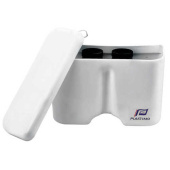
1-2 weeks delivery time The Plastimo Protection Case for 7x50 binoculars (31356) is made from durable white PVC designed for marine storage and transport. The material is UV-resistant for long-term sun exposure on water, splash-resistant, lightweight, and sized to fit 7×50 binocular format securely. Physical parameters: 228 mm height, 225 mm width, soft folding protective housing for everyday use on boats and outdoor marine activities. Supplied as a standalone binoculars protection case.
|
$ 95.17
-
+
| ||
|
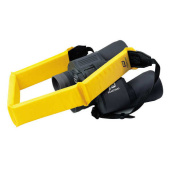
1-2 weeks delivery time The Plastimo Floating Strap for Binoculars (31248) is a buoyant foam-cushioned neck strap designed for quick overboard location and recovery of marine binoculars. The flotation core keeps the instrument on the surface if dropped in water, while the high-visibility yellow strap marks its position for fast retrieval. Lightweight, water-safe, and suitable for continuous marine use.
|
$ 25.50
-
+
| ||
|
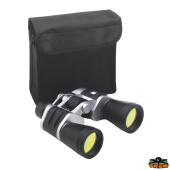
1-2 weeks delivery time The Trem 10x50 (L2910050) marine binoculars deliver 10x magnification with 50 mm coated objectives for bright, high-contrast observation on water. The housing is rubber-armored in black for shock and spray deck use with non-slip grip in wet or glove conditions. Includes shoulder strap and a carry case for secure transport. Physical parameters: 0.55 kg weight (550 g), 50 mm lens Ø, fixed marine-ready optical alignment for long-range scanning.
|
$ 64.31
-
+
| ||
|
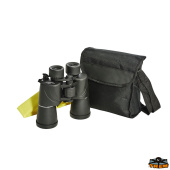
1-2 weeks delivery time The Trem 7x50 Autofocus Marine Binoculars (L2960177) provide 7x magnification with 50 mm fully multi-coated BK-7 objectives and BK-7 prisms for sharp, high-contrast maritime scanning in glare, spray and dusk. The automatic focus maintains clarity from a 12 m minimum viewing distance. The shock-proof black rubber-armored body ensures secure grip with wet hands or gloves. Key physical parameters: 0.960 kg, 200×200×80 mm (80 mm height), 115.3 m field of view at 1000 m (6.6°). Includes shoulder strap and carrying case.
|
$ 73.55
-
+
| ||
|
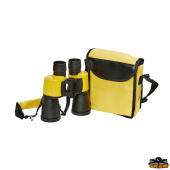
1-2 weeks delivery time The Trem 7x50 Professional Autofocus (L2960084) feature 7x magnification, 50 mm ruby anti-reflective multi-coated optics and BAK-4 prism system for high-contrast marine scanning in glare, spray and dusk. The fully waterproof, shock-safe black rubberized casing ensures a secure grip with gloves or wet hands. Autofocus maintains clarity from 12 m. Key physicals: 1 kg, 220×210×85 mm (85 mm height), 116 m field of view at 1000 m.
|
$ 176.15
-
+
| ||
|
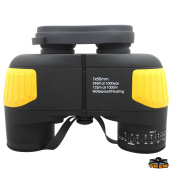
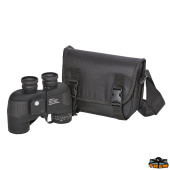
1-2 weeks delivery time The Trem 7x50 Professional Autofocus (L2960050) marine binoculars deliver 7x magnification and 50 mm objectives with anti-reflective Ruby multi-coating and BaK-4 optics class for high-contrast observation in glare, spray and dusk. Fully waterproof to immersion class, shock-protected, floating, rubber-armored (black/yellow, non-slip grip) with a 132 m field of view at 1000 m. Automatic focus is sharp from 12 m minimum viewing distance. Includes strap and case. Size/weight: 220×240×110 mm, 1.2 kg.
|
$ 226.76
-
+
| ||
|
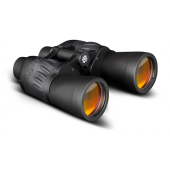
1-2 weeks delivery time The Trem 7x50 Professional (L2960055) marine binoculars provide 7x magnification, 50 mm Ruby multi-coated objectives and BaK-4 prisms for high-contrast scan in glare, spray and dusk. Fully waterproof Immersion-sealed, nitrogen-filled, fog-free barrels, shock-safe black/yellow rubber armor with non-slip, glove-friendly grip. Dual focus: Auto Autofocus from 12 m + ocular diopters. Rangefinding reticle for distance/size reference. Compass optimized for 40°–60° N latitude. Specs: 220×240×110 mm, 1.39 kg, 132 m FOV @1000 m.
|
$ 281.41
-
+
| ||
|
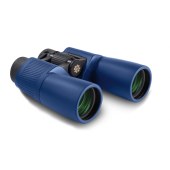
1-2 weeks delivery time The Talamex 95100199 7x50 Deluxe Marine-Ready Binocular provides 7× magnification with Ø50 mm objectives and BaK-4 Porro prisms for stable, bright on-water viewing. Sealed nitrogen optics resist fogging and condensation. Rubber-armored housing improves shock and humidity protection and non-slip handling. FOV 124 m@1000 m (≈7.3°), exit pupil ≈7 mm, eye relief ~20 mm class for glasses. Weight ~1025 g. Includes pouch, neck strap, float strap, covers, cloth, and manual.
|
$ 108.63
-
+
| ||
|
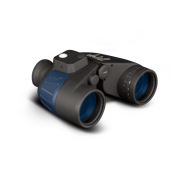
1-2 weeks delivery time The Konus 5302310 FNI 7x50 Abyss Marine Binocular offers 7× magnification, Ø50 mm objectives and BaK-4 Porro prisms for stable, high-illumination marine imaging. Nitrogen-filled sealed optics resist fogging and condensation in humid or splash conditions. Dark-green lens treatment improves contrast and side-light control. Shock-proof rubber armor protects from impacts, vibration and slip. Field of view 123 m @1000 m (≈7.3°), eye relief ~20 mm class for glasses. Weight 868 g. Includes case, neck and floating straps, lens covers, cloth, desiccant and manual.
|
$ 220.76
-
+
| ||
|
1-2 weeks delivery time The Konus Tornado 7x50 (5302320 FNI) provides 7× magnification, Ø50 mm objectives and BaK-4 Porro prisms for stable marine images with high light transmission. Sealed nitrogen optics prevent fogging and internal condensation in humid or splash environments. Rubber armouring protects from impact, vibration and slip. Includes dioptre adjustment per ocular and singular central or ocular focus adjust. Field of view 123 m @1000 m (≈7.3°). Weight ~890 g. Supplied with case, neck and floating straps, lens covers and manual.
|
$ 405.05
-
+
| ||
How do marine binoculars differ from standard binoculars in terms of waterproofing and durability?
Marine binoculars differ from standard binoculars primarily in their waterproofing and enhanced durability, designed to withstand the harsh conditions of nautical environments. This products are built with IPX7-rated waterproofing, ensuring they remain functional even when submerged in water. Additionally, marine binoculars often feature rugged, non-slip grips, multi-coated optics for crystal-clear vision, and built-in navigational tools like a rangefinder and compass, making them ideal for boating and outdoor activities.
What role does the internal rangefinder and illuminated compass play in marine navigation?
The internal rangefinder in marine binoculars helps sailors accurately measure distances, which is crucial for navigation and hunting. The illuminated compass provides clear directional guidance, even in low-light conditions, ensuring that customers can navigate confidently on small or large vessels. This equipment is especially useful for military or professional use, offering reliable results in various marine environments.
Why are fully multi-coated optics important for binoculars used in variable sea conditions?
Fully multi-coated optics are essential for binoculars used in variable sea conditions because they maximize light transmission, providing a clearer and brighter image even in low-light environments. This ensures a better viewing experience for users, enhancing visibility during cloudy weather or at dusk. With a good selection of fully multi-coated models available, you can always find the right product to meet your specific needs.
What makes 7x50 marine binoculars ideal for boating and maritime use?
The supremacy of the 7x50 configuration in maritime optics is not an accident but a deliberate convergence of human physiology and the physical demands of the seascape. This specific pairing of numbers represents a calculated balance, where the 7x magnification offers enough detail to identify distant navigation aids or vessels without exaggerating the inherent pitch and roll of a moving deck into a nauseating blur. The companion figure, the 50mm objective lens, acts as a wide aperture, gathering available light with remarkable efficiency to combat the low-contrast gloom of fog, dawn, or dusk. Together, these elements forge a large exit pupil—a broad, generous cylinder of light that flows effortlessly into the mariner's own dark-adapted pupil, enabling extended observation sessions with minimal fatigue. This fundamental alignment between instrument and eye is the optical bedrock of effective maritime watchkeeping.
The physical form of these 7x50 marine binoculars, often substantial and rubber-armored, provides a secure, confident grip even when hands are wet or the boat is heeled over. Their traditional design, frequently employing robust Porro prisms, facilitates a wider field of view than many compact alternatives, allowing for easier scanning of the horizon and quicker acquisition of targets. While advanced stabilized binoculars exist, the 7x50 provides a form of passive stability through its ergonomic and optical design, forgiving minor tremors and boat motion. For the sailor, this translates to a trusted tool that delivers a consistently bright image, situational awareness, and reliable performance without relying on batteries or complex mechanisms. It is a timeless formula that prioritizes optical certainty and user confidence over technological complexity, cementing its status as the enduring benchmark for serious marine use.
How do Porro prism binoculars compare to roof prism designs for marine viewing?
When choosing between prism types for a marine environment, the distinction directly influences handling and optical character. Traditional Porro prism binoculars often deliver a more three-dimensional image perception and can offer a wider field of view for scanning, which is advantageous from the deck of a moving ship. In contrast, modern roof prism designs are inherently more compact and streamlined, making them easier to grip securely with wet hands and store in confined helm spaces. The straight-through barrel design of roof prisms also allows for more effective internal sealing with nitrogen, a key factor for guaranteed fog-proof performance in humid conditions. For the user, this translates to a practical choice: Porro Prism prioritizes a classic, immersive view and often presents a cost-effective entry point. Roof Prism favors a rugged, ergonomic form that excels in durability and everyday handling ease. Roof prism housings are typically simpler to make completely waterproof. The slimmer roof prism shape is less likely to catch on gear and is more balanced for one-handed use.
Are floating binoculars worth it for safety on the water?
Investing in binoculars that float is a definitive step toward transforming a valuable tool into a reliable safety asset on unpredictable water. The immediate benefit is the prevention of total loss; a momentary fumble over the side or a drop from a dinghy does not result in your optics sinking into the depths. This feature is typically achieved through purposefully buoyant materials and sealed air chambers within the housing, without compromising optical alignment. Beyond salvage, the high-visibility colors often used for these models create a stark visual marker against the water, speeding up recovery. For any mariner, this functional safeguard provides tangible peace of mind: Asset Protection secures your financial investment against accidental drops. Operational Readiness ensures your primary viewing tool remains available, not lost. Safety Signal means bright-colored floating binos can serve as a temporary marker or distress aid. Psychological Ease reduces anxiety when using optics near the rail in rough conditions.
How does the Steiner Navigator Pro differ from other best marine binoculars?
The Steiner Navigator Pro carves its distinct niche by functioning not merely as an optical device but as an integrated navigation node, engineered for rapid decision-making in a dynamic maritime environment. Its most defining divergence is the integrated compass, a luminescent ring that is perpetually visible within the right eyepiece, allowing for instantaneous bearing capture without the user ever glancing away from their target—a stark contrast to models where compass data is secondary or digital. This is powered by Steiner's proprietary AutoFocus system, which maintains a continuous depth of field from approximately twenty meters to infinity, eliminating the constant need to refocus when sighting objects at varying ranges and enabling a faster reaction time. This fusion of always-available directional data and constant focus creates a uniquely streamlined workflow for the navigator. The build philosophy is unequivocally rugged, with a hard rubber armor and a chassis purged with dry nitrogen, ensuring it can withstand the persistent salt spray and physical knocks of offshore passagemaking.
Unlike many best binoculars that strive for general-purpose excellence, the Navigator Pro is a purpose-built instrument whose design sacrifices some field of view and traditional focusing for supreme speed and utility in its specific role. Its optics are treated with Steiner's signature deep-blue lens coating, which selectively filters out hazier wavelengths of light to enhance contrast over open water, making distant objects like channel markers or other vessels "pop" against a grey seascape. For a mariner actively plotting a position fix or monitoring traffic, it reduces a multi-step process—locate, focus, then find a separate compass—into a single, fluid action. It is, therefore, less a passive viewing tool and more an active bridge instrument, justifying its position among specialized Steiner marine binoculars for those who value operational speed and navigational data above all else.
What level of magnification is best for stable viewing on a moving boat?
| Magnification (x) | Stability Profile | Recommended Use Case | Key Consideration |
|---|---|---|---|
| 7x | High Nautical Steadiness | General scanning, wildlife observation in coastal waters | Maximizes field of view and light entry, forgiving of vessel motion. |
| 8x | Balanced Sea-Holding | Extended viewing of landmarks or other boats in moderate seas | Offers a middle path between detail and image shake reduction. |
| 10x | Demanding on the Waves | Identifying distant channel markers or structures in calm conditions | Requires practiced breathing technique or a stabilized platform for clear viewing. |
| 12x and above | Challenging Aquatic Stability | Specialized, tripod-mounted use on a stationary or very slow-moving vessel | Amplifies every micro-movement of the boat, often impractical for handheld use. |
How do Fujinon Mariner binoculars perform in low light conditions?
Fujinon Mariner models, particularly their 7x50 variants, are engineered to excel during the challenging low-light periods that define maritime dawns, dusks, and overcast days. This superior performance stems from exceptionally high light transmission, achieved through premium ED glass elements and proprietary multi-layer coatings that minimize internal reflection and scatter. The result is a view with outstanding contrast and clarity where other binoculars might render a muddy, gray image, allowing you to distinguish a navigational buoy or a shoreline detail with greater certainty. This optical excellence, combined with the ideal exit pupil size of the 7x50 format, makes them a trusted choice for serious offshore navigation. Light Capture means superior lens and coating technology pulls in maximum available light. Image Integrity maintains color fidelity and contrast when illumination is poor. Pupil Match ensures the large exit pupil seamlessly matches the eye's dilated aperture in darkness. Reduced Fatigue means a bright, clean image lessens eye strain during prolonged night watches.
Are compact waterproof binoculars suitable for boating trips?
For operators of small craft, kayakers, or those enjoying daytime excursions on sheltered bays and rivers, these models offer an exceptionally practical and space-efficient optical solution. Their foremost virtue is unrivaled portability and convenience; they can be effortlessly stowed in a jacket pocket, a dedicated pouch on a life vest, or within a crowded console compartment, guaranteeing they are instantly accessible for identifying a channel marker or observing coastal birds. This logistical advantage means they are more likely to be actually used during an impromptu moment than a bulkier pair left securely in a cabin. However, this compact form factor necessitates a fundamental optical compromise: the reduced objective lens diameter acts as a smaller window, inherently limiting the volume of light it can capture. This physical constraint manifests most clearly during the critical low-light periods of dawn or dusk, or when squinting through a curtain of rain, where the image will appear notably dimmer and flatter compared to the luminous view provided by full-sized 7x50 marine binoculars.
Consequently, their ideal application is firmly anchored in fair-weather, daytime use where maximum portability and "always-at-hand" readiness are deemed more valuable than ultimate optical performance. They represent a conscious and calculated trade-off—opting for constant availability and minimal burden while accepting limitations at the edges of daylight. Storage and Accessibility: Their minimal footprint makes them ideal for cramped cockpits, paddlecraft, or as a readily deployable secondary pair of binoculars when a primary, larger glass is also aboard. Daylight Fidelity: Under ample sunshine, they provide completely sufficient clarity, sharpness, and color rendition for general navigation and sightseeing purposes. Low-Light Constraint: The smaller optics struggle to gather enough photons to deliver a truly bright image in deep twilight, heavy overcast conditions, or at night, reducing their utility. Philosophical Compromise: Ultimately, choosing a compact model is an acceptance of this balanced equation: superior convenience and carry-anywhere versatility in exchange for a narrower performance envelope in challenging light.
What features define a good pair of marine binoculars for beginners?
For a newcomer to the helm, the ideal first pair of binoculars should act as a transparent window to the sea, emphasizing intuitive operation, resilient construction, and forgiving optics to build confidence from the very first use. The absolute non-negotiable feature is guaranteed waterproof and fog-proof integrity, achieved through meticulous O-ring sealing and nitrogen purging, as the marine atmosphere is relentlessly hostile to any unprotected optical interior. A modest 7x or 8x magnification is highly advisable, as it provides a generous, stable field of view that minimizes the disorienting effects of boat motion and unsteady hands, making initial tracking of objects far less frustrating. Generous eye relief—the distance between the eyepiece lens and your eye—is critical for comfortable viewing, especially for those who wear prescription glasses or sunglasses, preventing a cramped, tunnel-vision effect. The primary goal is to eliminate technical hurdles, allowing the beginner to focus entirely on the scene ahead, not on operating the device.
A smooth, centrally located focus wheel, paired with a simple diopter adjustment ring to compensate for differences between the user's eyes, allows for quick and precise tuning without confusion. The chassis should inspire confidence through a solid, balanced feel and a textured rubber armor that provides a secure grip in all weather conditions, reassuring against accidental slips. While features like a built-in compass are valuable, they can add cost and complexity; a beginner's model should first master the core competencies of delivering a bright image, ease of use, and durability. Ultimately, this foundational set of binoculars should feel like a natural extension of the user's senses, reliable in its simplicity and robust enough to withstand the learning curve of life on the water, thereby fostering both skill and enjoyment from the outset.