
A boat stove is an essential galley appliance designed for cooking onboard, offering options such as propane, butane, diesel, and electric models.
|
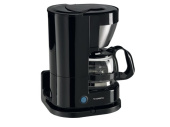
1-2 weeks delivery time The Dometic MC054 Coffee Maker also brews up to 5 cups (625 ml) and shares the same features as the MC052 but is tailored for a 24V power supply. It includes a swivel filter, transport lock, thermostat hotplate, and mounting fixing kit. The unit is black and silver, weighs 1.1 kg, and runs on 12V at 170W or 24V at 300W.
|
$ 117.40
-
+
| ||
|
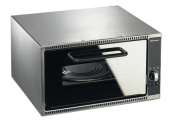
1-2 weeks delivery time The Dometic OG 2000 Built-In Oven with Grill operates on 12V DC and includes a thermostat, electronic ignition, indoor lighting, and a safety-lock layered glass door. It offers a 20-liter oven capacity and features a smoke drain connection, weighing 13.2 kg.
|
$ 1,612.79
-
+
| ||
|
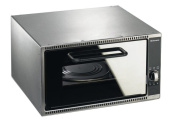
1-2 weeks delivery time The Dometic OG 3000 Built-In Oven is a versatile 12V DC oven with grill and barbecue functions, thermostat control, electronic ignition, and indoor lighting. It has a 30-liter oven capacity, weighs 19.5 kg, and includes a rotating carousel and safety-lock glass door.
|
$ 1,744.85
-
+
| ||
What are the key differences between propane and butane boat stoves?
Propane and butane boat stoves differ mainly in their fuel performance and usability in varying temperatures. Propane gas stoves are preferred for marine environments because propane remains efficient even in colder temperatures, making it suitable for year-round sailing. Butane fuel, often used in portable stoves and cooktops, burns cleaner but is less effective in cold conditions, making it a better option for fair-weather cruising or as a backup cooking solution.
Propane and butane stoves are available in a variety of marine stove designs, including built-in and gimbal-mounted options, which ensure stability while cooking onboard. Many marine stoves feature electric ignition systems, adjustable burner output, and durable stainless steel construction for long-term use in demanding conditions. Whether selecting a drop-in cooktop, a full-range propane stove, or a compact single-burner option, boaters can choose between high-pressure and low-pressure fuel systems to match their specific cooking needs.
What are the key differences between a 2-burner propane stove and a 3-burner propane gas cooktop?
A 2-burner propane stove is a compact option ideal for smaller sailboats and galleys, providing efficient cooking while conserving space. In contrast, a 3-burner propane gas cooktop offers greater cooking capacity and flexibility, making it more suitable for larger vessels or those requiring multiple heat sources simultaneously. Both options typically feature electronic ignition, gimbal mounts for stability, and precise temperature control, but a 3-burner model allows for a more versatile cooking experience.
What is the function of a thermocouple in a marine propane gas stove?
A thermocouple in a marine propane gas stove serves as a safety device that prevents gas leaks by shutting off the gas supply if the flame goes out. This is especially important in sailboat stoves and gimbaled cooktops, where movement from waves can extinguish the burner. Thermocouple ensures safe combustion and reliable operation by detecting heat and controlling the gas flow accordingly.